200mm
Increments
Build any closed shape any size
40mm
Top Profile
Precision-formed
Free
Standing
Optional bolt-down
Kit
Based
Any size or layout
Simple
Assembly
Hammer and driver
2
Heights
400, 560mm
Join thousands of successful installations
Proven Excellence
Designed to Stand Out. Built to Stay.

Paul Greenyer
Founder, InsideOut Home & Garden Improvements · Sussex
"We used Straightcurve extensively in our ‘Reflections’ garden, where its versatility helped us create bespoke construction details within a highly engineered build. Adaptable, straightforward to install once understood, and delivers a sharp, contemporary finish."
20+
Years in landscaping
5
APL Awards 2025
T.E.
Gardening company · UK
"Great experience with Straightcurve ordering and installing some custom size raised bed. We were given clear installation instructions and the team were on-hand to answer any questions we had."
5★
Trustpilot verified
Custom
Built to size
Anna Neal
DIY home gardener · UK
"Quick delivery, helpful emails before and after offering support and guidance. Product simple to use and set up. Did it all on my own."
5★
Trustpilot verified
Solo
DIY install
curated inspirations
Find Your Style
Click any garden to see the exact products used. Each curve tells a story
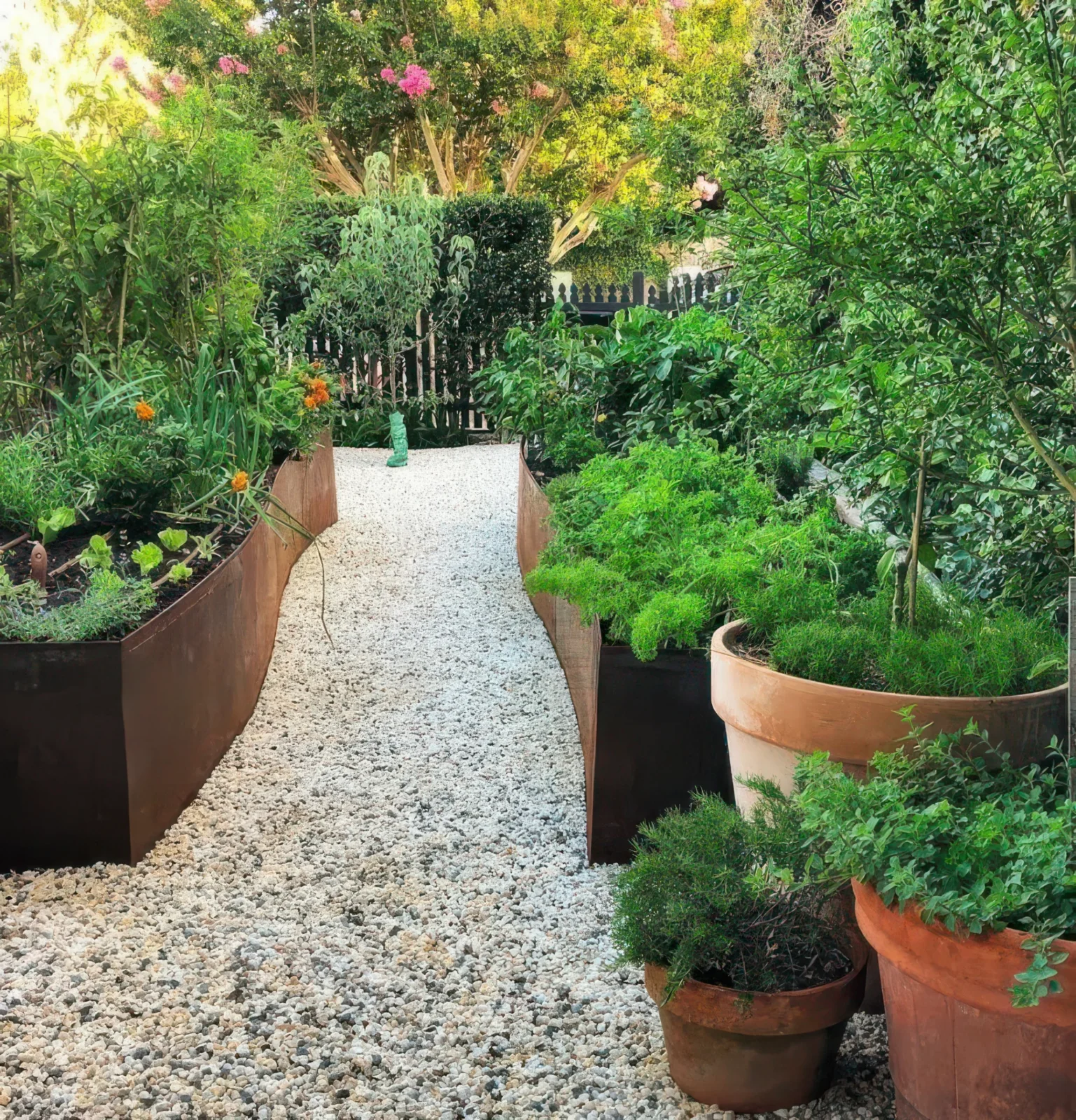
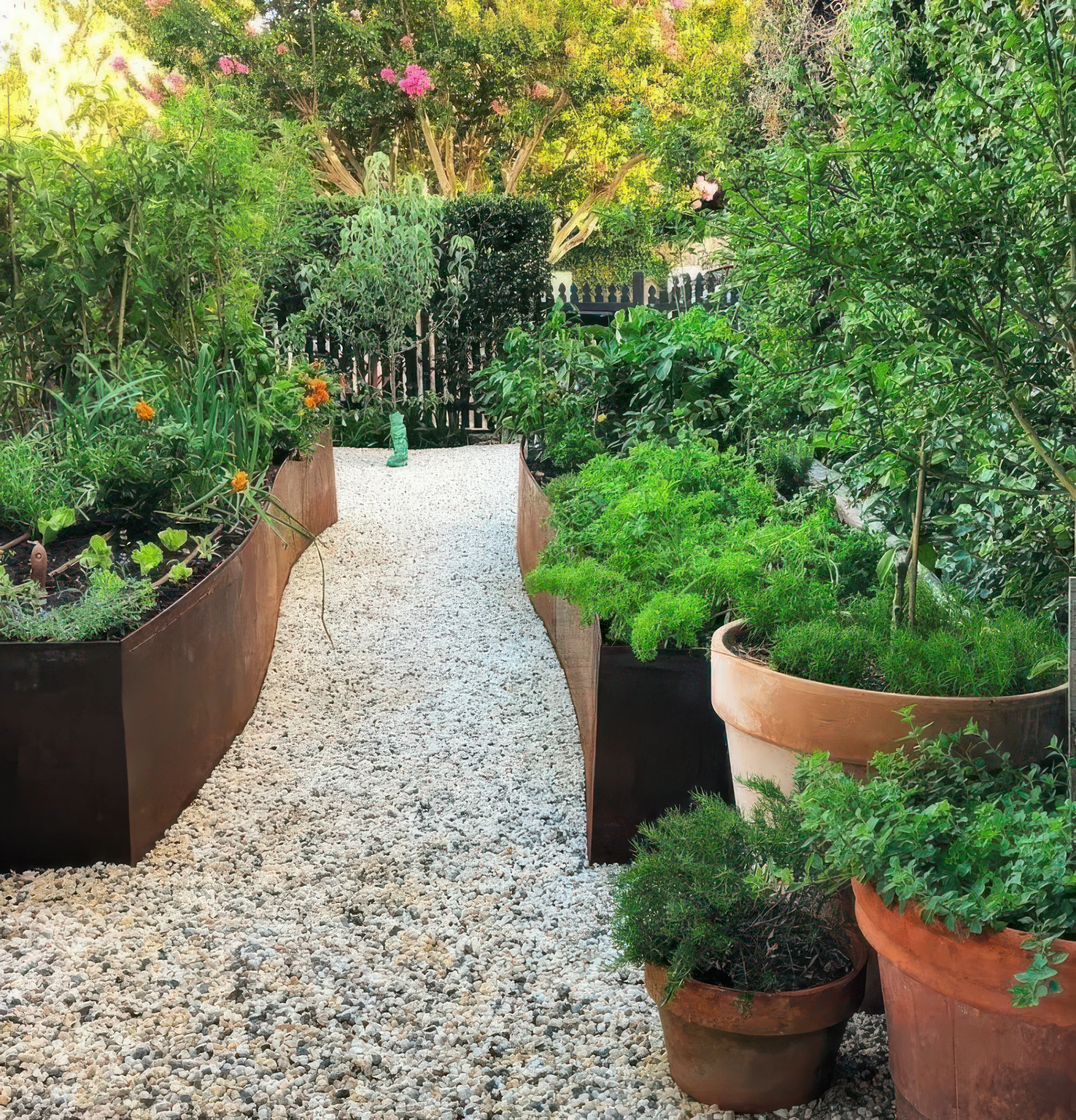
Hobart, TAS
2 years old
Kitchen Garden Path Between Weathering Steel Beds
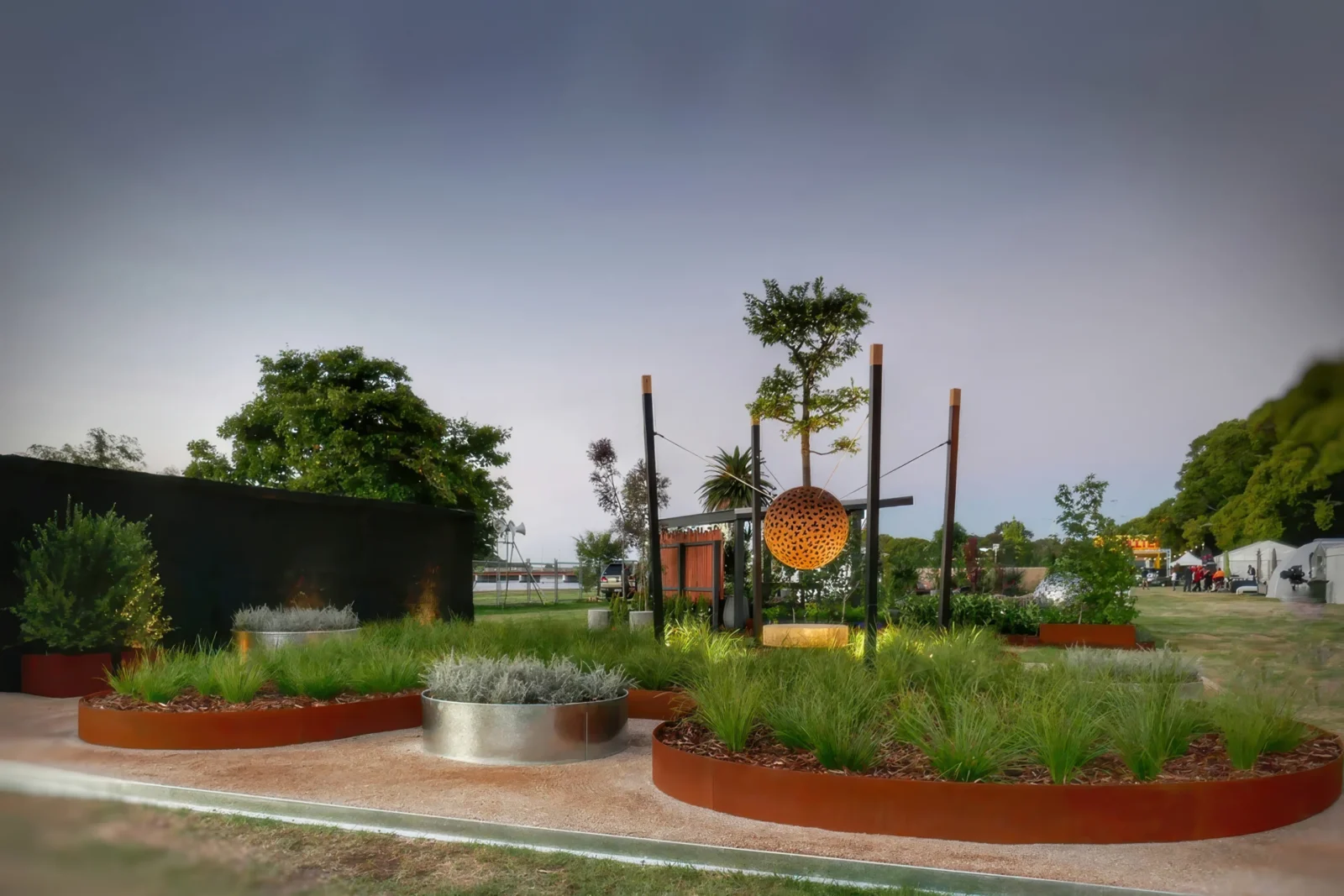
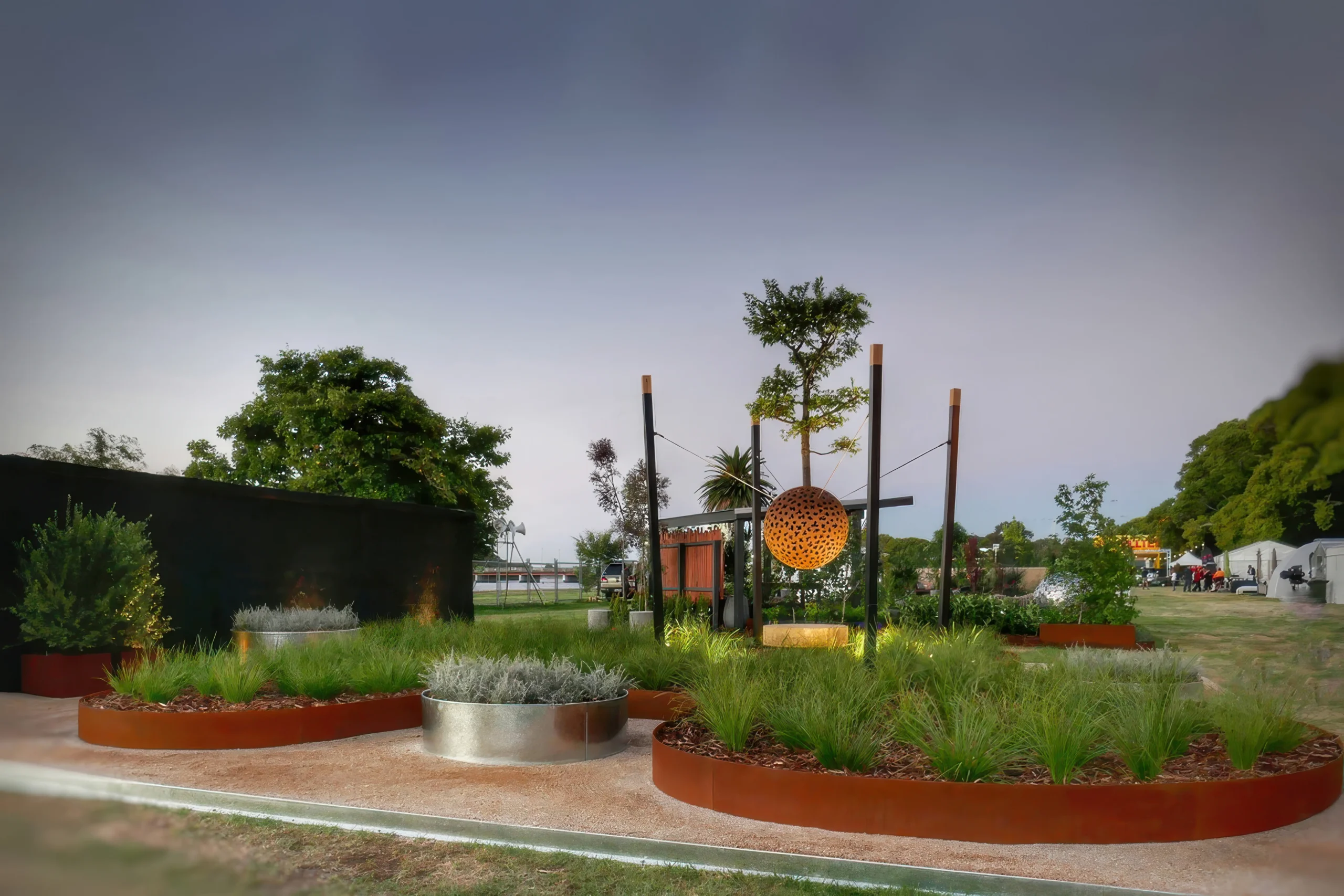
Melbourne, VIC
2 years old
Circular Galvanised Planters at a Show Garden
Blue Mountains, NSW
2 years old
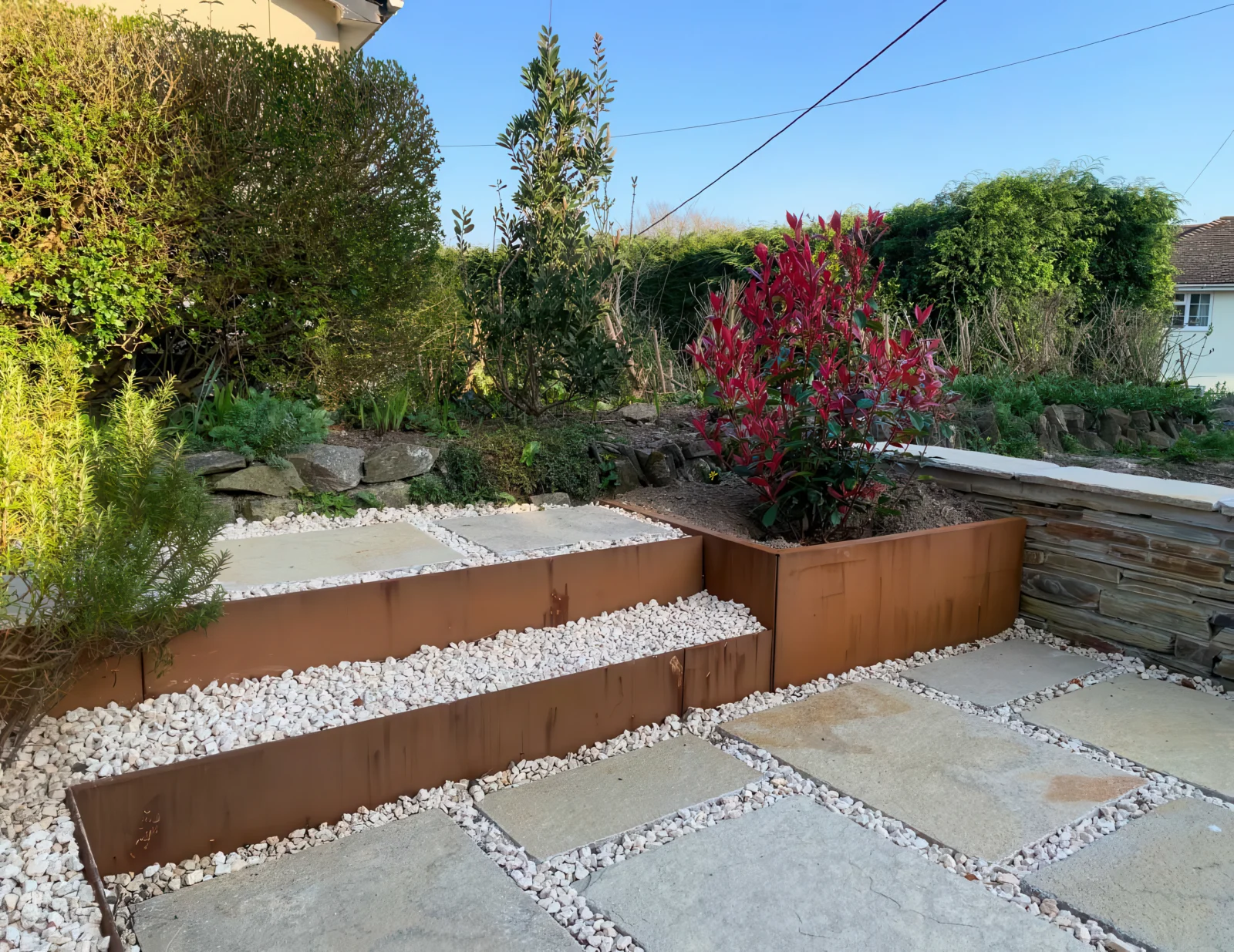
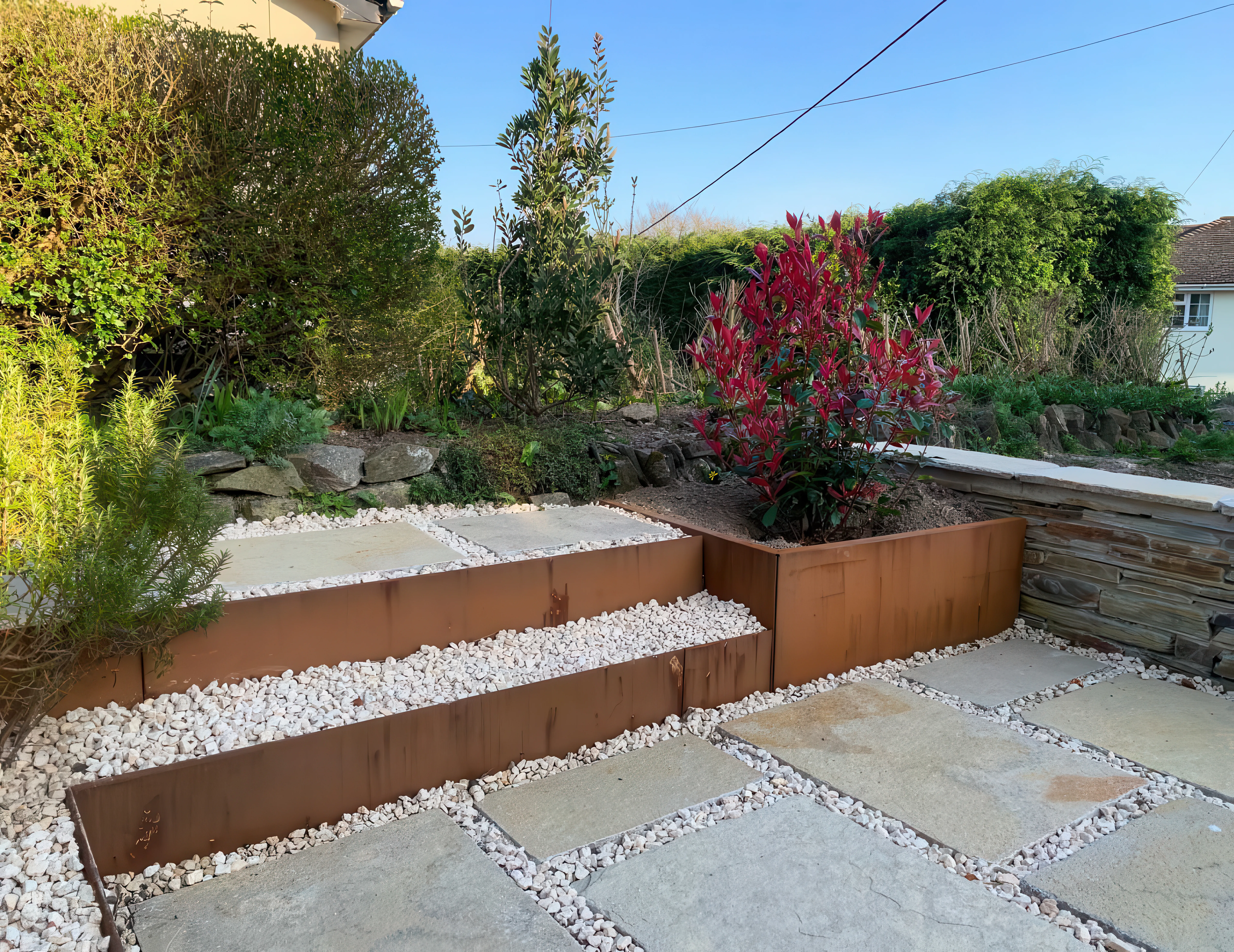
Terraced Weathering Steel Beds on a Sloped Patio
Oss, Netherlands
2 years old
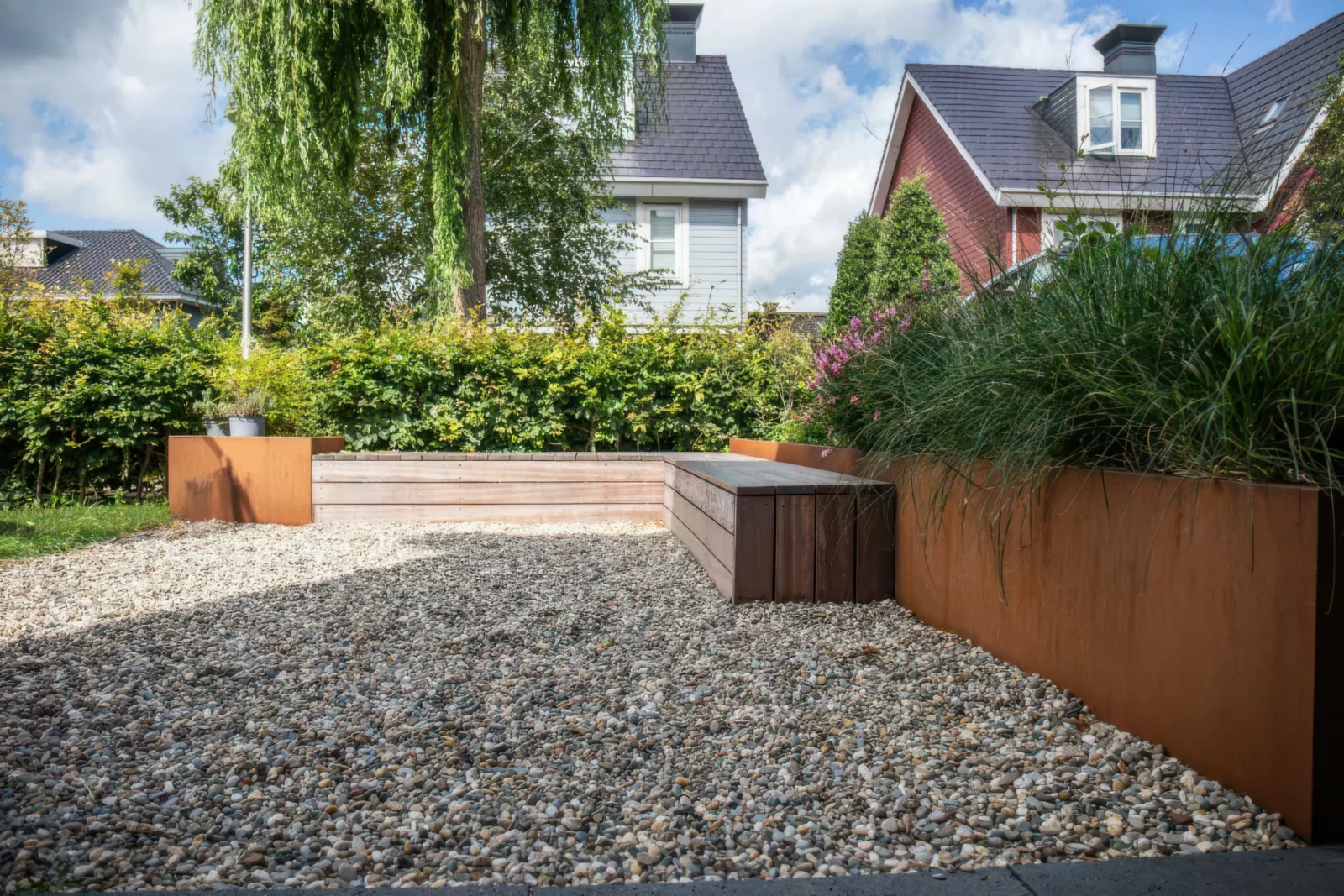
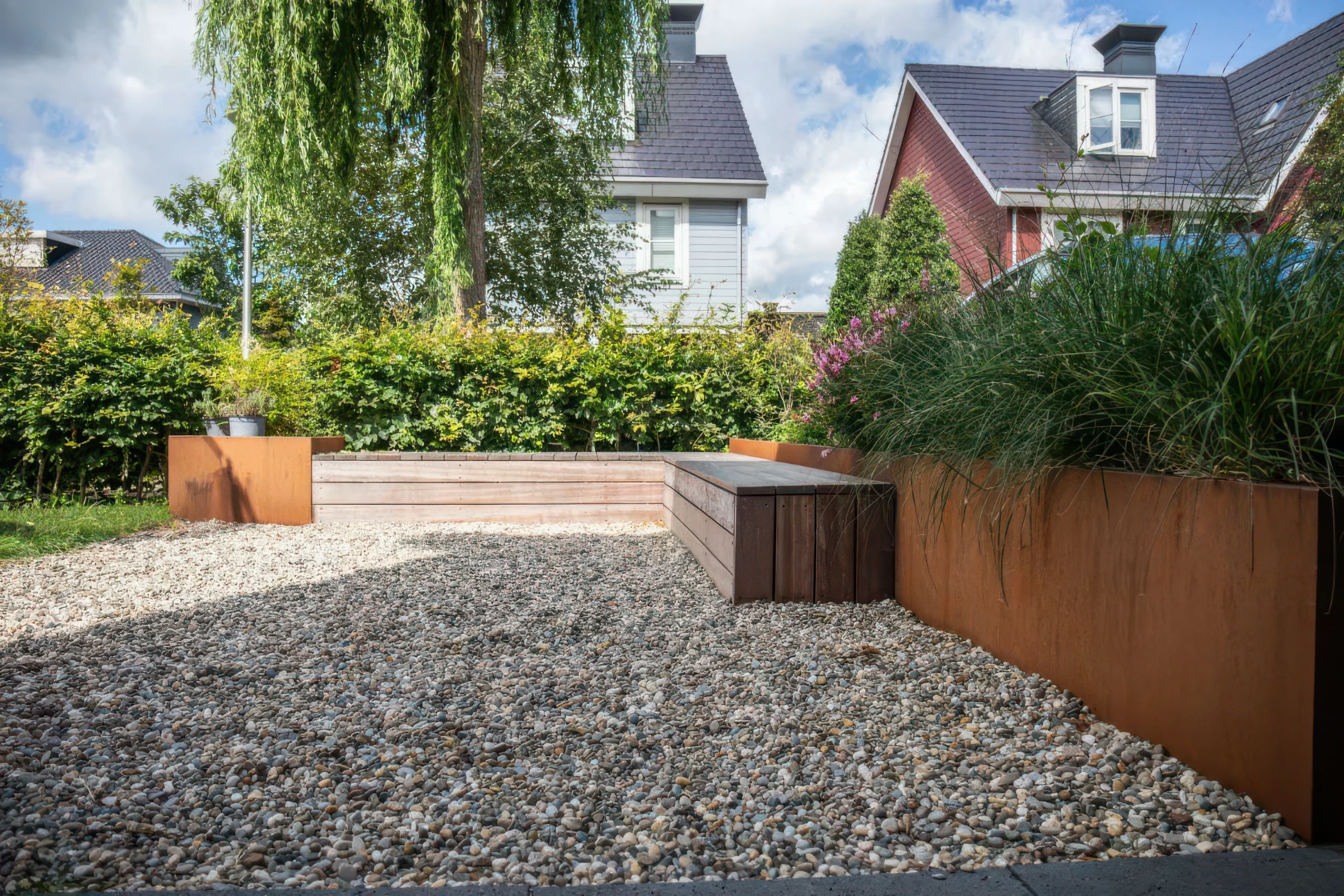
Tall Grasses in Weathering Steel Beside a Cedar Bench
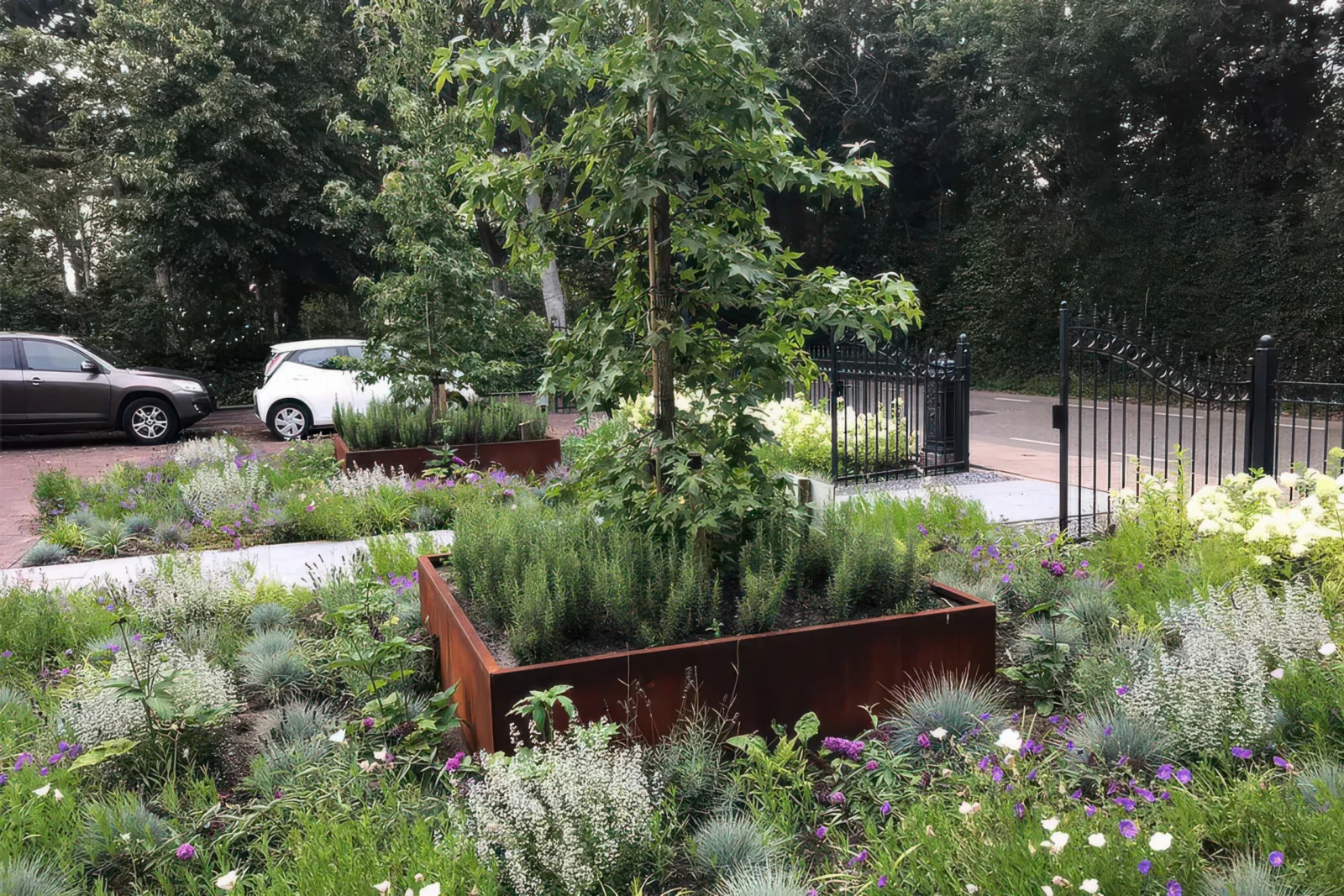
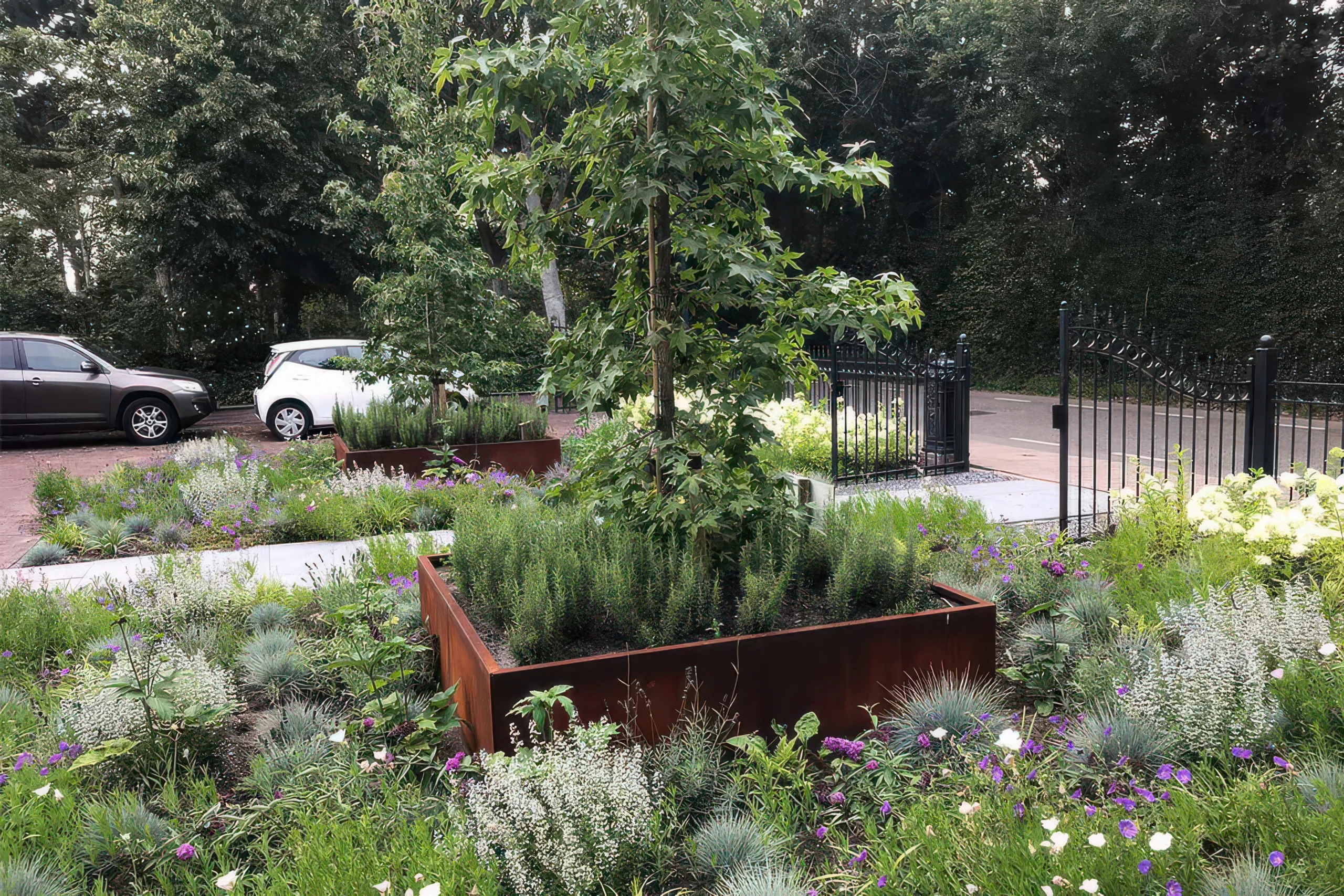
Central Coast, NSW
1 year old
Herb Garden in Weathering Steel Planter Boxes
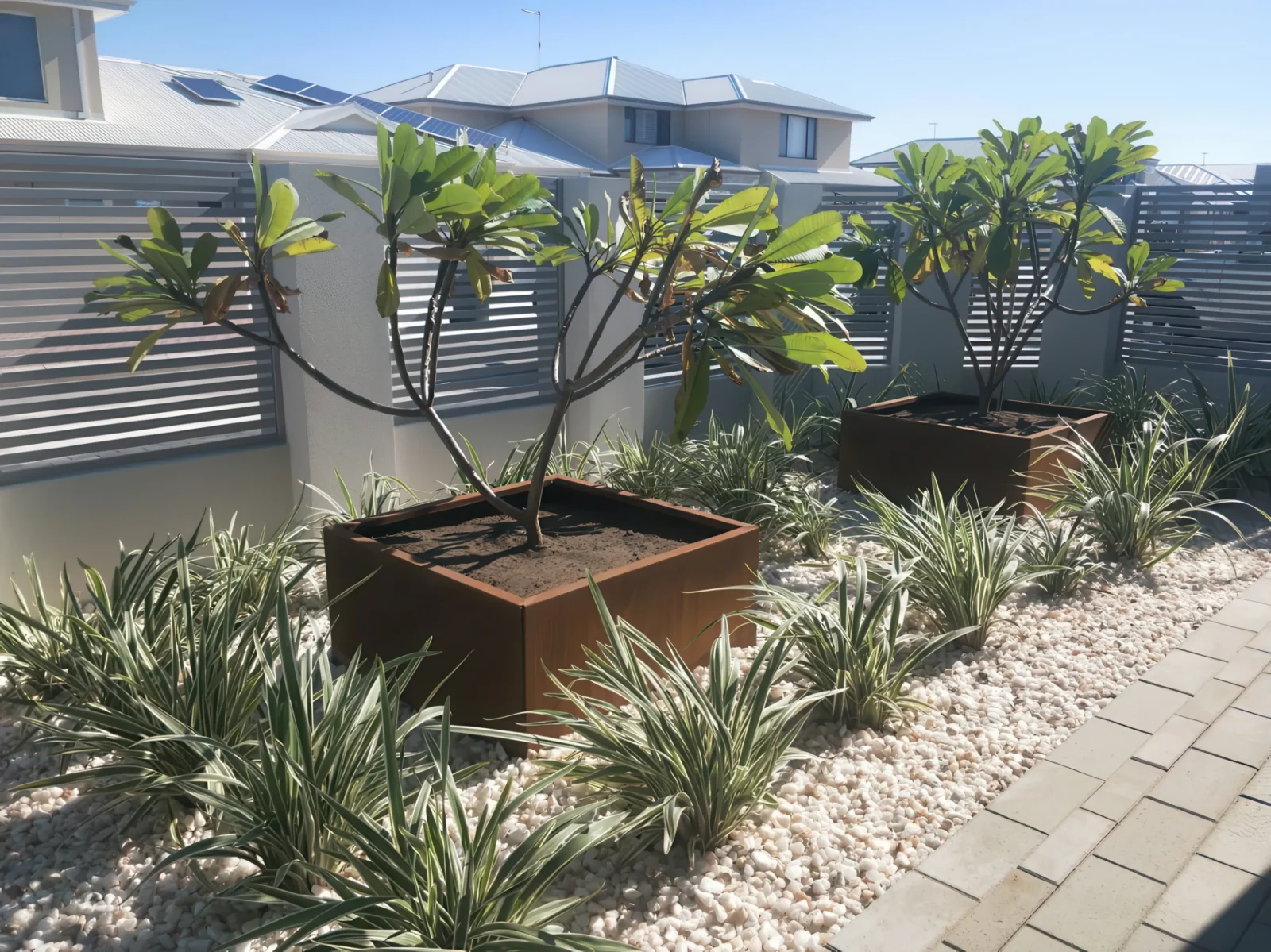
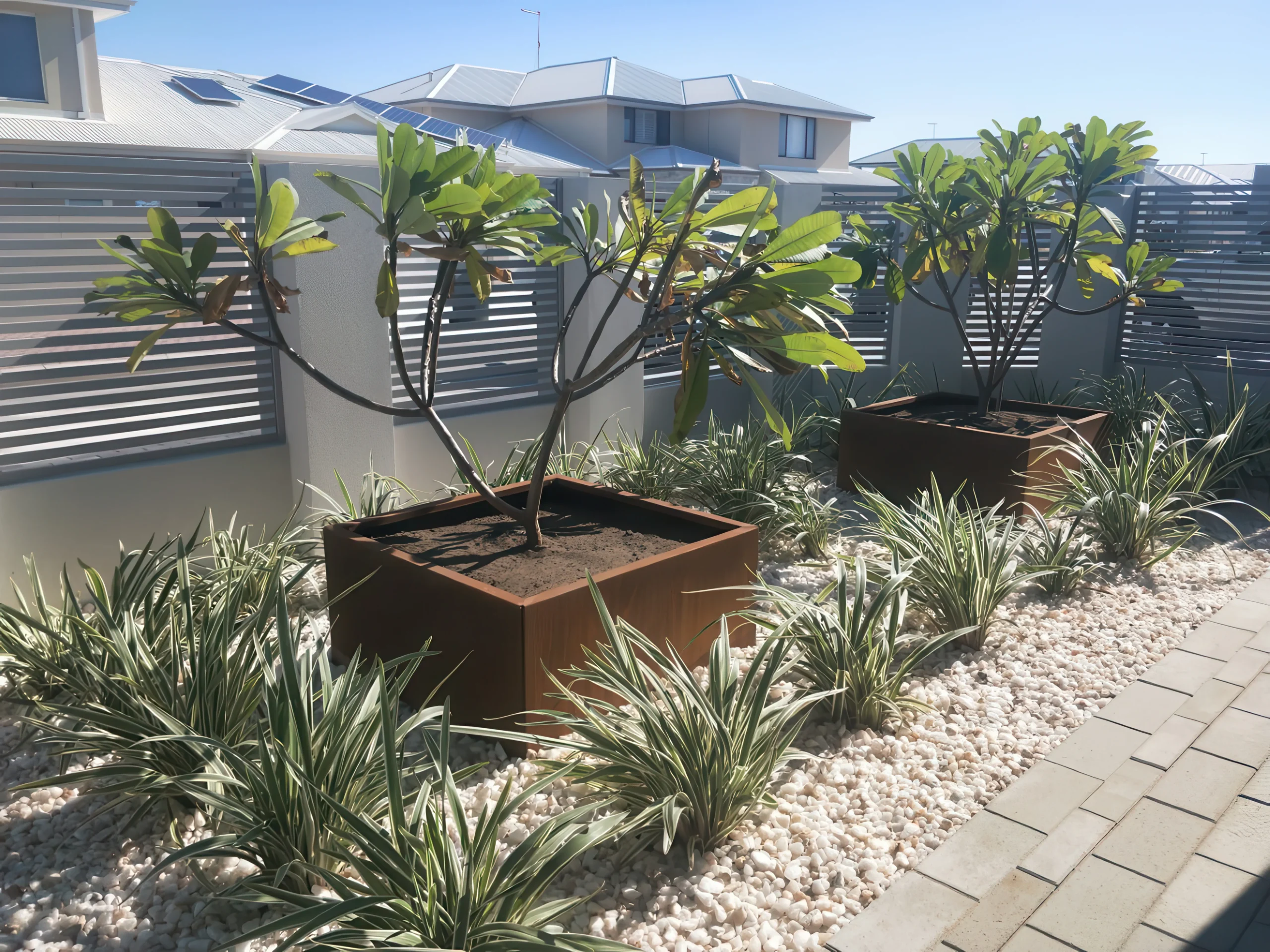
Canberra, ACT
1 year old
Matched Weathering Steel Cubes with Frangipani
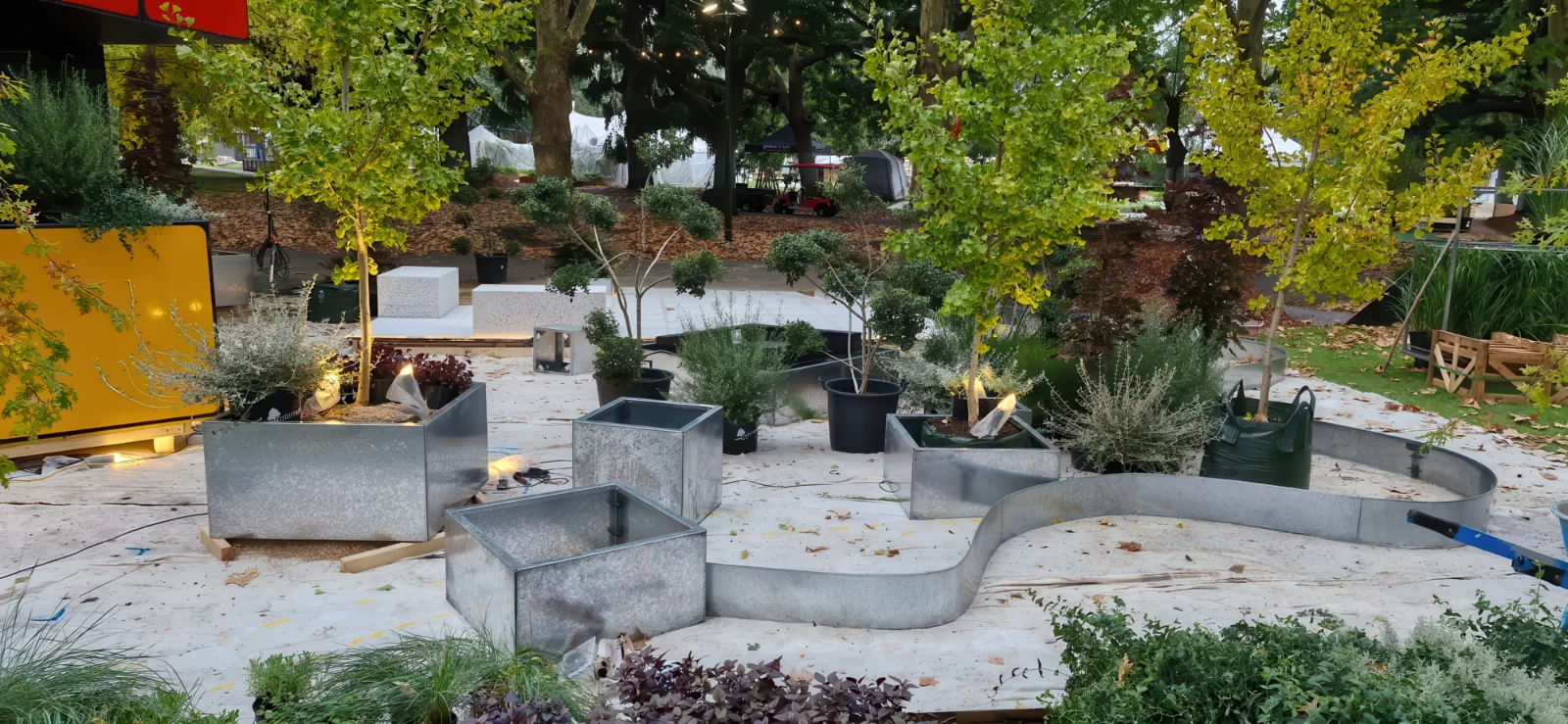
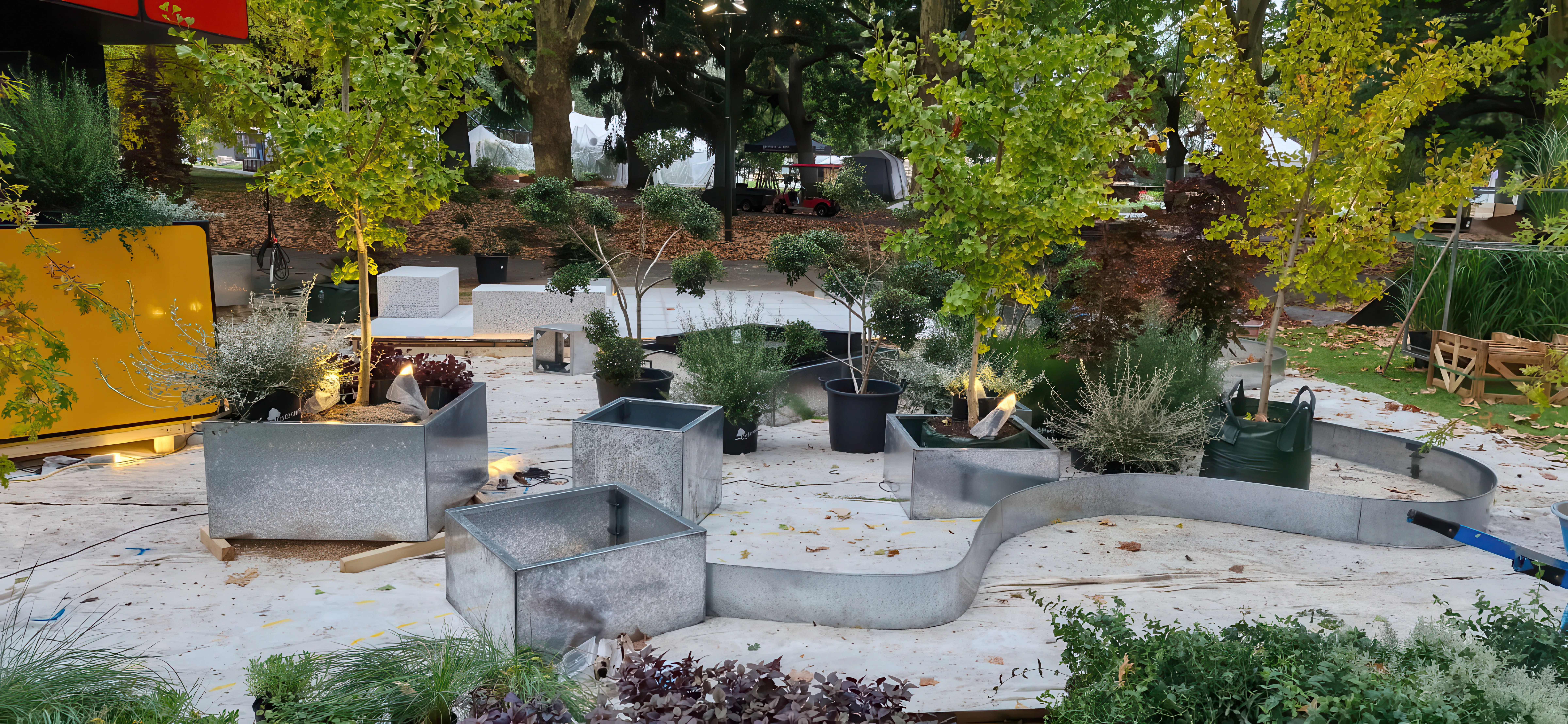
Perth, WA
2 years old
Galvanised Planter Install in Progress
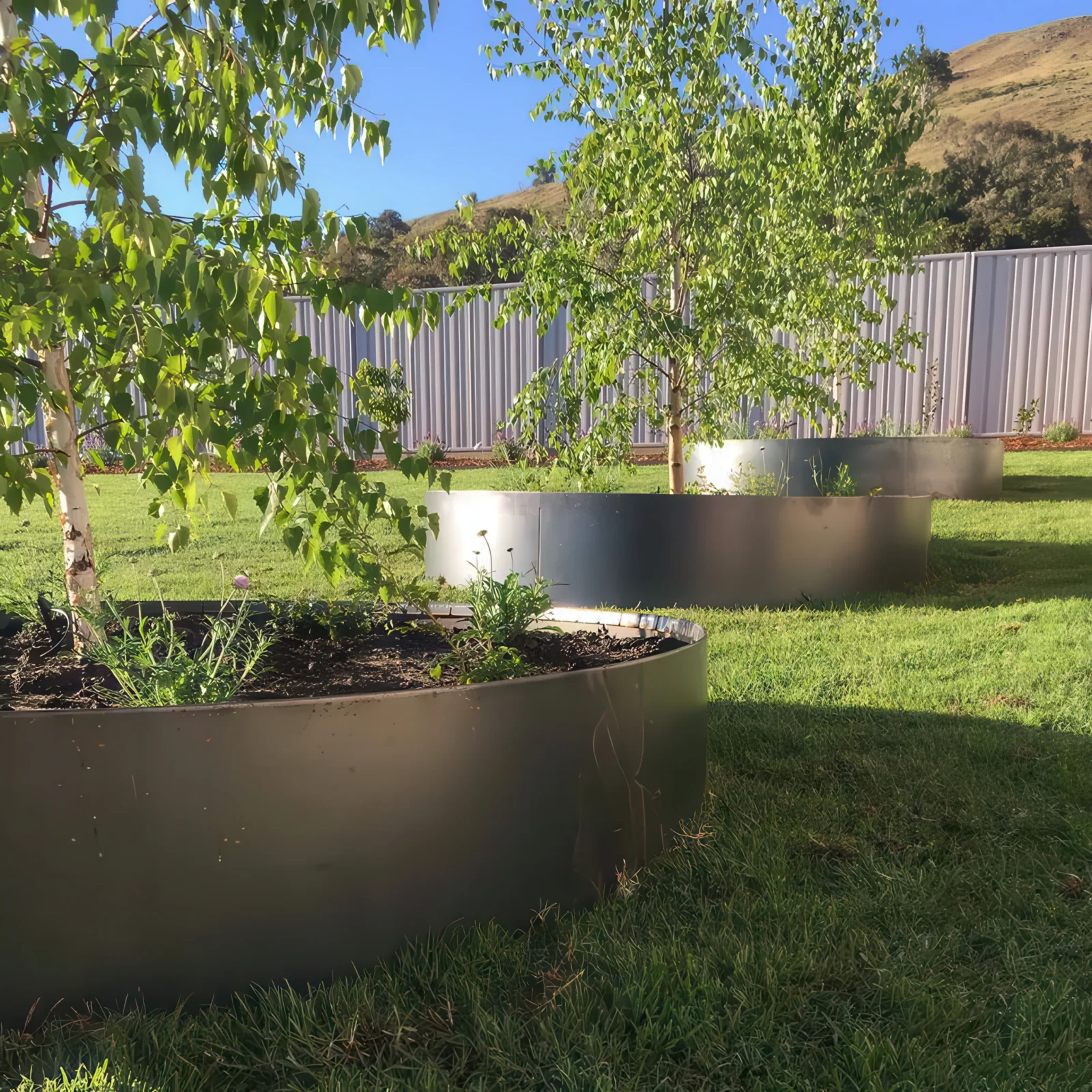
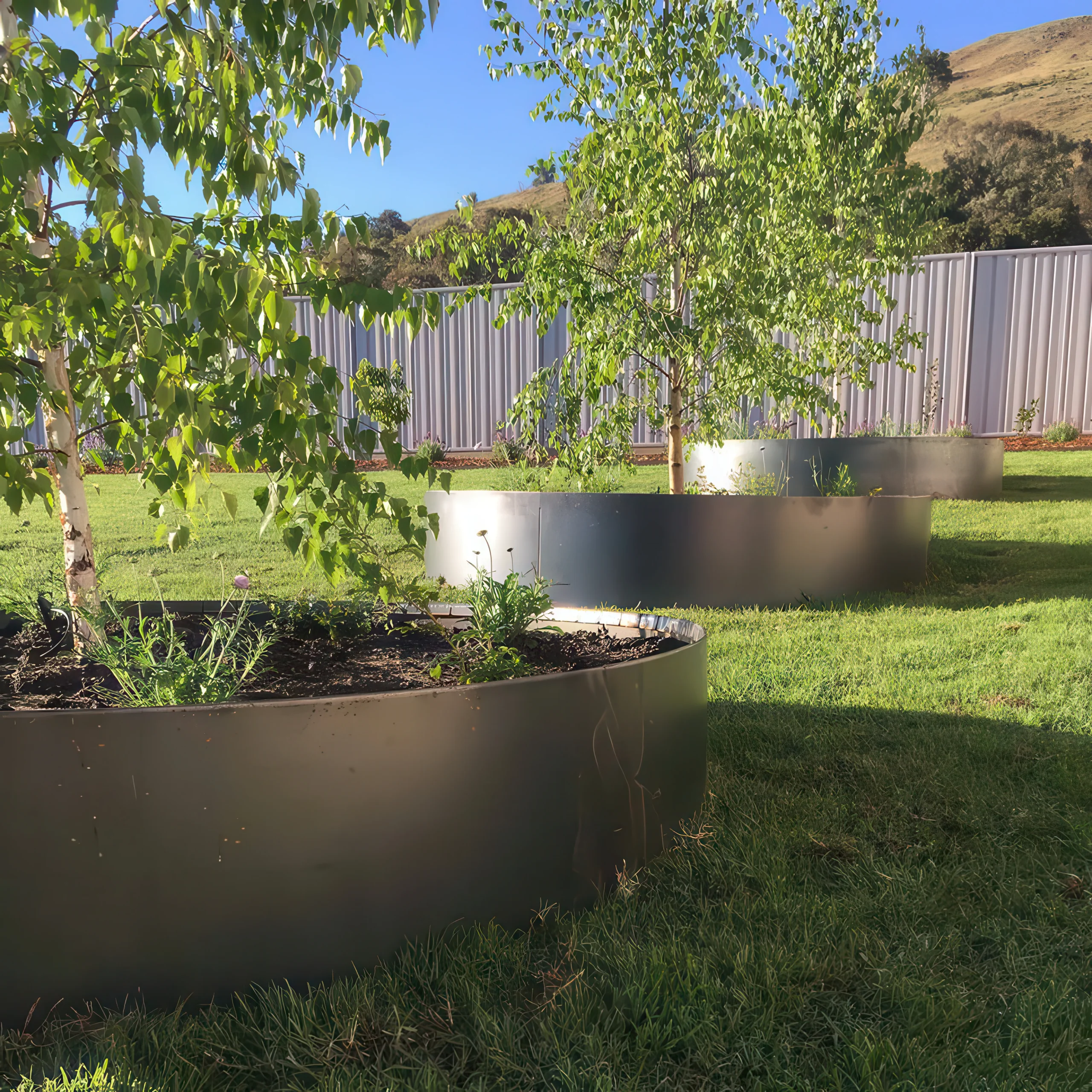
Albury, NSW
1 year old
Three Silver Birches in Circular Galvanised Planters
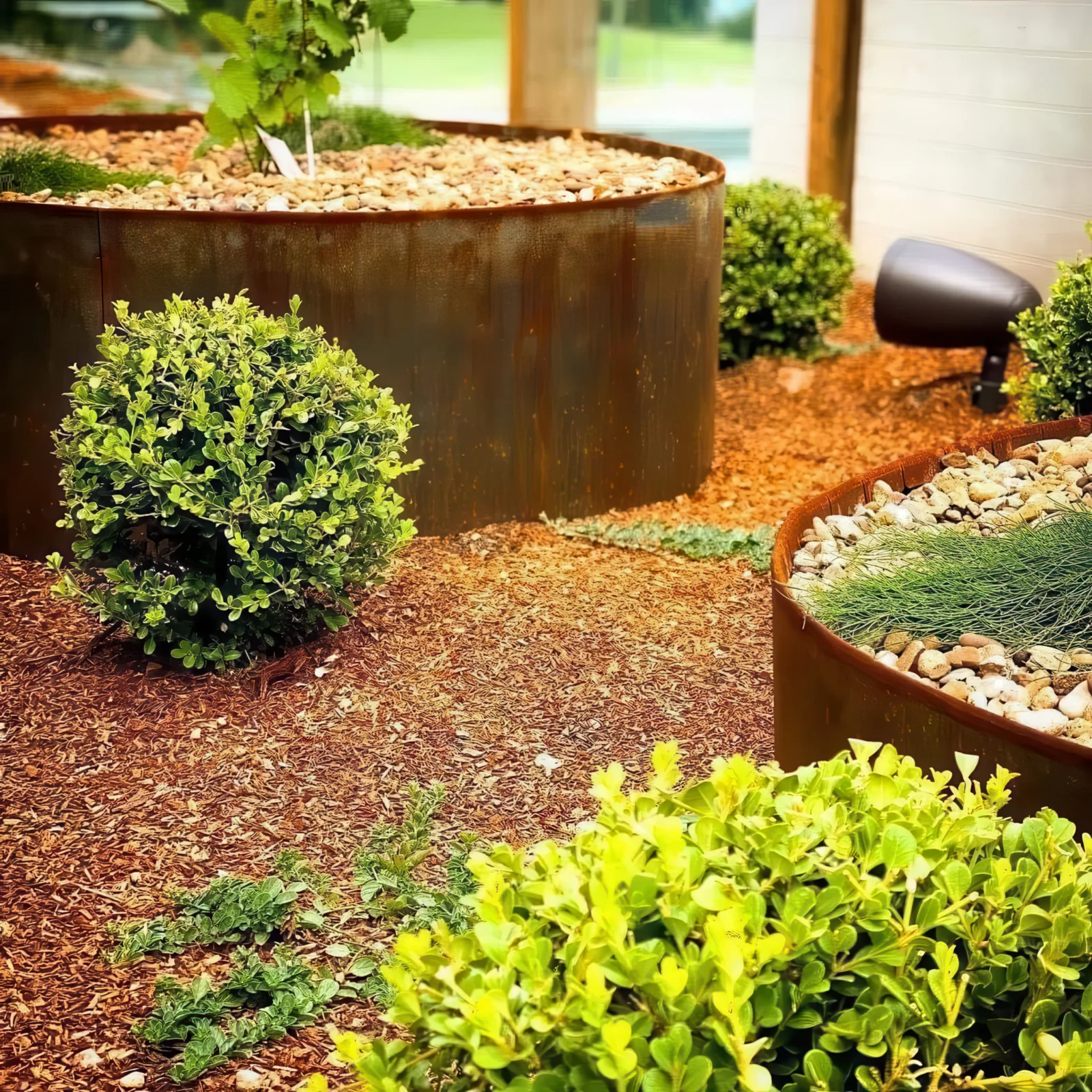
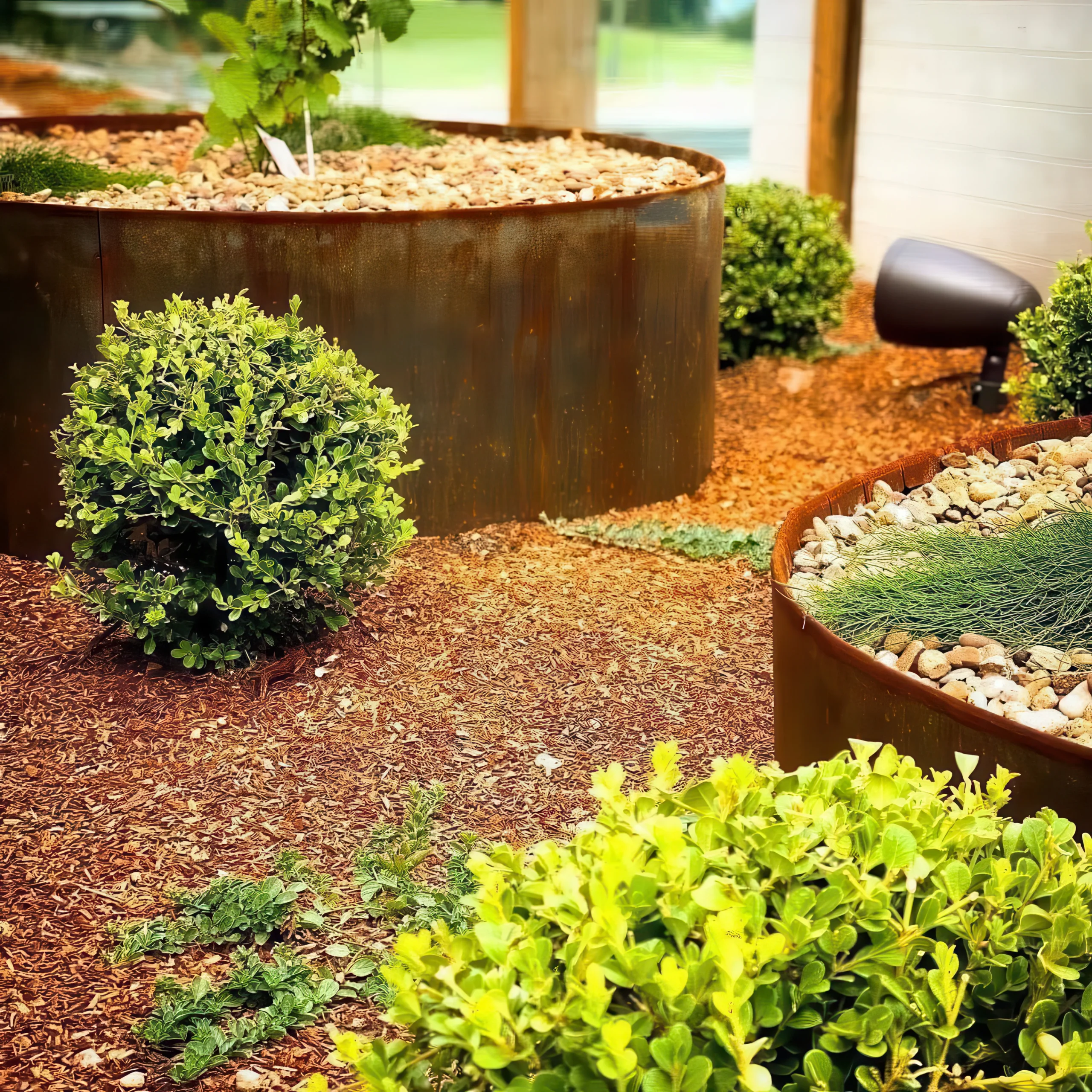
Perth, WA
1 year old
Topiary Globes in Weathering Steel Circles
More inspiration across every product line
Installation Guides
Watch. Learn. Install.
3x
Faster Installation
3-5Min
Installation Guides
5★
Trustpilot Ratings
Living material
The Patina Journey on Your Planter Boxes
Straightcurve garden planters are made from weathering steel (also known as corten steel), an alloy that develops a stable protective patina instead of rusting through.
Planter boxes sit prominently in patios, courtyards, and entrance areas, often against light-coloured paving or decking. This makes the patina journey both a visual highlight and a practical consideration. The transformation is the same science as our garden edging and raised beds: a dense protective bond between copper, phosphorus, chromium, nickel, iron, and oxygen that shields the steel and prevents further corrosion.
On a free-standing planter at eye level, every stage of the journey is more visible.
-
The Raw Starting Point
Your planter box panels arrive with a dark, almost black mill-scale surface. Once assembled and positioned, this is the starting state your planter will present.
-
Breaking Through
Orange patches appear as the mill-scale breaks down. On a planter box positioned on a light patio, these early changes are quite noticeable. During this phase, run-off may stain adjacent paving.
-
The Orange Phase
The full surface transitions through shades of orange as the initial oxidation builds. If your planter sits on light stone or timber decking, place a temporary protective layer beneath it.
-
Warming and Deepening
Reddish-brown tones replace the brighter orange. The risk of surface staining diminishes as the patina stabilises. Adjacent materials can now be cleaned if any residue has accumulated.
-
Finding Its Character
A deeper brown develops across the panels. The protective layer is well established. Your planter box is settling into the colour palette of your outdoor space.
-
Rich and Stable
The patina reaches a deep, rich brown. Staining risk is effectively nil. The planter has become a permanent and characterful feature of your patio or courtyard.
Surface Protection
Place builders felt or a sacrificial mat beneath the planter during the first few months to prevent run-off from marking light paving. Alternatively, choose galvanised steel to eliminate staining entirely.
Technical resources
Technical Resources
Product Catalogue
The complete products range. Heights, styles, finishes, specifications, and box set contents.
Longevity Guide
Understanding what determines the quality and longevity of your weathering steel product over time.
Product Care Guide
Practical guidance on maintaining weathering steel products for the best possible patina development.
Material Comparison
How Steel Planters Compare
| Feature | Straightcurve Steel | Timber | Composite / Fibreglass |
| Structure | 2.0mm steel with internal bracing. Free-standing with bolt-down option. |
Bows outward as timber softens. Corner joints weaken over time. |
Lightweight: easy to move but unstable in wind or when filled with wet soil. |
| Design Quality | Architectural presence. Clean angular top edge. Living patina or contemporary galvanised. |
Natural initially. Visible fixings. Colour inconsistency over time. |
Some achieve a sleek look. Many look artificial. Mould lines visible on cheaper options. |
| Hard Surface Use | Designed for it. Bolt-down option for permanent fixing. Packers for drainage. |
Base rots from water pooling. No standard bolt-down option. |
Sits on surface without fixing. Can blow over when empty. Drainage often inadequate. |
| Site Access | Flat-packed panels. Assembled on-site. Easy through narrow passages and doorways. |
Pre-built planters are large and heavy. Difficult through a house or side gate. |
Lightweight when empty but fragile. Large fibreglass may not fit standard doorways. |
| Maintenance | Minimal. Weathering steel self-protects as it patinas. Galvanised needs no treatment. |
Annual treatment recommended. Untreated timber rots from ground up. |
No treatment, but replacement every few years adds up. |
A planter box sits in the most visible part of your outdoor space: by the front door, on the patio, framing a seating area. It needs to look good from day one and stay looking good without your attention. Timber planters need staining, softwood ones rot from the base up, and many composite options simply do not age well. Straightcurve planter boxes are 2.0mm steel, assembled on-site from flat-packed kits, and designed to be the last planters you buy. They are also the only planter system we know of that you can bolt down to a paved surface and brace internally for structural permanence.
Planter Box FAQs
Common Questions
What is the difference between a planter box and a raised bed?
In the Straightcurve range, planter boxes are self-contained, free-standing rectangular vessels with a distinctive angular top edge. They are built from kit components and are ideal for hard surfaces such as patios, courtyards, and balconies.
Raised beds, by contrast, are typically used in ground-level growing areas and are available in Flex (curved), Rigid (straight), and Zero-Flex (perfectly straight) styles. Both use 2.0mm steel and the same connection principles, but their design intent and use cases differ.
Can I bolt a planter box to my patio?
Yes. All Straightcurve planter boxes are free-standing by default, but they include bolt-down capability for permanent installation on hard surfaces. On concrete or stone paving, use DynaBolt fixings through the foot tab holes.
We recommend placing packers beneath the planter to raise it slightly off the surface, allowing drainage and preventing water from pooling beneath it.
How does the bracing work on planter boxes?
Planter boxes use internal bracing rods that span the width of the box and lock into the panels via fixing lips. For planters up to 1000mm wide, the included bracing set is sufficient and can be snapped to the correct size.
For planters wider than 1000mm, use multiple bracing sets or the Universal Bracing Set, which uses a turnbuckle and chain system anchored to ground stakes, walls, or fences.
Will a weathering steel planter stain my paving?
During the early stages of patina development, run-off from the steel can leave marks on light-coloured surfaces. This is temporary and manageable. Place a protective layer beneath the planter during the initial weathering period, or pre-rust the panels before assembly.
Once the patina stabilises, staining stops. If staining is a concern from the outset, galvanised steel planters eliminate it entirely.
Can I create custom sizes or configurations?
Yes. The planter box system is modular and kit-based, so you can create any closed shape in a range of sizes by using the Planter Box Configurator. Simply draw your desired shape, and the Configurator automatically selects the appropriate panel lengths and combines them with the required corner sets and bracing accessories.
Standard configurations are available, but bespoke kit-style creations are equally possible.
The panels are flat-packed, making them easy to transport through narrow access points and assemble exactly where they are needed.
Are Straightcurve planters suitable for UK winters?
Yes. Steel planters are unaffected by frost, so they will not crack or split in cold UK winters the way terracotta or ceramic pots can. Both weathering steel and galvanised finishes are made for permanent outdoor use through every season. Good drainage still matters, so we recommend placing packers beneath planters on hard surfaces to let water escape.
How long will a Straightcurve planter last?
Straightcurve planters are made from 2.0mm steel and designed to be a permanent garden feature rather than something you replace every few years. Weathering steel forms a protective patina that shields the steel beneath, and galvanised steel resists corrosion through its zinc coating. Our Longevity Guide explains what determines lifespan and how to get the best from each finish.
Do you deliver planters across the UK?
Yes. Straightcurve planters are available to order online with delivery across the UK. Because of their size and weight, orders are delivered on a pallet, and stock shown in our online store ships from our UK warehouse, typically within seven days. See our Delivery Information page for details.
BEYOND THE GARDEN
Built for a Longer Game
Straightcurve is part of The Ignition Chamber, an Australian company that builds vertically integrated climate infrastructure companies. Each one funds what comes next.
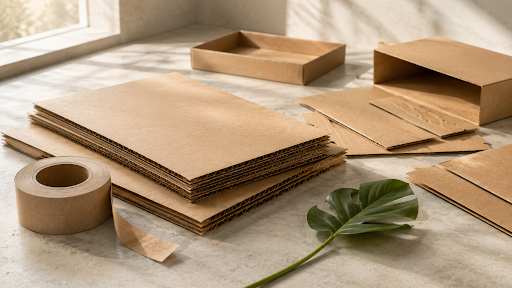
Circular Design
Zero plastic packaging
Two years of R&D replaced every piece of foam and plastic with waterproof cardboard and compostable tape.
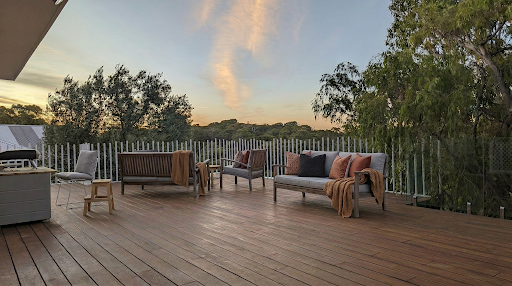
Carbon Capture
Essier bamboo decking
Bamboo boards that are 60% carbon negative, returned at end of life for permanent underground storage.
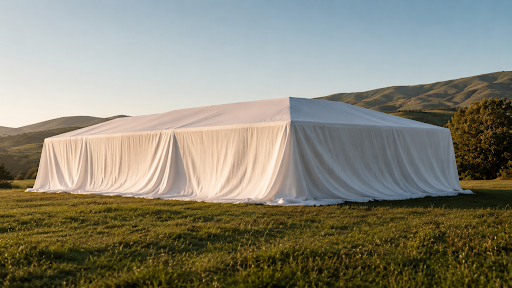
Climate Housing
Elysium Living
Homes designed to be carbon negative to build, energy positive to live in, and globally deployable.
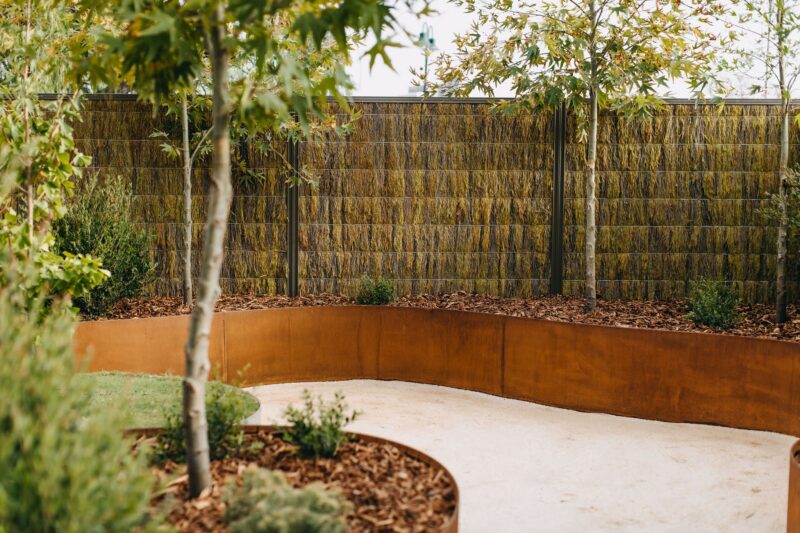
Why a garden company builds houses
Straightcurve was the first company built inside The Ignition Chamber. The lessons from scaling it across seven countries are now being applied to carbon-negative housing.
Straightcurve started with a redesign of steel garden edging. No welding. No specialist tools. Professional results from a single modular system. But scaling globally meant confronting harder questions. Weathering steel corrodes over time. Packaging depends on plastic. Every product sold is ore pulled from the ground in a form that never comes back.
Two years and hundreds of thousands of dollars later: protective coatings that keep all steel intact for recycling. Cardboard waterproofed with organic oil instead of plastic film. A product genuinely designed for recovery and reuse.
The same stubbornness produced Essier, bamboo decking that is 60% carbon negative. And Elysium, housing designed to remove carbon from the atmosphere. Each company funds what comes next.
Ready to Start
Become the gardener you’ve been waiting to be.
Draw your shape, pick your finish, and order online. Or get in touch for personalised project advice.