3
Heights
75, 100, 150mm
3
Styles
Flex, Rigid, Zero-Flex
5-7mm
Rolled-Profile
For Child & Pet Safety
Low
Maintenance
Self-protecting patina
2.2m
Single piece
Max panel length
2
Finishes
Patina & Galvanised
Join thousands of successful installations
Configure Your Edging
Bracing Options
Optional Accessories
Current Selection
Important
- Flex requires 2x bracing sets or posts per panel (except for circles)
- Rigid requires 2x bracing sets or posts per panel
Included per panel
Total Meterage
0m
Estimated Total incl. VAT
$0.00
Proven excellence
Thousands of Gardens. One Perfect Edge.

CHS Landscapes Ltd
Landscape installer · UK
"We really enjoyed installing the flexible edging. A breeze to fit and looks great. Plenty of customer support during the ordering process and post-sales."
5★
Trustpilot verified
Pro
UK landscape trade
Paul Greenyer
Founder, InsideOut Home & Garden Improvements · Sussex
"We used Straightcurve extensively in our ‘Reflections’ garden, where its versatility helped us create bespoke construction details within a highly engineered build. Adaptable, straightforward to install once understood, and delivers a sharp, contemporary finish."
20+
Years in landscaping
5
APL Awards 2025
Anna Neal
DIY home gardener · UK
"Quick delivery, helpful emails before and after offering support and guidance. Product simple to use and set up. Did it all on my own."
5★
Trustpilot verified
Solo
DIY install
curated inspirations
Find Your Style
From crisp lawn edging to flowing garden borders, see how Straightcurve weathering steel shapes real gardens. Click any garden to see the exact products used. Each curve tells a story.
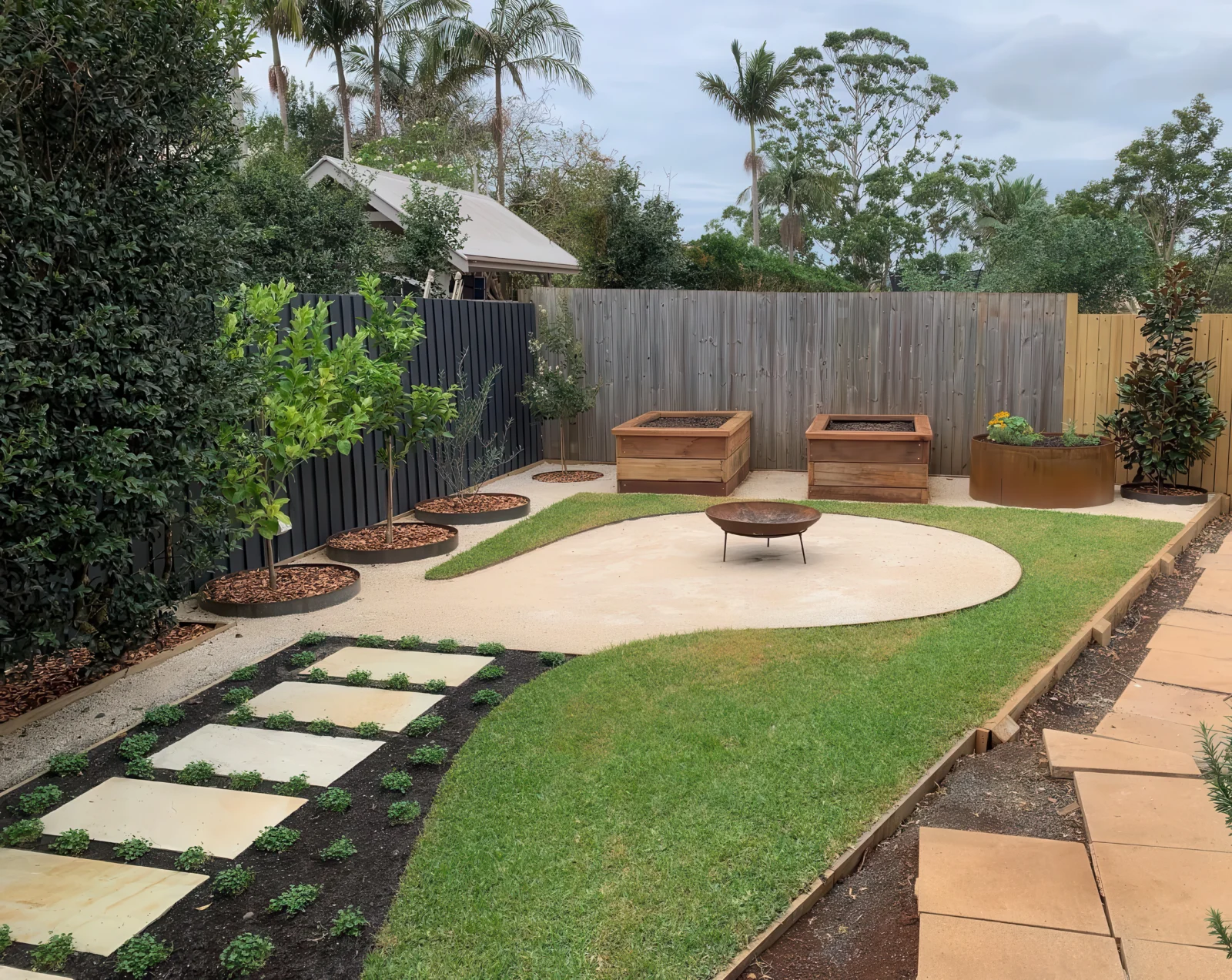
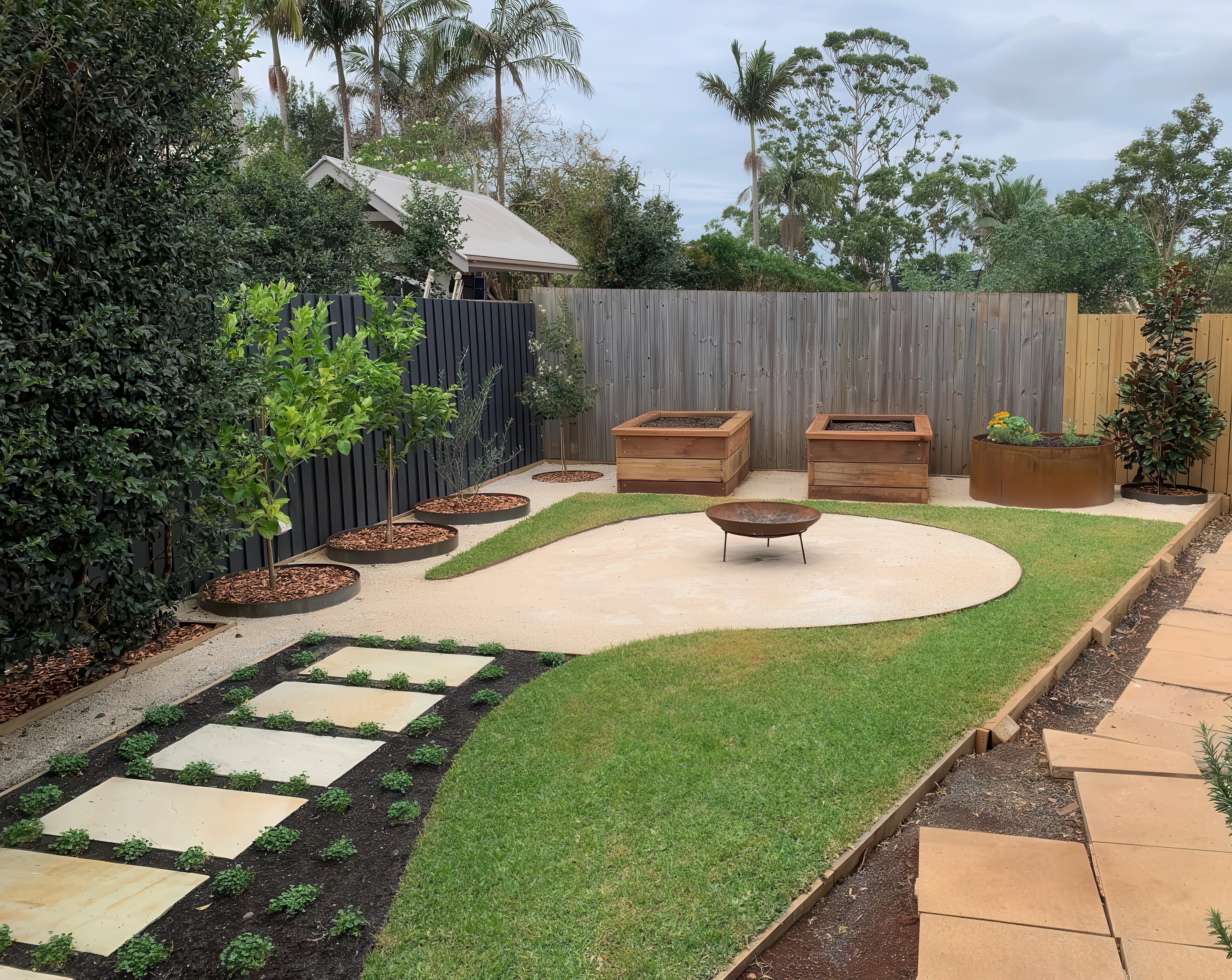
Mornington Peninsula, VIC
2 years old
Fire Pit Courtyard with Weathering Steel Edges and Timber Planters
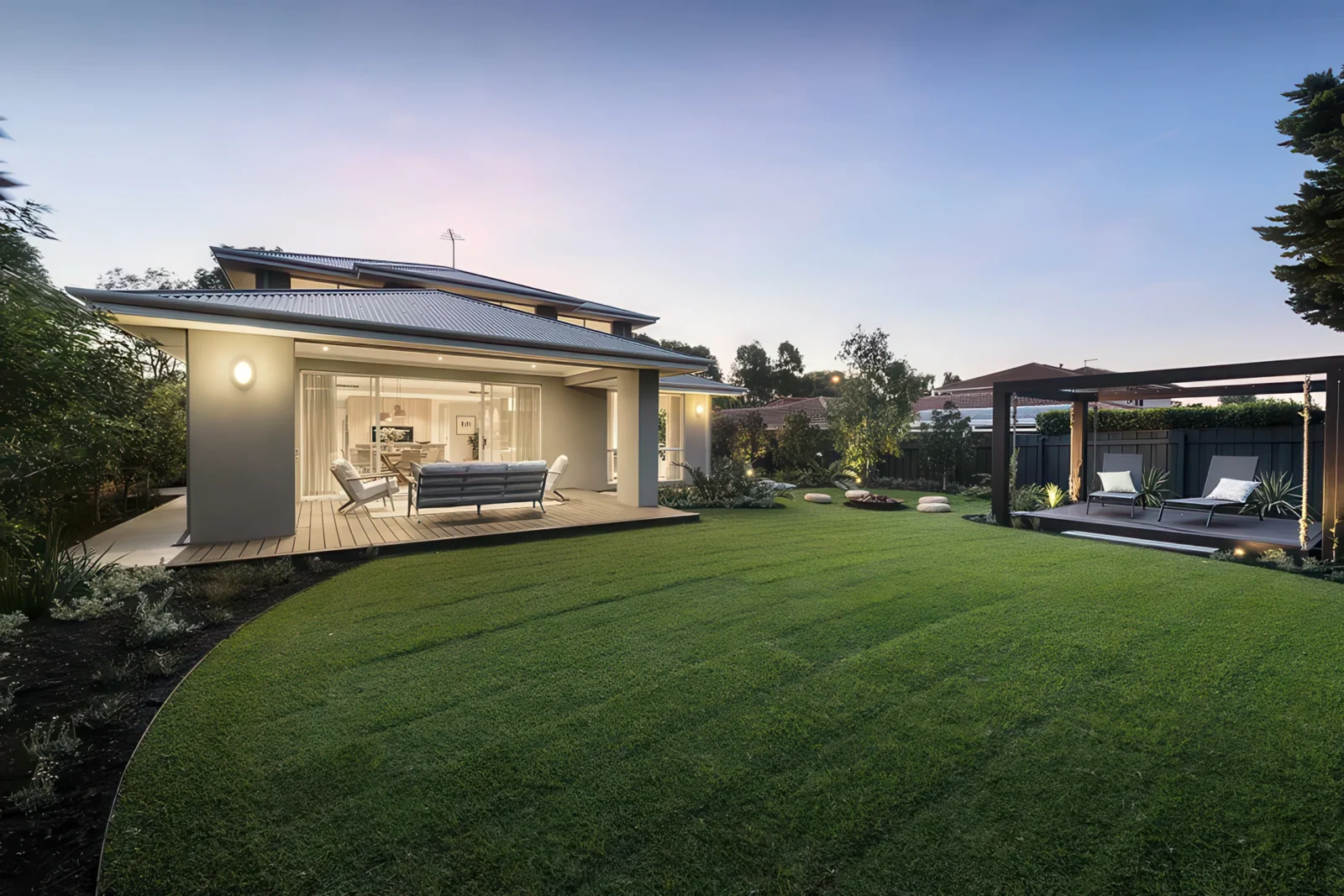
Perth, WA
2 years old
Sweeping Dusk Lawn with Hidden Weathering Steel Edge
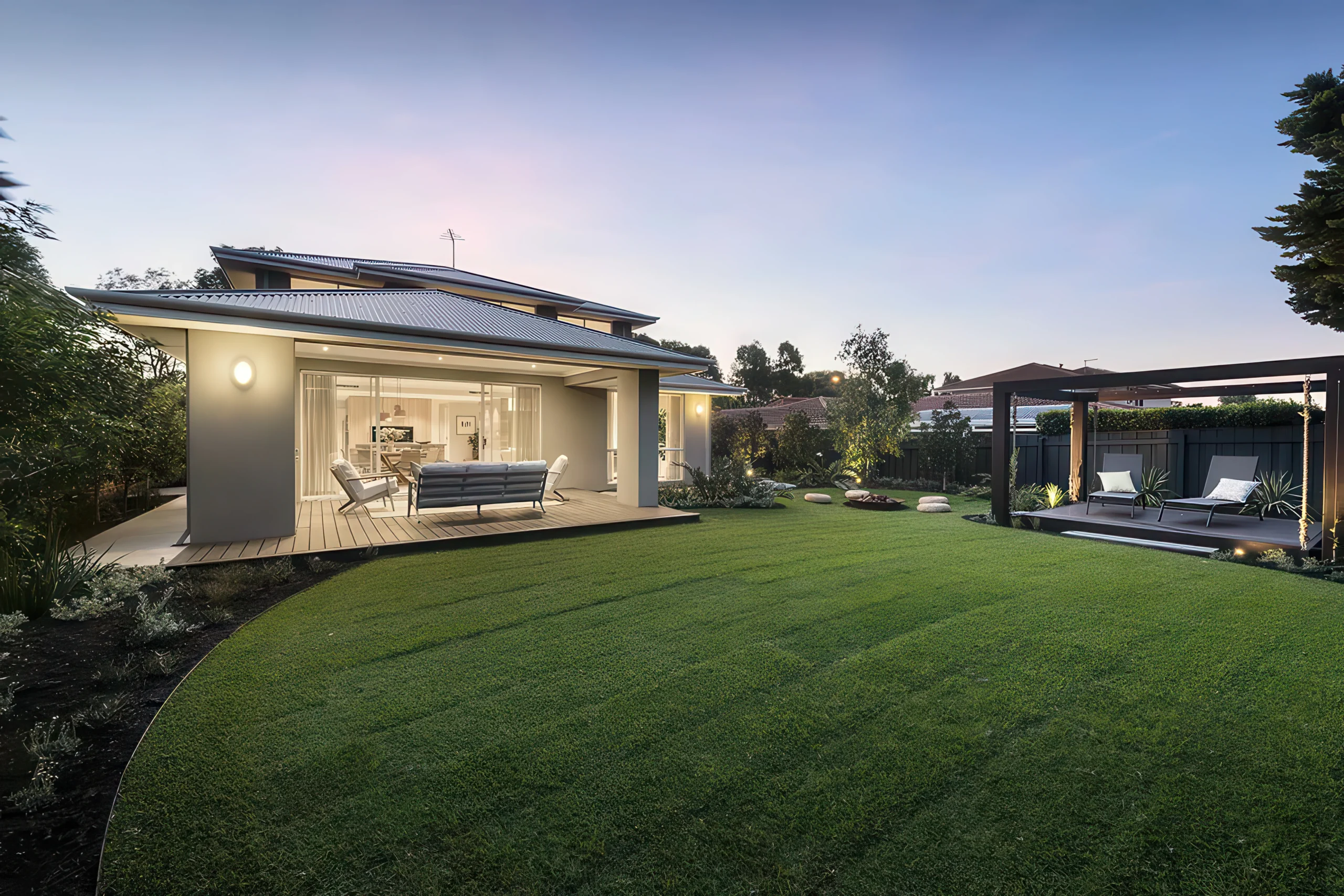
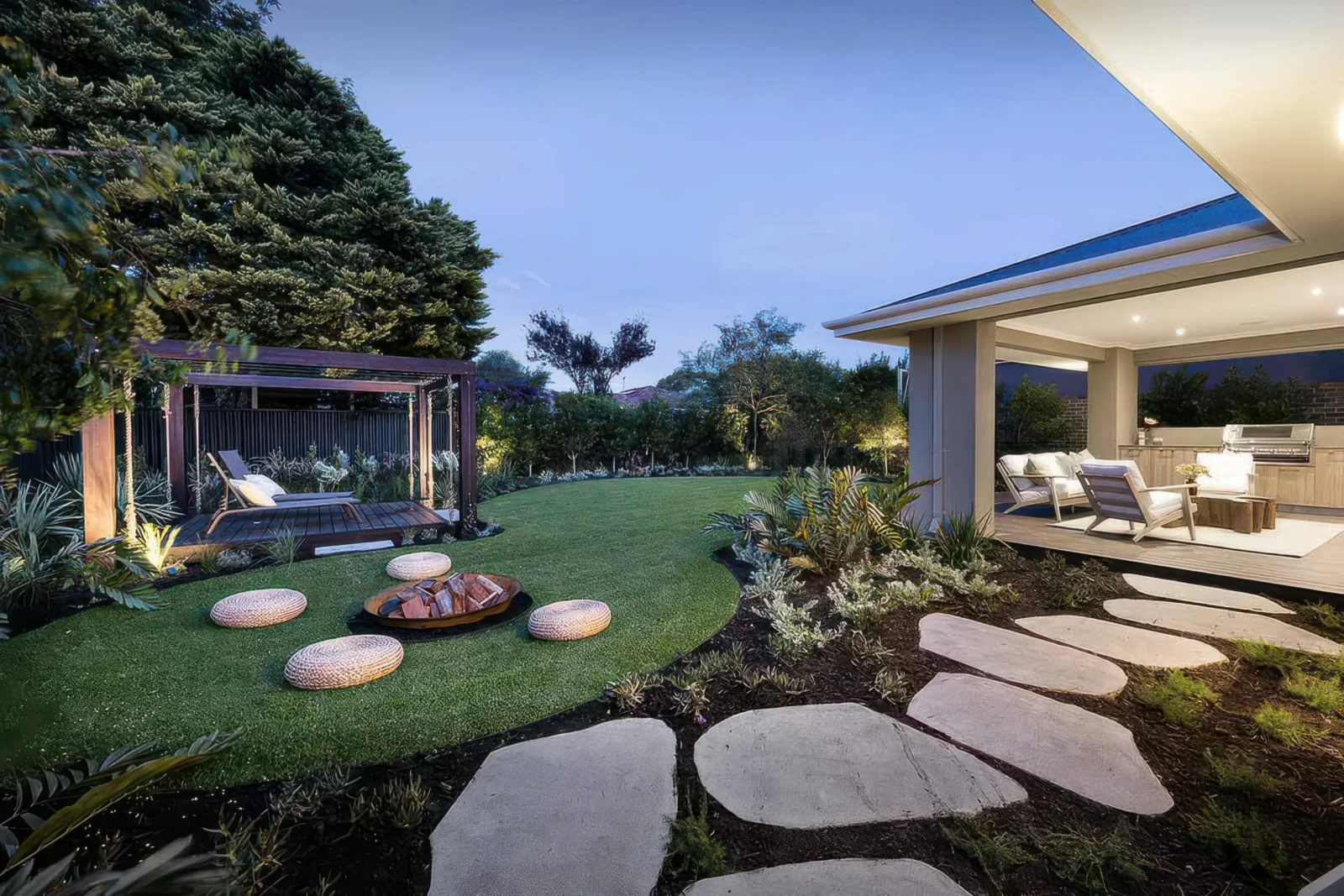
Perth, WA
2 years old
Evening Garden with Sculpted Weathering Steel Edges
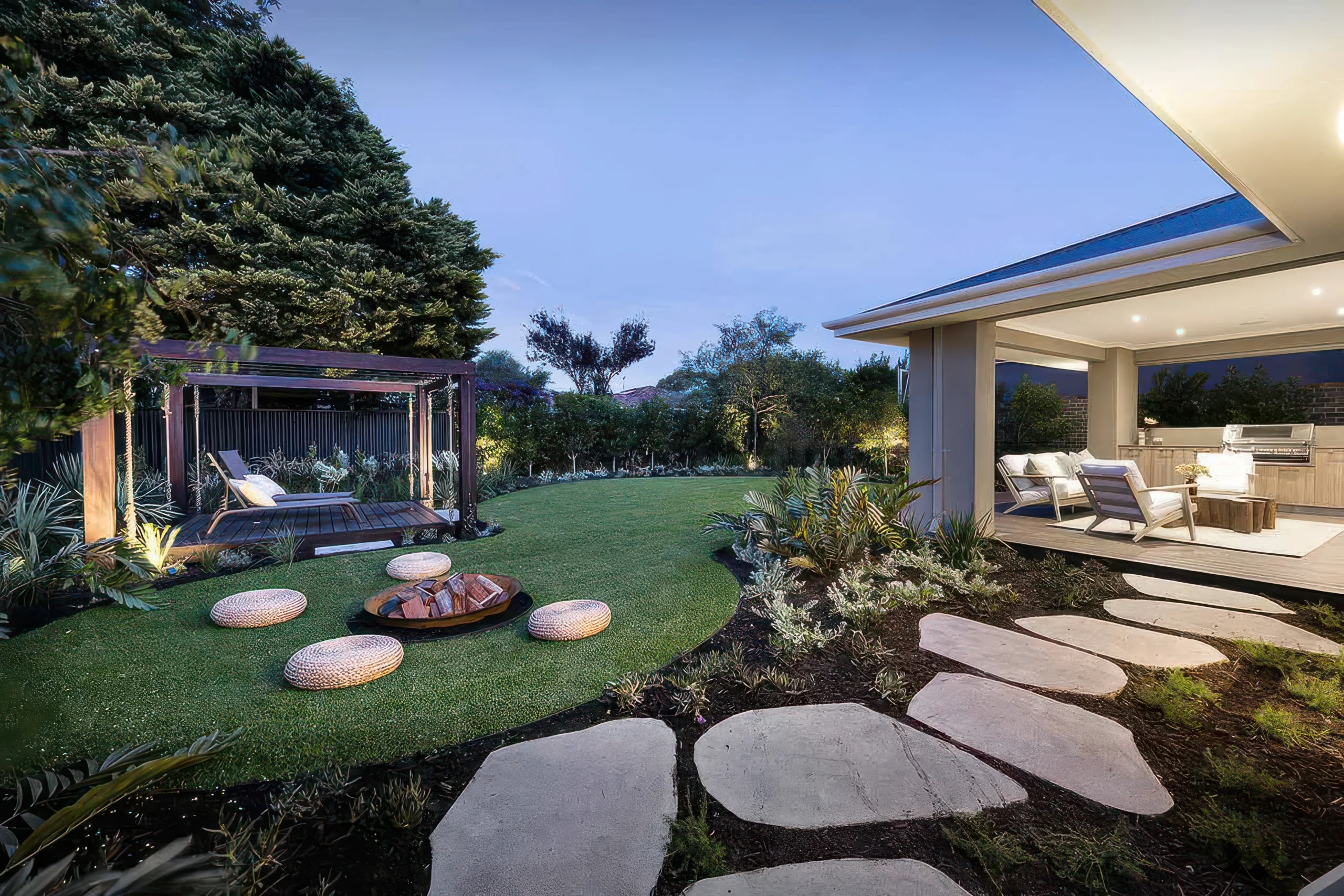
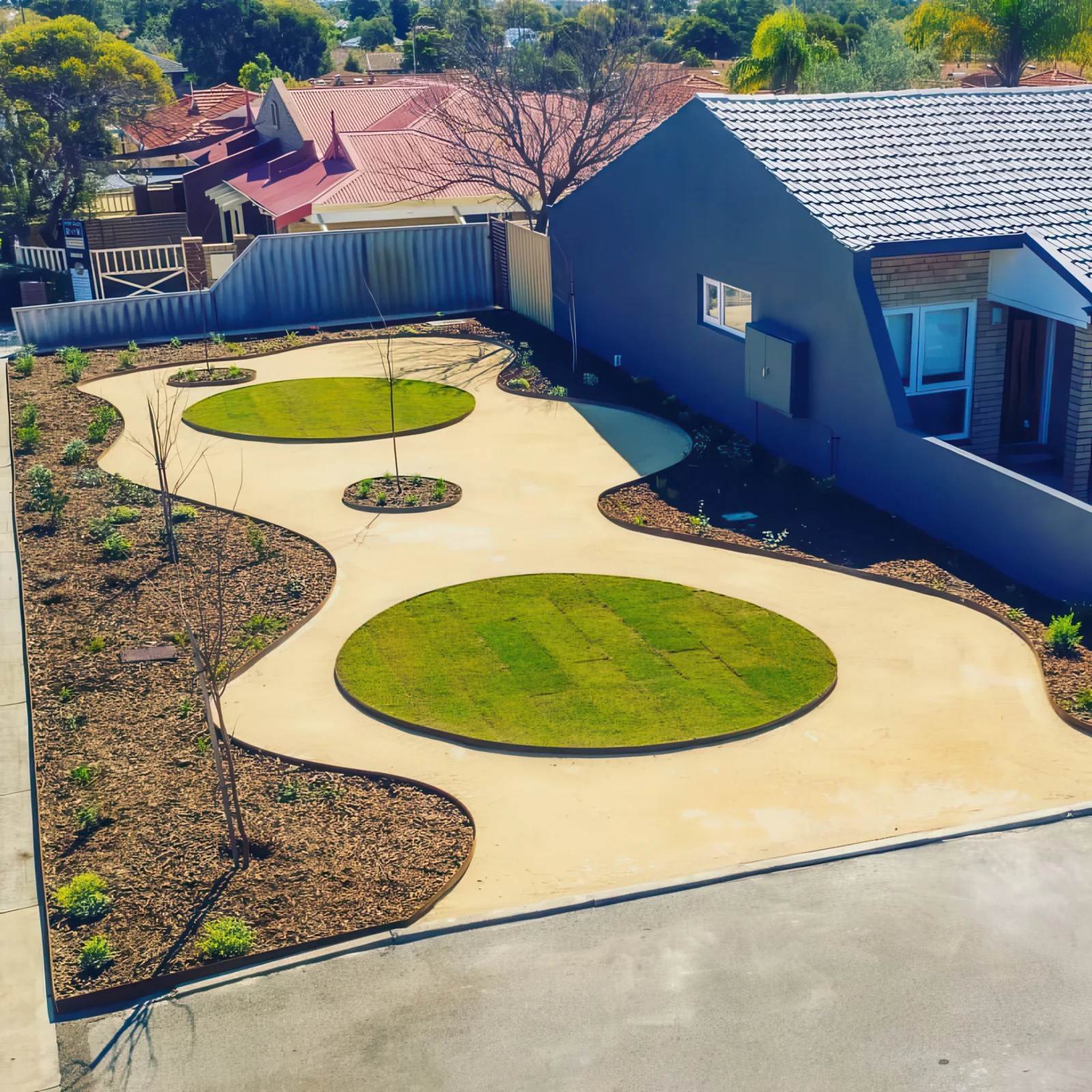
East Victoria Park, Perth, WA
2 years old
Circular Lawn Islands in a Modern Courtyard
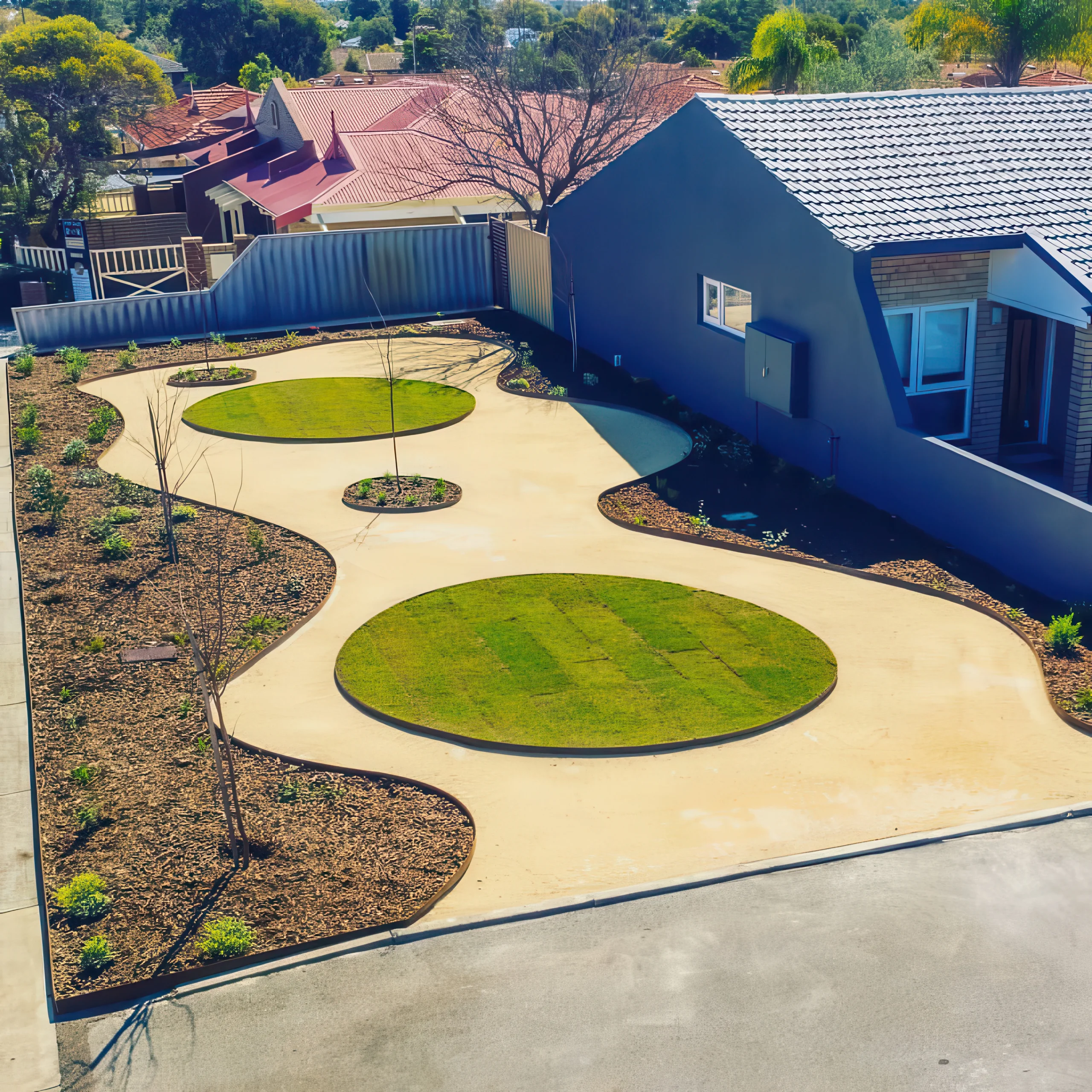
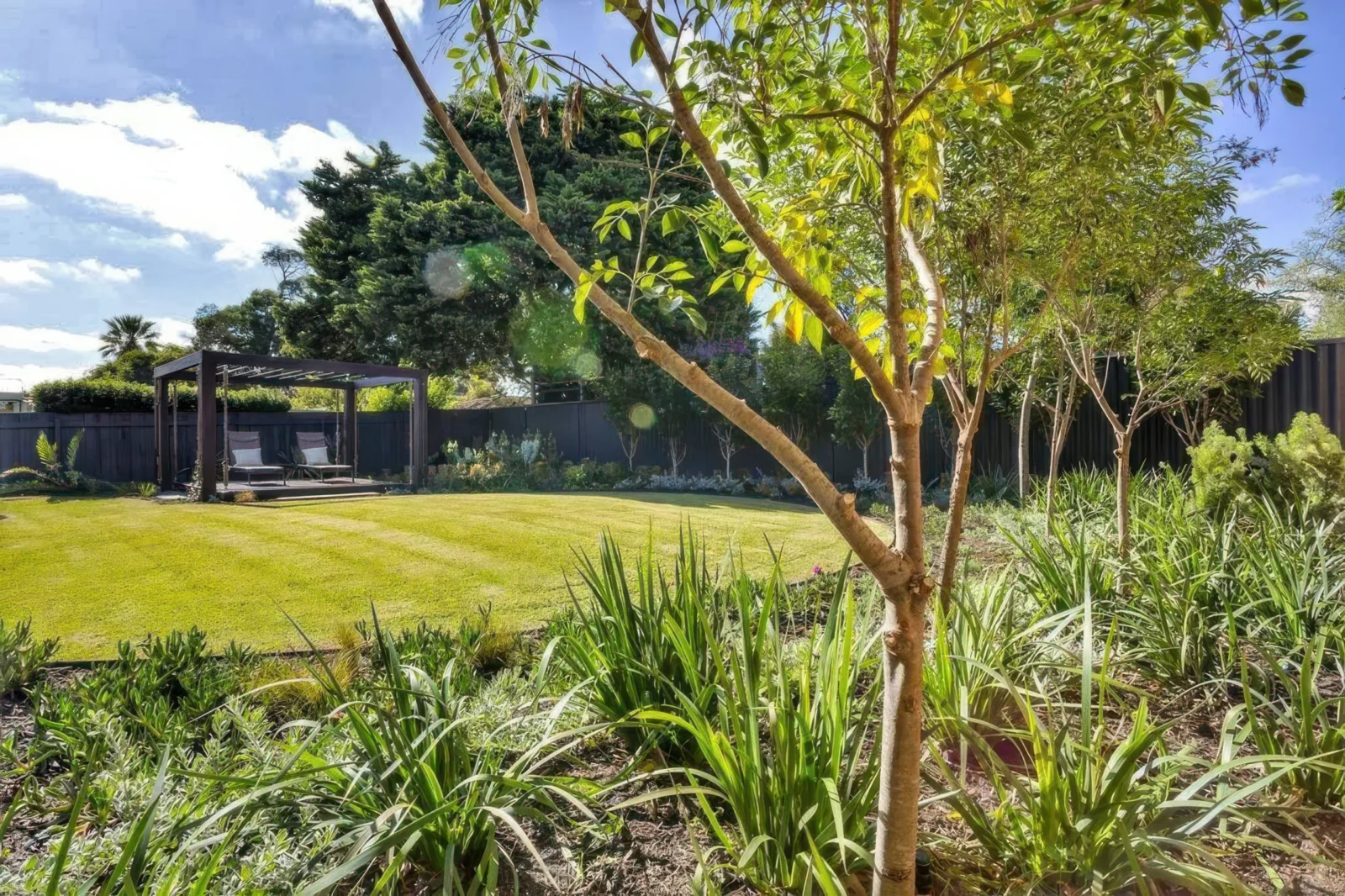
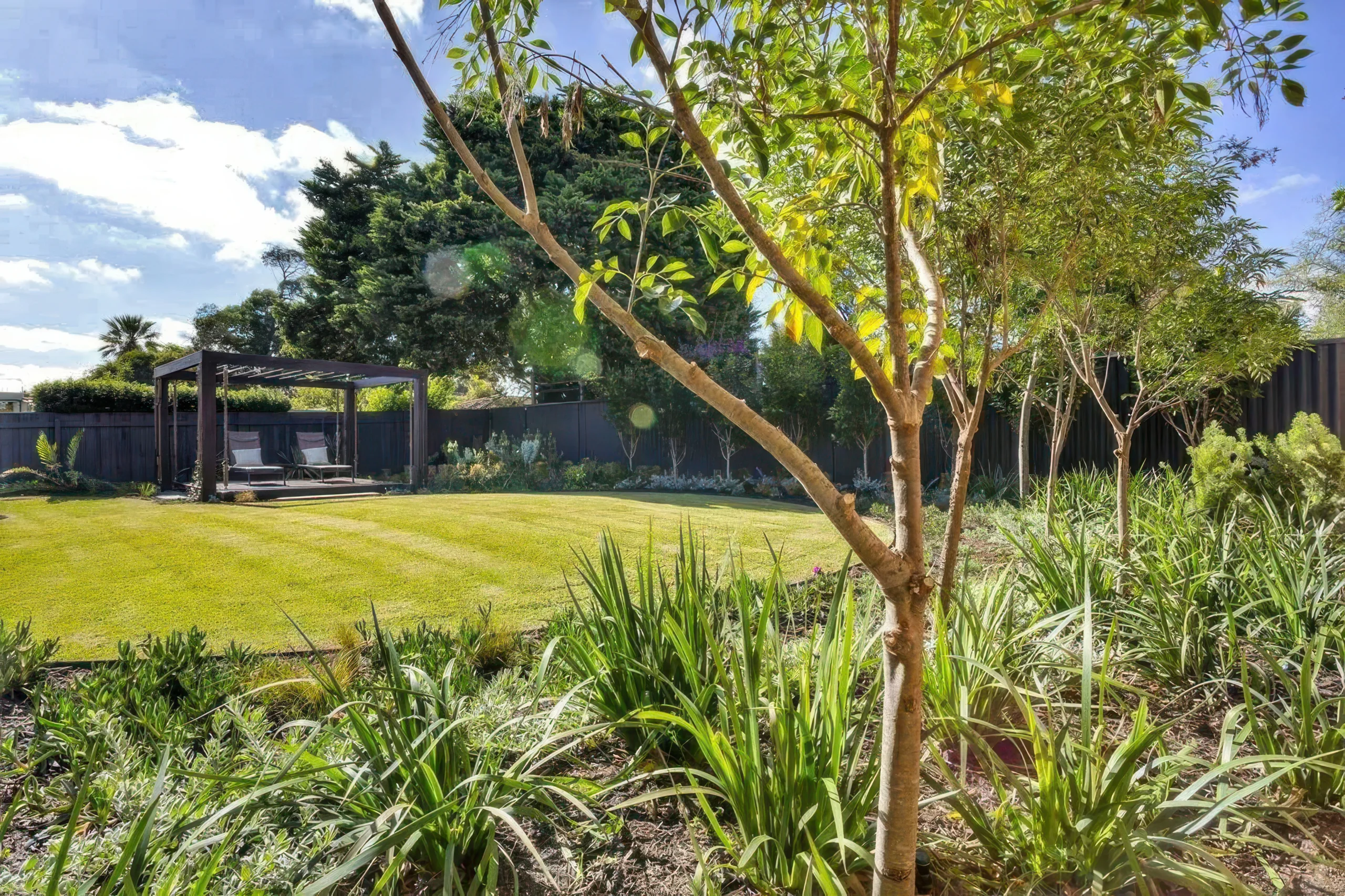
Perth, WA
2 years old
Sculpted Weathering Steel Edge with Pergola View
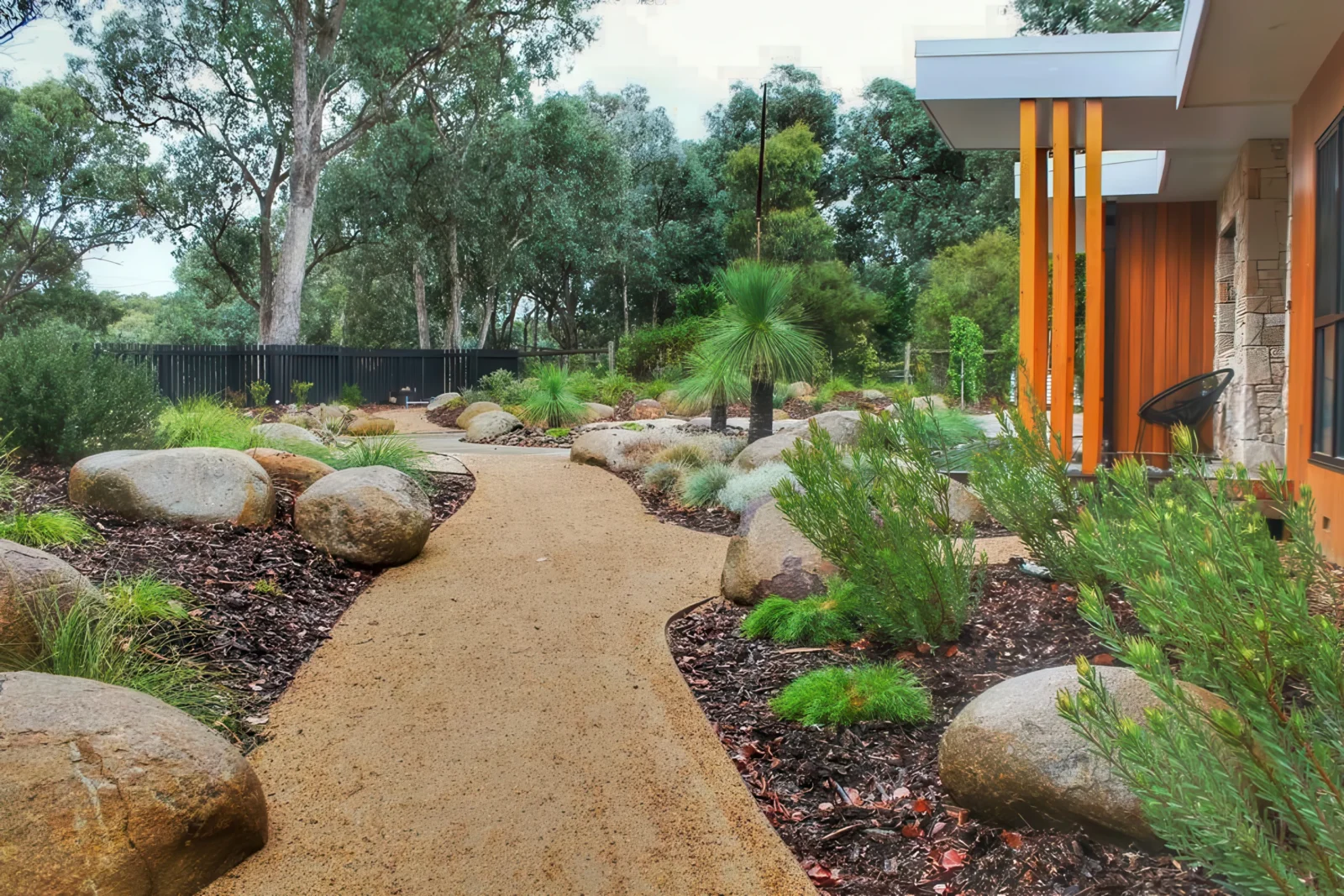
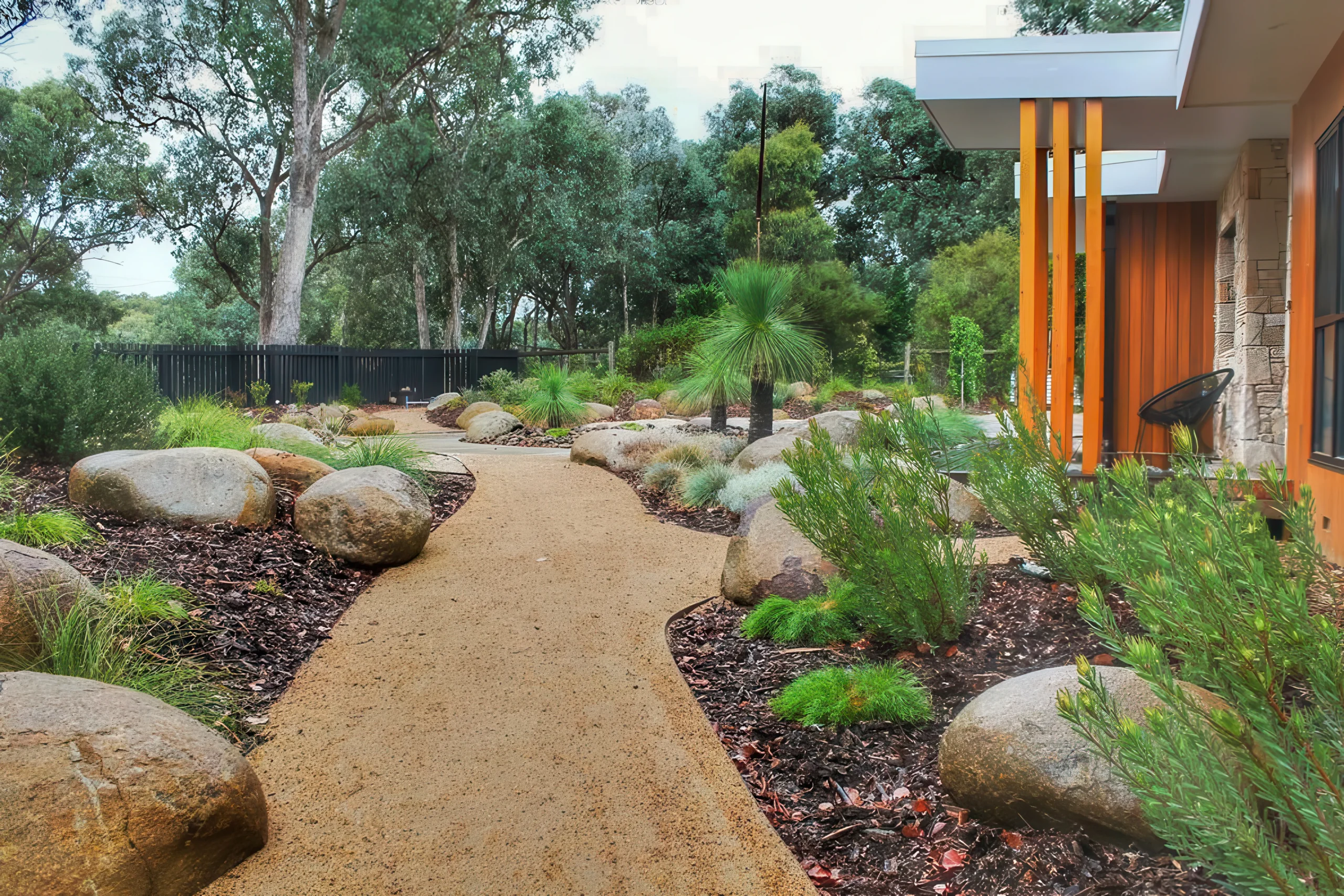
Adelaide Hills, SA
2 years old
Winding Path Through Native Planting
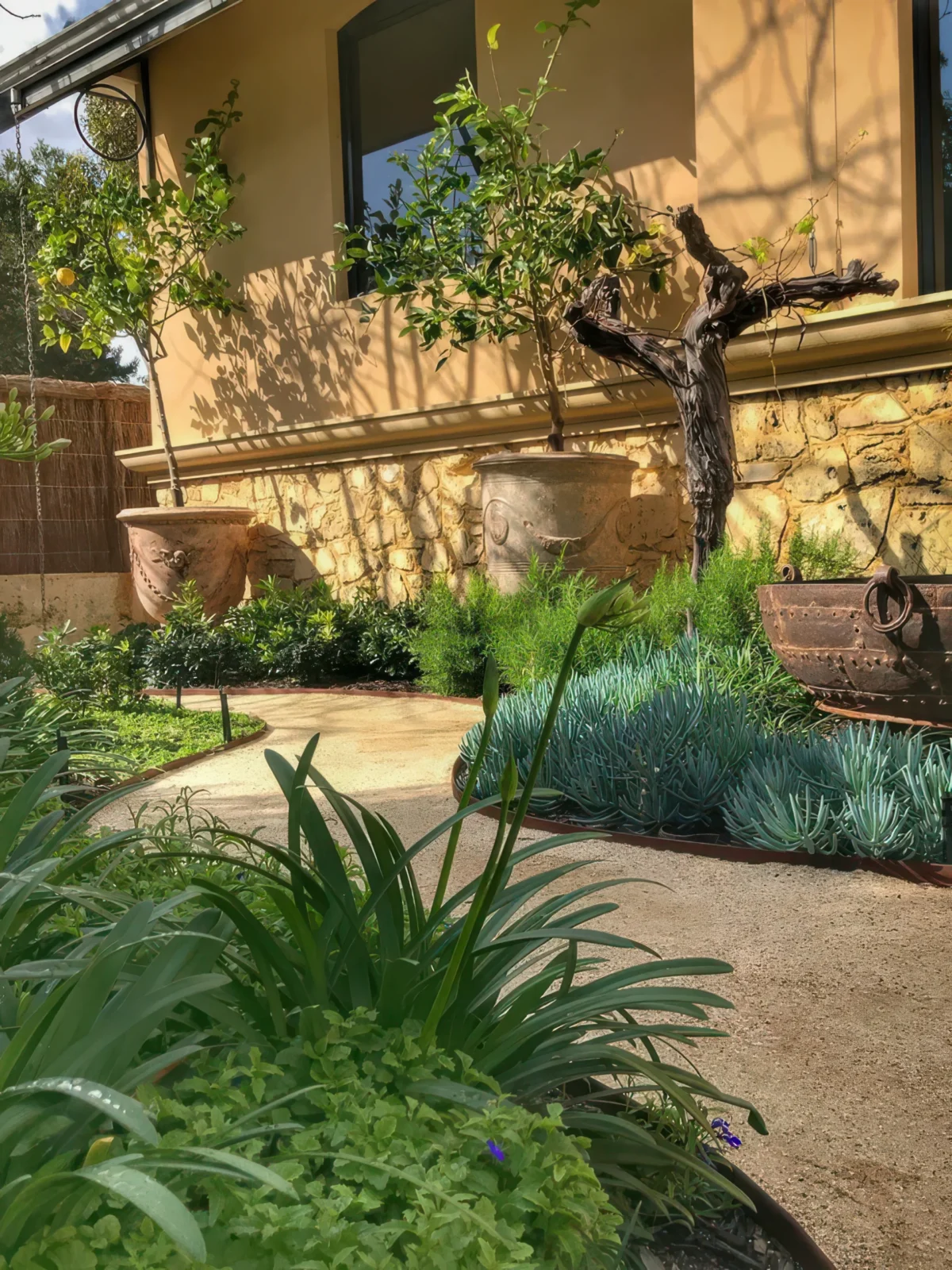
Fremantle, WA
3 years old
Mediterranean Courtyard with Subtle Weathering Steel Edge
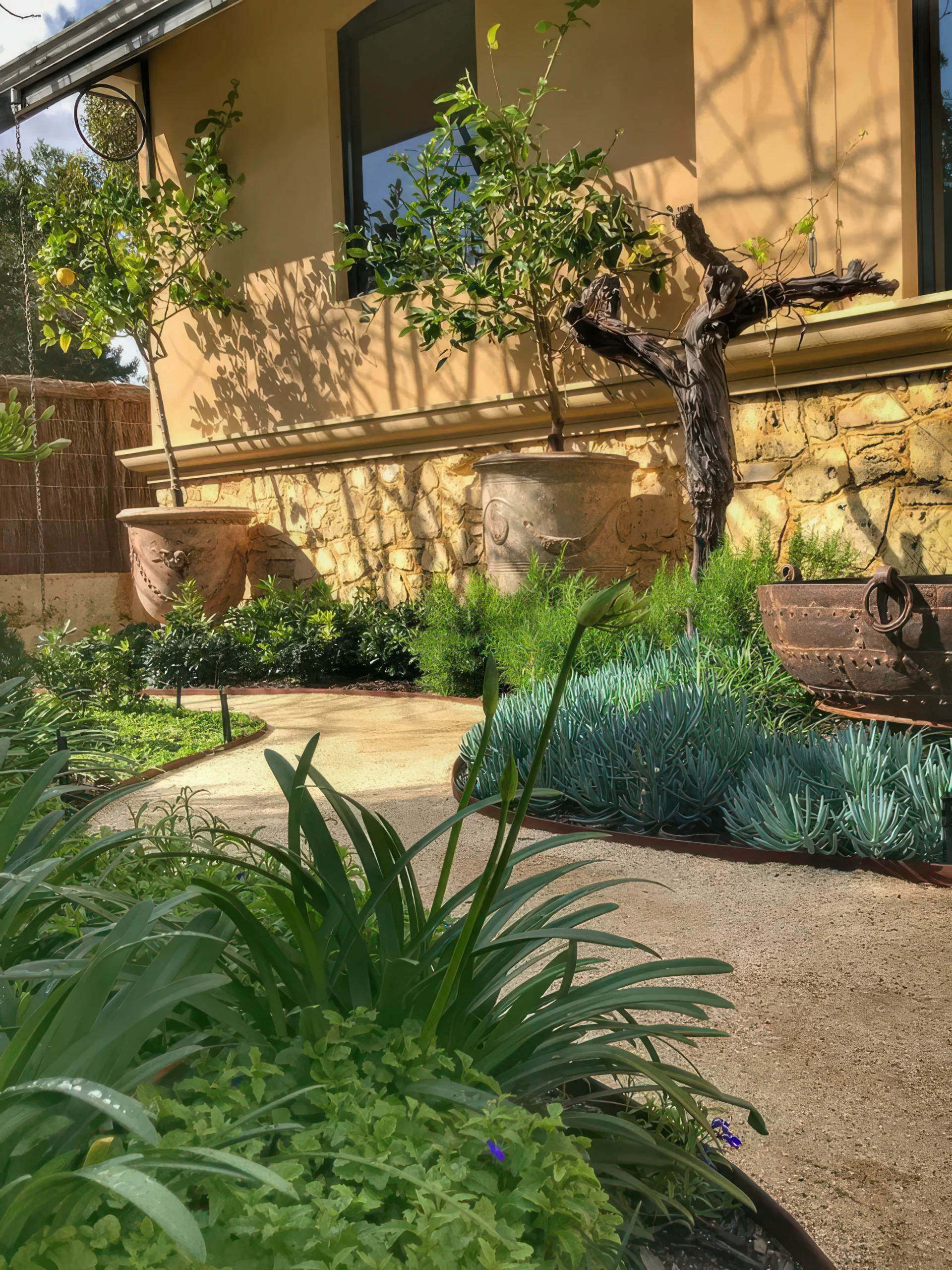
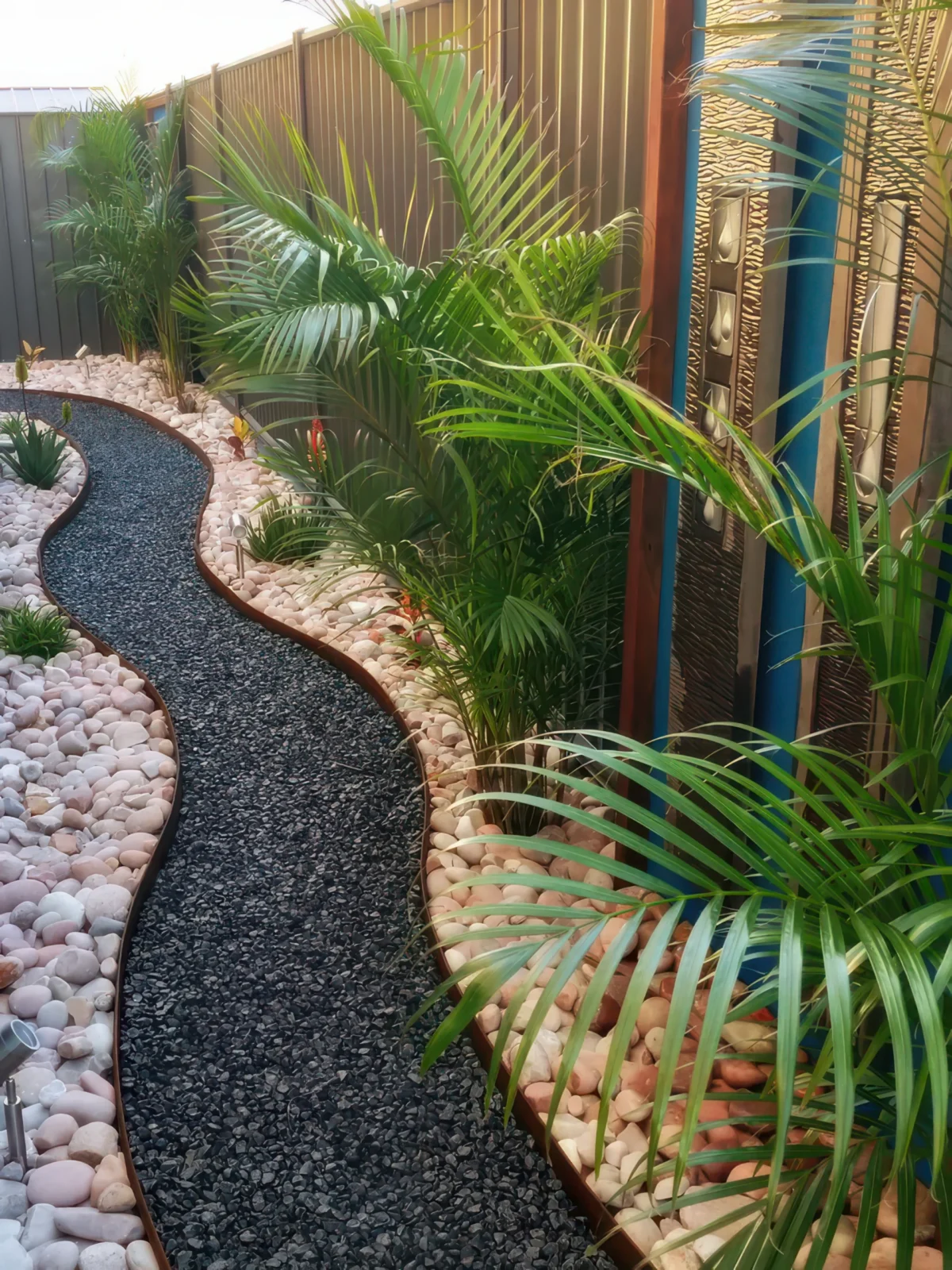
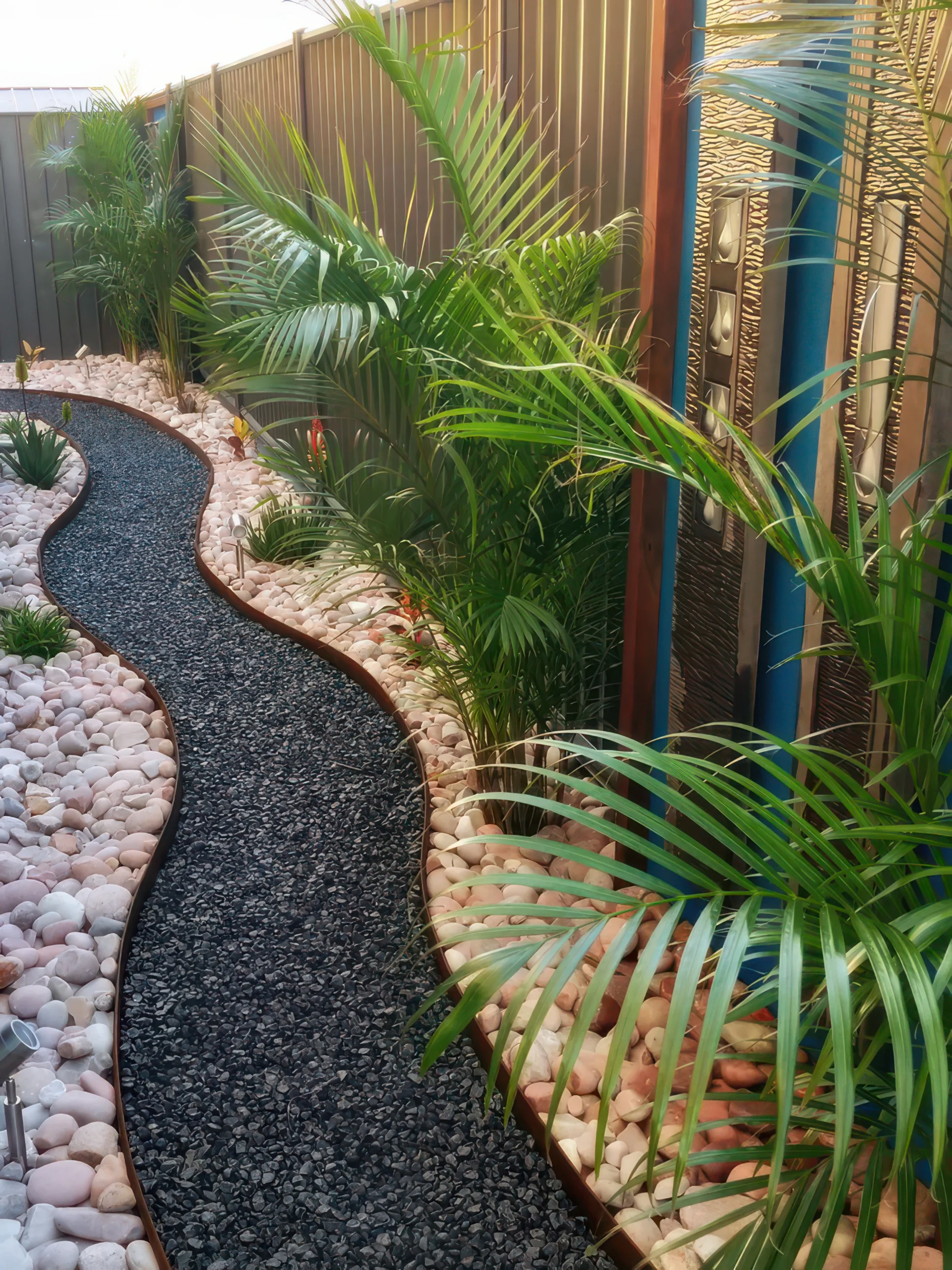
Serpentine Gravel Path Between Pebble Beds
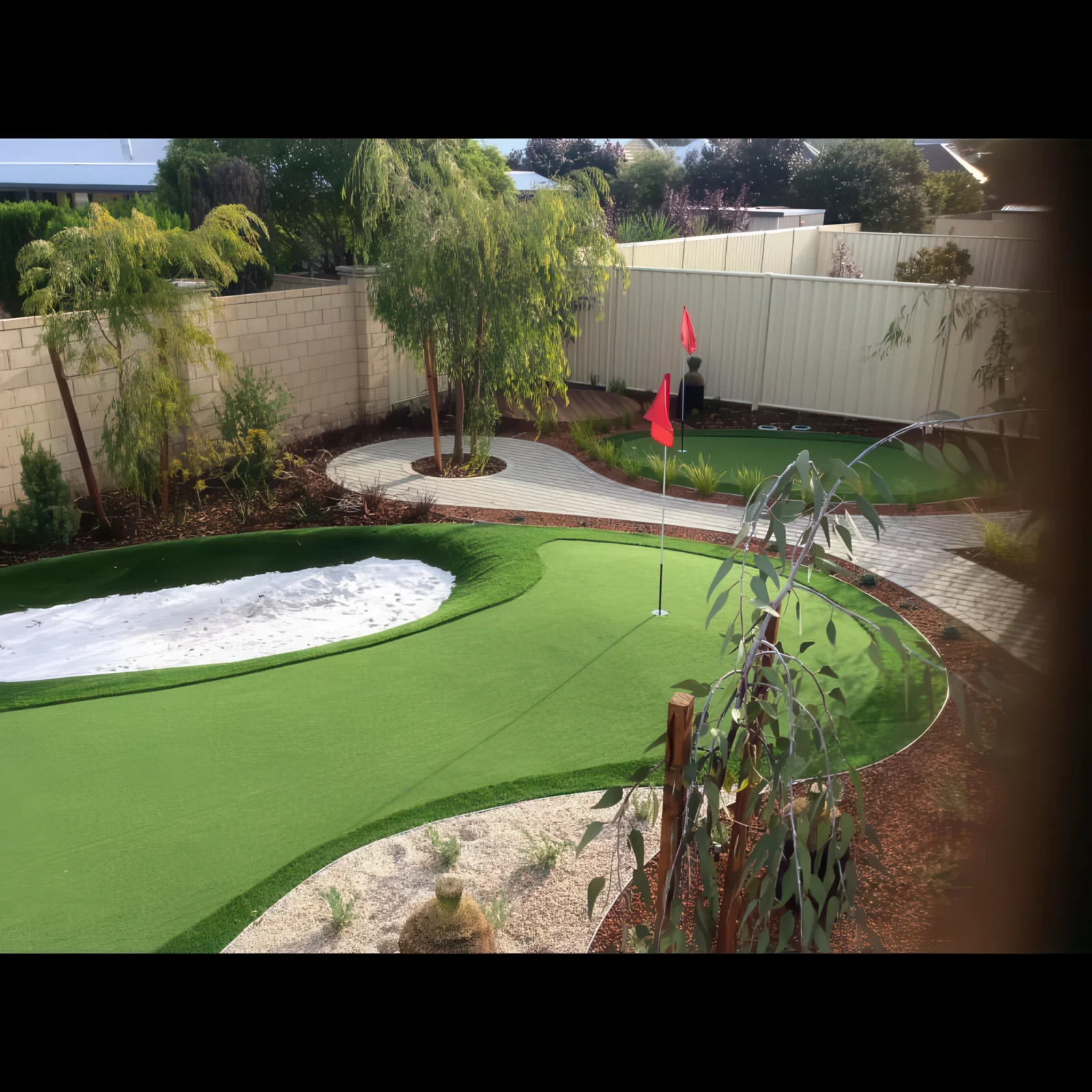
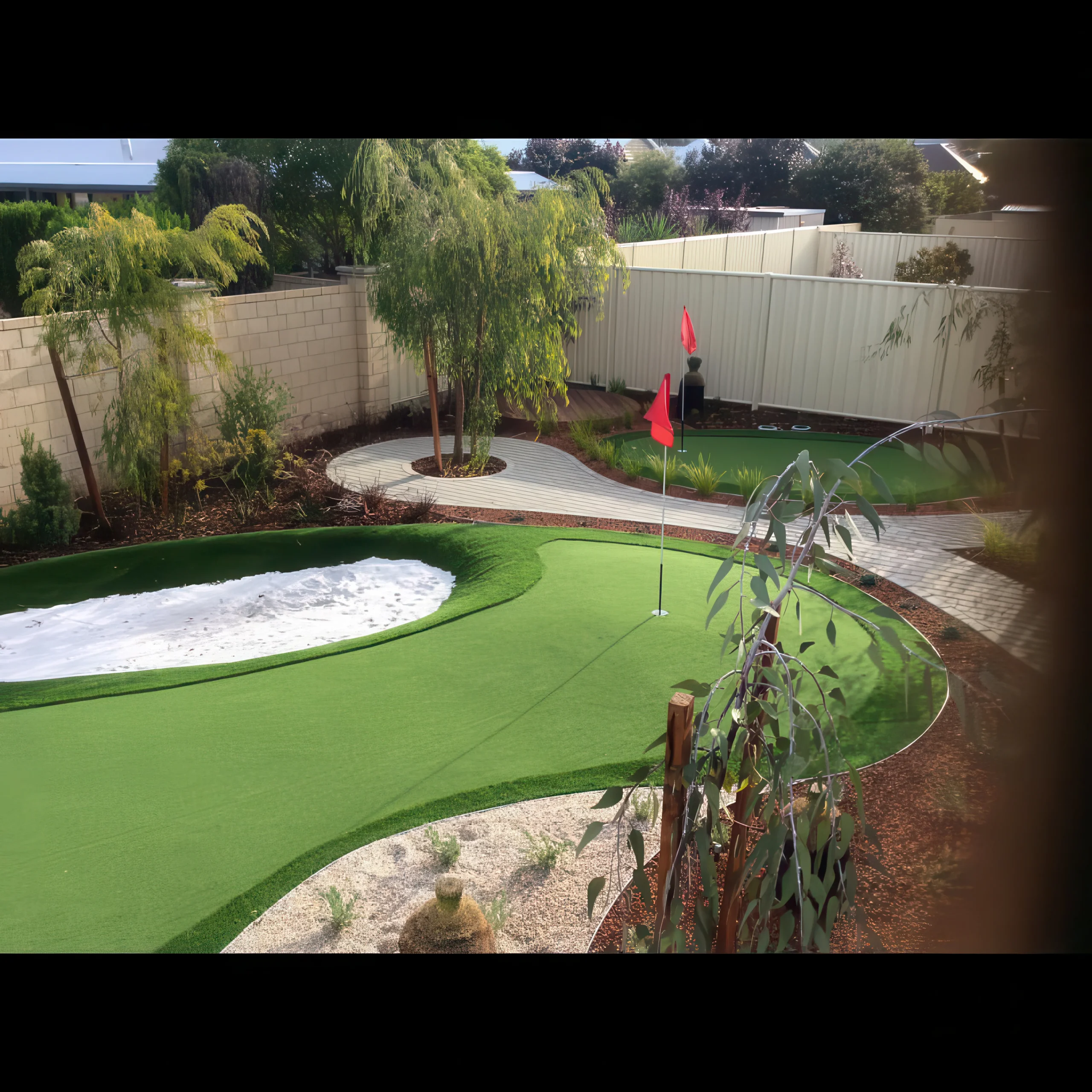
Yallingup, WA
2 years old
Backyard Putting Green with Weathering Steel Curves
More inspiration across every product line
Installation mastery
Watch. Learn. Install.
3x
Faster install
<1hr
For 10m install
5★
Trustpilot rated
Living material
How Weathering Steel Evolves
Straightcurve garden edging is made from weathering steel, also known as corten steel. It forms a stable protective patina rather than rusting through.
Driven by natural wet-dry cycles, this dense surface layer shields the steel beneath and slows further oxidation to a near standstill.
No two installations develop identically.
-
The Raw Starting Point
Dark, near-black surface from the mill-scale oxide layer. Surface variation across lengths is normal.
-
Breaking Through
Mill-scale breaks down, exposing steel beneath. Orange patches appear while other areas remain dark. This is entirely expected.
-
The Orange Phase
The entire surface transitions through shades of orange as the initial oxidation builds. Wet-dry cycles drive this process.
-
Warming and Deepening
Colour shifts from bright orange into reddish-brown tones. The patina becomes more consistent across the surface.
-
Finding Its Character
A deeper brown develops as the patina matures. The dense oxide layer dramatically slows further oxidation.
-
Rich and Settled
Deep, rich brown tone after multiple seasons. The protective layer is fully functional. No painting, no treatment required.
Freeze the Process
Various coatings are available off the shelf to halt the Weathering process of the steel. See our Longevity guide below.
Regional note
Salt air accelerates oxidation, leading to a slightly reduced lifespan unless additional maintenance is provided. Please refer to the Product Care and Longevity Guides. Another great option for Coastal Gardens is our range of Galvanised Steel.
Technical resources
Technical Resources
Product Catalogue
The complete products range. Heights, styles, finishes, specifications, and box set contents.
Longevity Guide
Understanding what determines the quality and longevity of your weathering steel product over time.
Product Care Guide
Practical guidance on maintaining weathering steel products for the best possible patina development.
Honest comparison
Steel vs Timber vs Plastic Garden Edging
| Feature | Straightcurve Steel | Timber | Plastic | |
| Material | 1.6mm precision-formed steel. 4mm safety tops. Up to 2200mm lengths. |
Varies. Softwood rots fast. Hardwood is expensive and still degrades. |
Lightweight. Expands and contracts, causing shifting and buckling. |
|
| Appearance | Clean lines. Discreet joins. Patina or contemporary matte grey. |
Natural initially. Greys, splits, softens over time. |
Can look artificial. Colour fades. Limited to black or green. |
|
| Installation | Hammer and spikes. Basic tools. One person. |
Cutting, treating, staking, screwing. Heavy sections need two people. |
Arrives coiled with memory. Difficult to lay flat. Pegs work loose. |
|
| Maintenance | Weathering steel self-protects as its patina forms. Protective coating optional. Galvanised needs virtually no upkeep. | Annual treatment recommended. Untreated timber rots from ground up. |
No treatment, but replacement every few years adds up. |
|
| End of life | Steel lasts longer. No disposal problem. No replacement cycle. |
Treated timber often cannot be composted. Landfill. |
Most garden plastic is not recyclable. Landfill. |
Steel edging is a larger upfront investment than plastic or timber.
But timber softens within a few years in damp British soil.
Plastic shifts, cracks, and fades.
Both need replacing, often more than once in a decade.
Straightcurve is engineered to be the last edging your garden will ever need.
Spread the cost across its lifespan and it is not the expensive option. It is the economical one.
Common questions
Common Questions
How deep should I bury the garden edging?
Flex and Rigid are designed to be mostly buried, with just the top edge visible.
This maximises the aesthetic finish and structural strength.
Zero-Flex only requires partial burying to hide the foot.
When mostly buried on a firm base with fill near flush to the top, it is impressively strong.
Which style should I choose: Flex, Rigid, or Zero-Flex?
Tight Curves: Flex. It flexes naturally without bending or pre-rolling.
Gentle curves & non-critical straight lines: Rigid.
Critical straight lines, immovable runs (paths, paving, formal borders): Zero-Flex.
Flex and Rigid are fully compatible within the same height, so you can combine both in a single project.
Will weathering steel stain my paving?
Yes.
During early patina development, run-off can leave residue on adjacent surfaces.
A slight separation between the edging and the pavers is recommended.
Once the patina is established, staining stops.
Can I install on a slope?
Yes. Flex works well across gentle slopes; the notches in the top allow slight lateral give to follow an incline naturally. However, the edge is no longer perpendicular and a curve is required.
Please reach out for Expert Advice.
For steeper slopes, consider step-ups using taller edging or raised beds.
Zero-Flex needs a smooth base (the base can be inclined, but must be even).
What tools do I need?
Flex, Rigid & Zero-Flex: a rubber mallet or a hammer, a cordless drill, a spade and a Tek screw bit. That is it.
An angle grinder is only needed if modifying lengths or creating custom corners.
Every set includes pre-attached connector plates and pegs.
How long does weathering steel garden edging last?
Weathering steel garden edging, also known as corten, is built to last for decades in typical UK garden conditions. The patina it forms is a stable, rust-toned layer that protects the steel beneath and slows further corrosion, rather than eating through it like ordinary steel. Lifespan depends on soil, drainage and how close you are to the coast. Our Longevity Guide explains what affects it and how to get the most from your edging.
Weathering steel or galvanised: which should I choose?
Both are excellent; it comes down to look and location. Weathering steel (also known as corten) develops a warm, rust-toned patina and suits most inland, well-drained gardens. For gardens within roughly 2km of the coast, weathering steel benefits from extra care, as airborne salt can interfere with patina formation; our Longevity Guide and Product Care Guide cover the steps that make the most difference. For a lower-maintenance option in coastal locations, galvanised steel is a practical alternative with a clean, contemporary grey finish.
Is the edging safe for children and pets?
Yes. Every profile has a rolled, folded top edge rather than a raw cut edge, so there’s no sharp lip along the top of the edging. It’s a key reason Straightcurve is chosen for family gardens, play areas and lawns where children and pets are about.
Can I use Straightcurve as lawn edging?
Yes. Straightcurve works as a clean lawn edge as well as garden border edging. Set the top edge flush with the turf and you can mow straight over it for a crisp lawn edge, with no strimming along a hard lip. Flex follows curved lawns; Rigid and Zero-Flex keep formal lawns dead straight.
BEYOND THE GARDEN
Built for a Longer Game
Straightcurve is part of The Ignition Chamber, an Australian company that builds vertically integrated climate infrastructure companies. Each one funds what comes next.
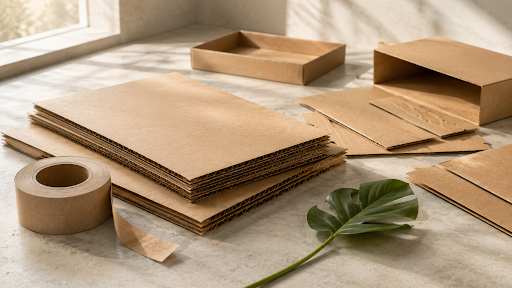
Circular Design
Zero plastic packaging
Two years of R&D replaced every piece of foam and plastic with waterproof cardboard and compostable tape.
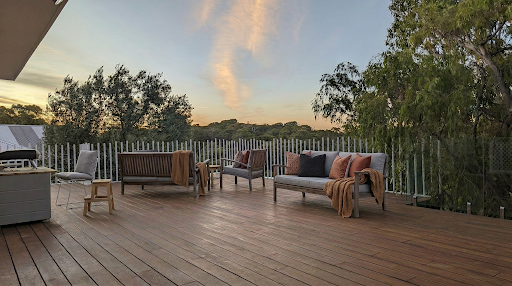
Carbon Capture
Essier bamboo decking
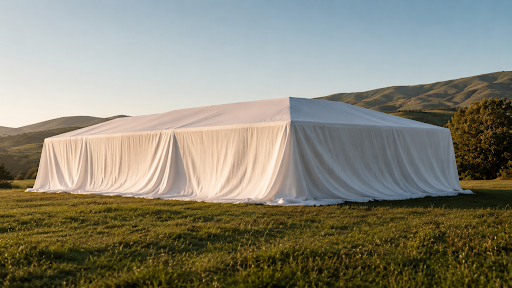
Bamboo boards that are 60% carbon negative, returned at end of life for permanent underground storage.
Climate Housing
Elysium Living
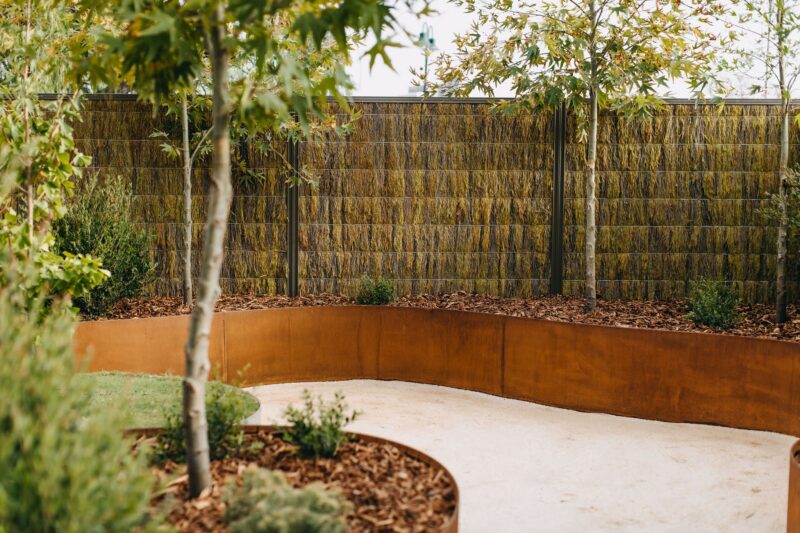
Homes designed to be carbon negative to build, energy positive to live in, and globally deployable.
Why a garden company builds houses
Straightcurve was the first company built inside The Ignition Chamber. The lessons from scaling it across seven countries are now being applied to carbon-negative housing.
Straightcurve started with a redesign of steel garden edging. No welding. No specialist tools. Professional results from a single modular system. But scaling globally meant confronting harder questions. Weathering steel corrodes over time. Packaging depends on plastic. Every product sold is ore pulled from the ground in a form that never comes back.
Two years and hundreds of thousands of dollars later: protective coatings that keep all steel intact for recycling. Cardboard waterproofed with organic oil instead of plastic film. A product genuinely designed for recovery and reuse.
The same stubbornness produced Essier, bamboo decking that is 60% carbon negative. And Elysium, housing designed to remove carbon from the atmosphere. Each company funds what comes next.
Ready to start
One Afternoon. Decades of Perfection.
Choose your edging and order online, or get in touch for personalised project advice.