3
Heights
240, 400, 560mm
3
Styles
Flex, Rigid, Zero-Flex
2.0mm
Steel
Precision-formed
ZERO
Burying
Sits on surface
Modular
System
Heights combine
2
Finishes
Weathering + Galvanised
Join thousands of successful installations
Configure Your Raised Garden Beds
Required Bracing Options
Optional Accessories
Current Selection
Important
- Flex requires 2x bracing sets or posts per panel (except for circles)
- Rigid requires 2x bracing sets or posts per panel
Included per panel
Total Meterage
0m
Estimated Total incl. VAT
$0.00
Proven Excellence
From First Bed to Full Kitchen Garden.

Paul Greenyer
Founder, InsideOut Home & Garden Improvements · Sussex
"We used Straightcurve extensively in our ‘Reflections’ garden, where its versatility helped us create bespoke construction details within a highly engineered build. Adaptable, straightforward to install once understood, and delivers a sharp, contemporary finish."
20+
Years in landscaping
5
APL Awards 2025
T.E.
Gardening company · UK
"Great experience with Straightcurve ordering and installing some custom size raised bed. We were given clear installation instructions and the team were on-hand to answer any questions we had."
5★
Trustpilot verified
Custom
Built to size
Anna Neal
DIY home gardener · UK
"Quick delivery, helpful emails before and after offering support and guidance. Product simple to use and set up. Did it all on my own."
5★
Trustpilot verified
Solo
DIY install
curated inspirations
Find Your Style
Click any garden to see the exact products used. Each curve tells a story
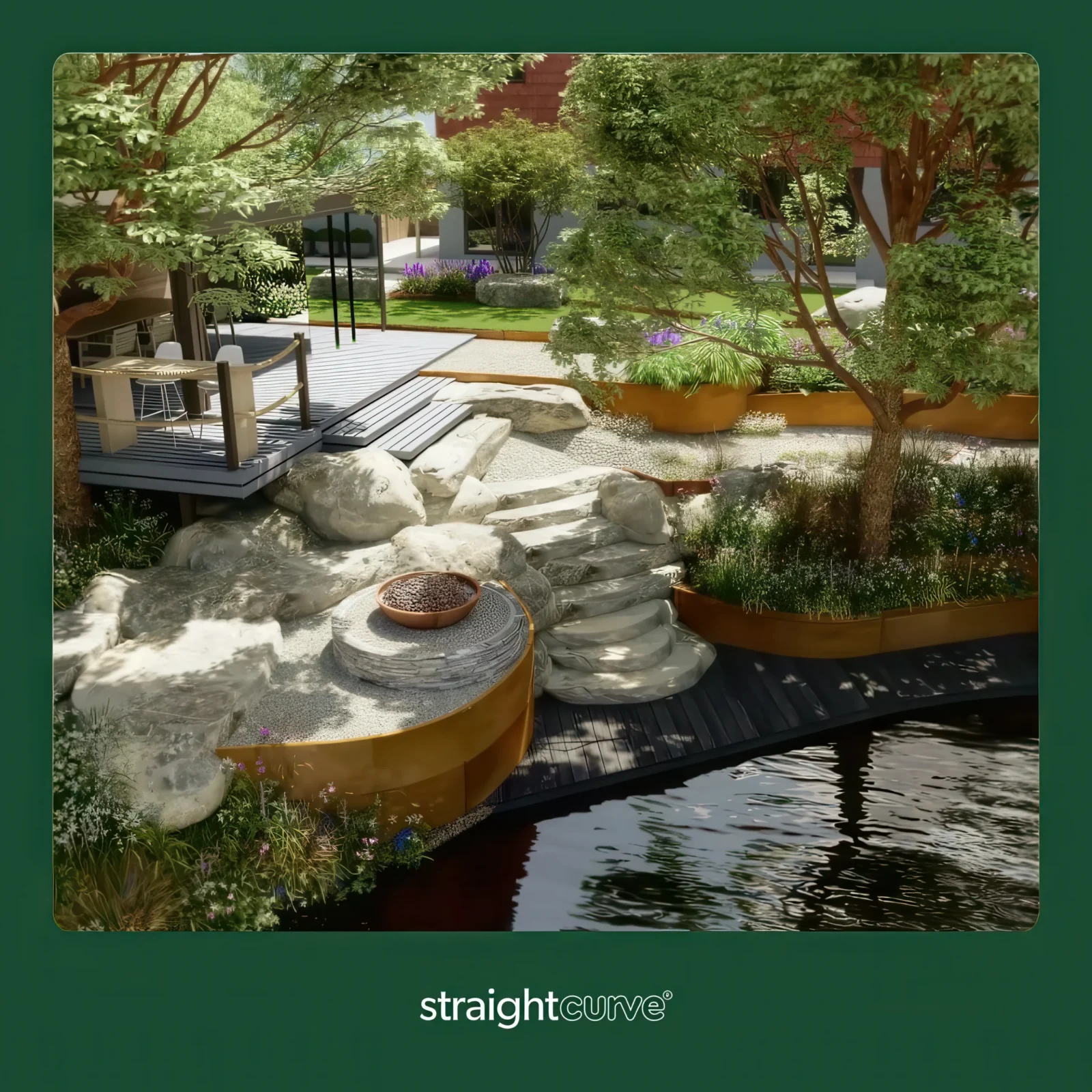
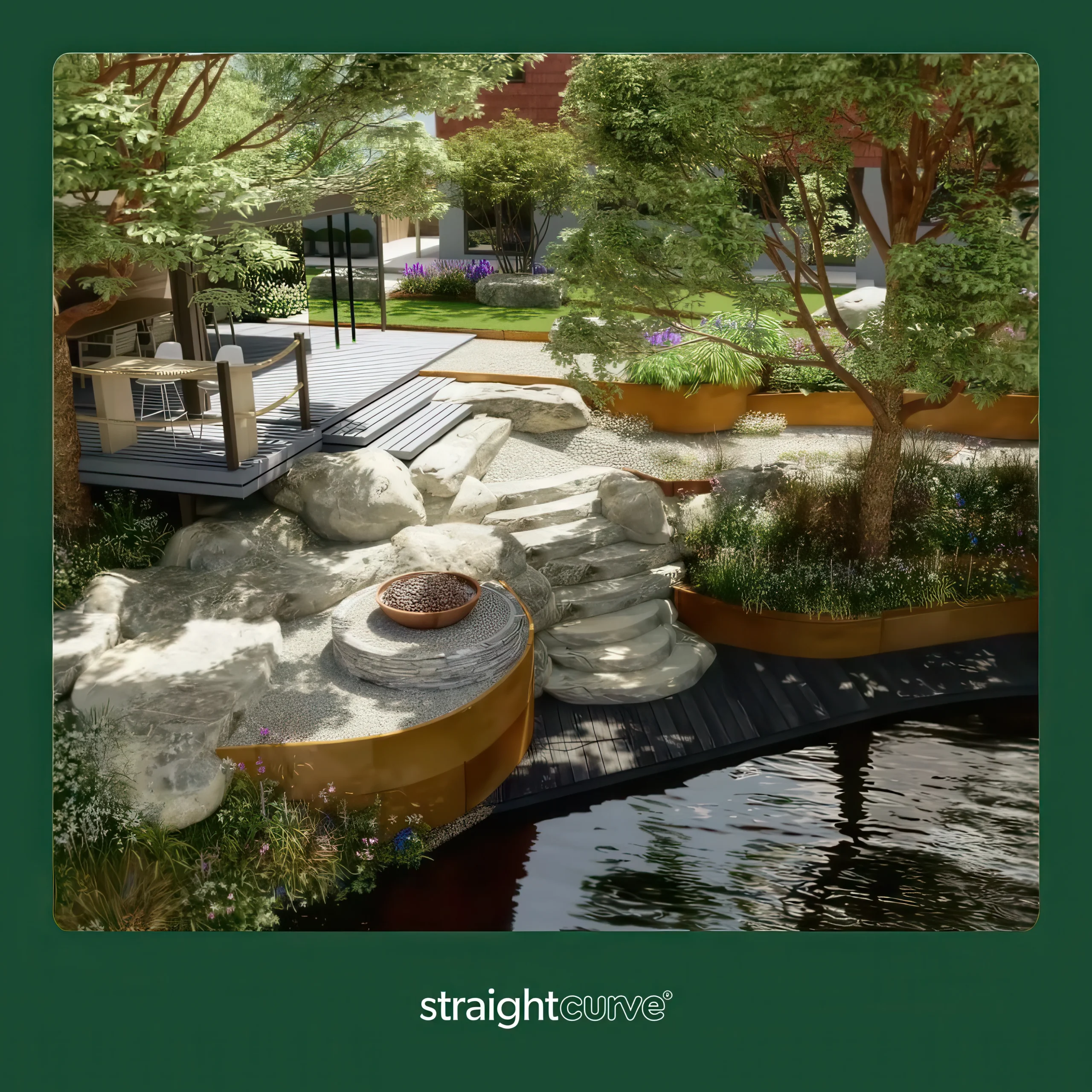
Show Garden with Weathering Steel and Water Feature
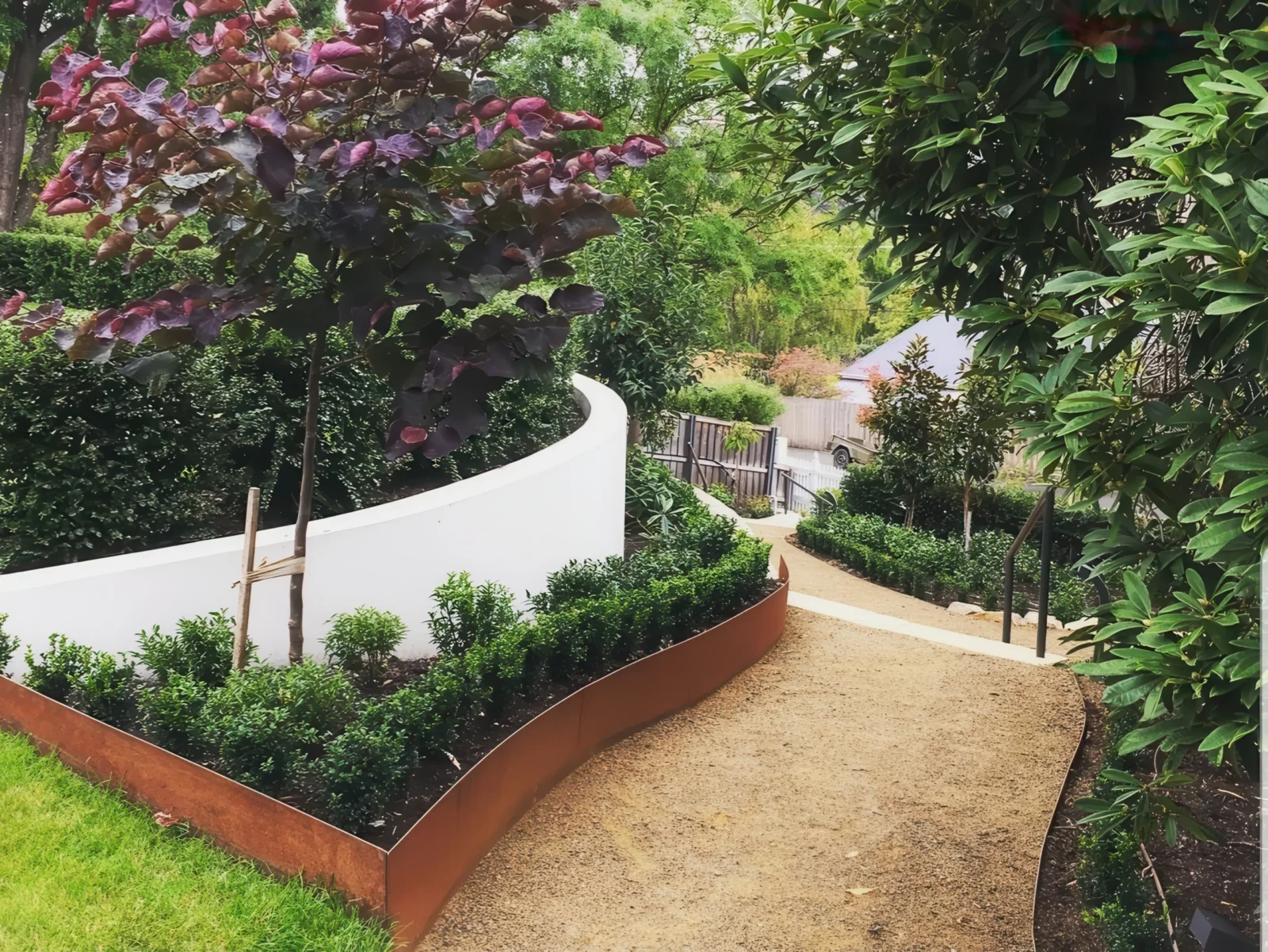
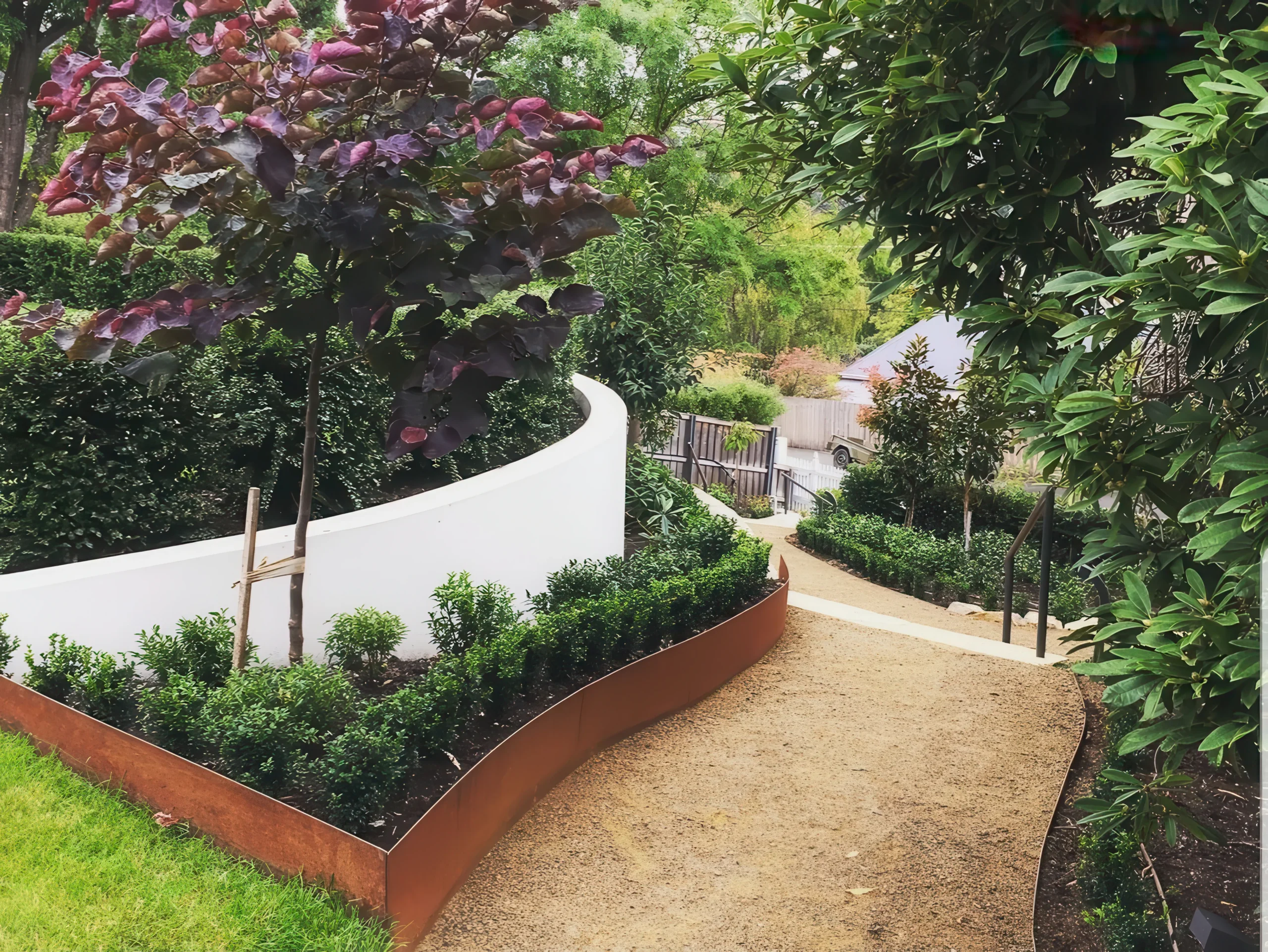
Melbourne, VIC
2 years old
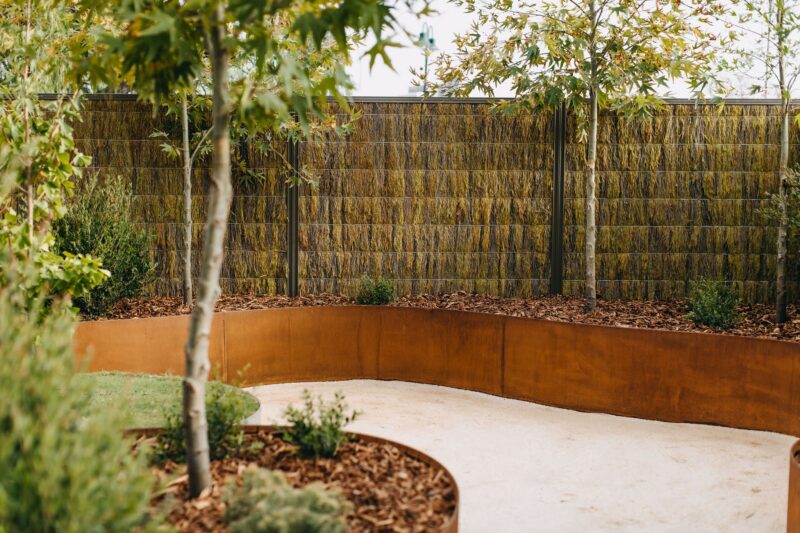
Curved Raised Weathering Steel Beds Framing a Path
Dunsborough, WA
2 years old
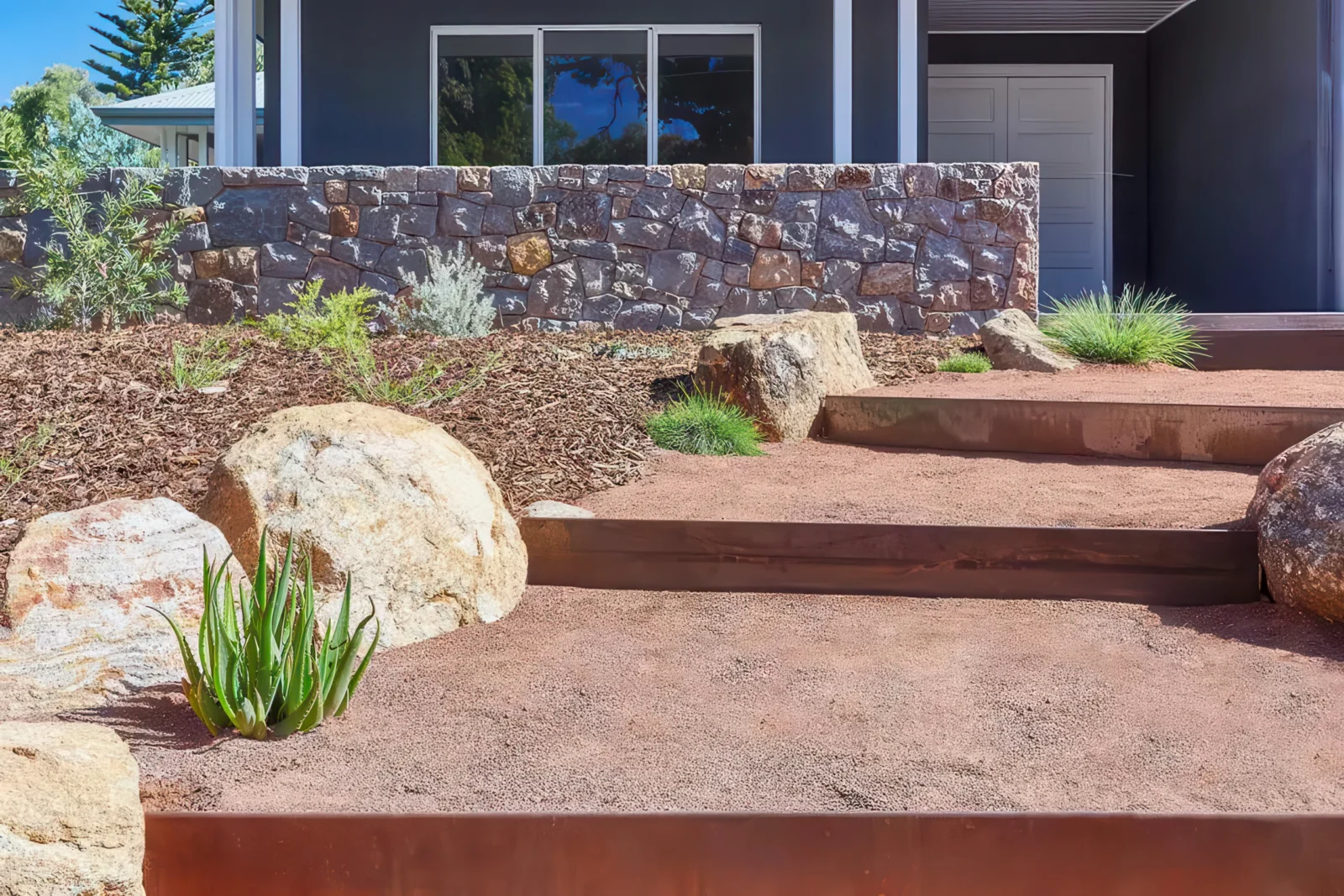
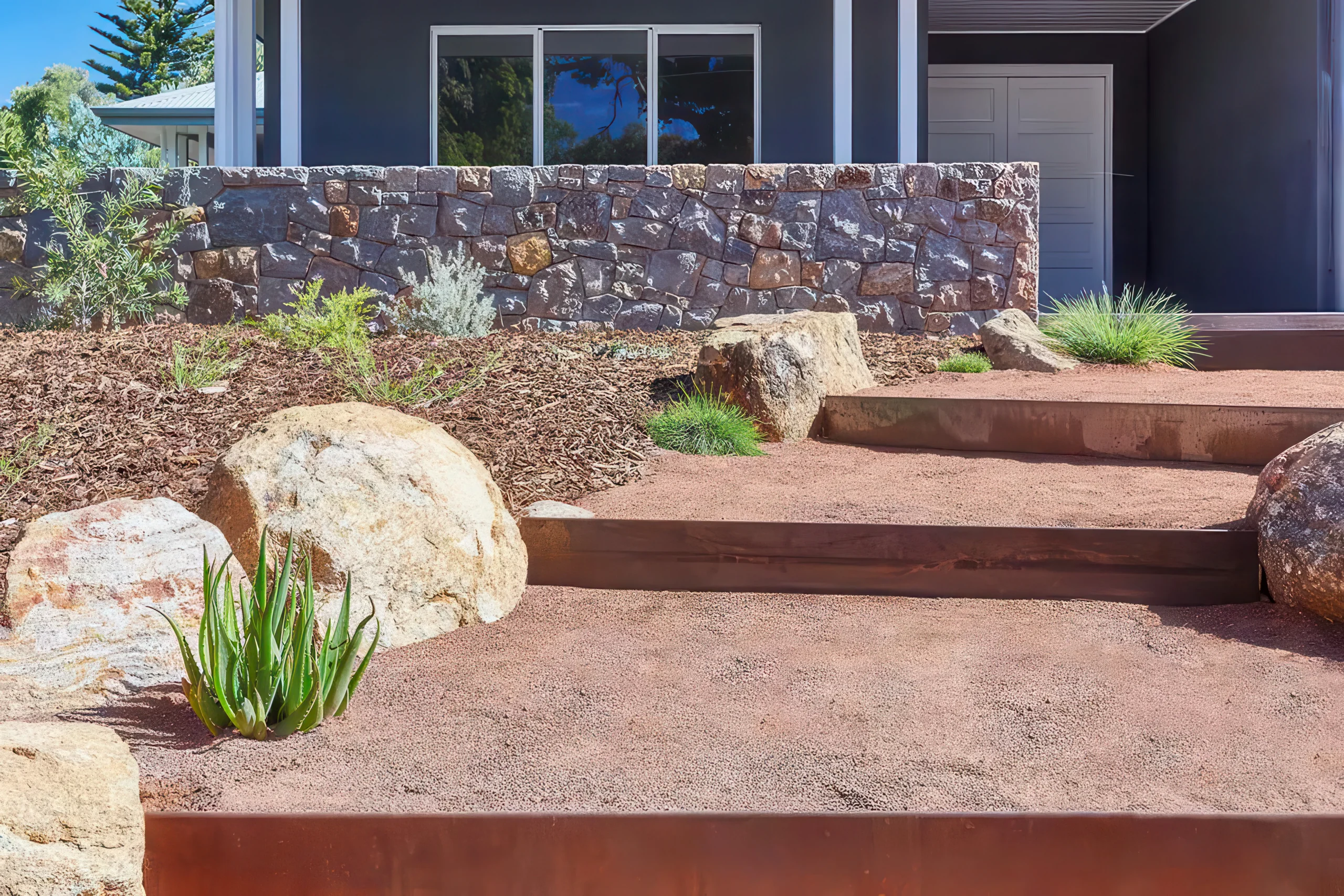
Terraced Weathering Steel Steps and Granite Boulders
Noosa, QLD
2 years old
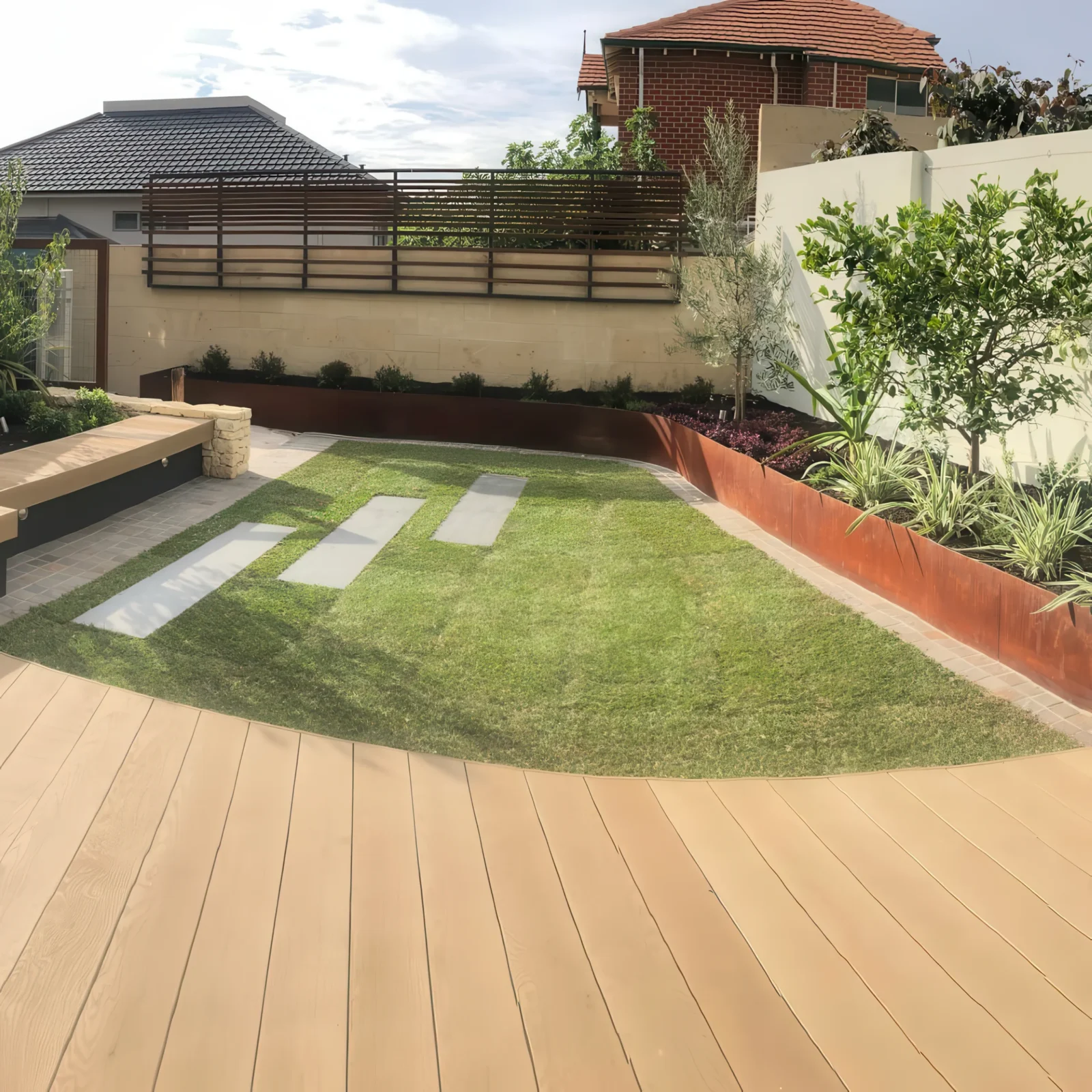
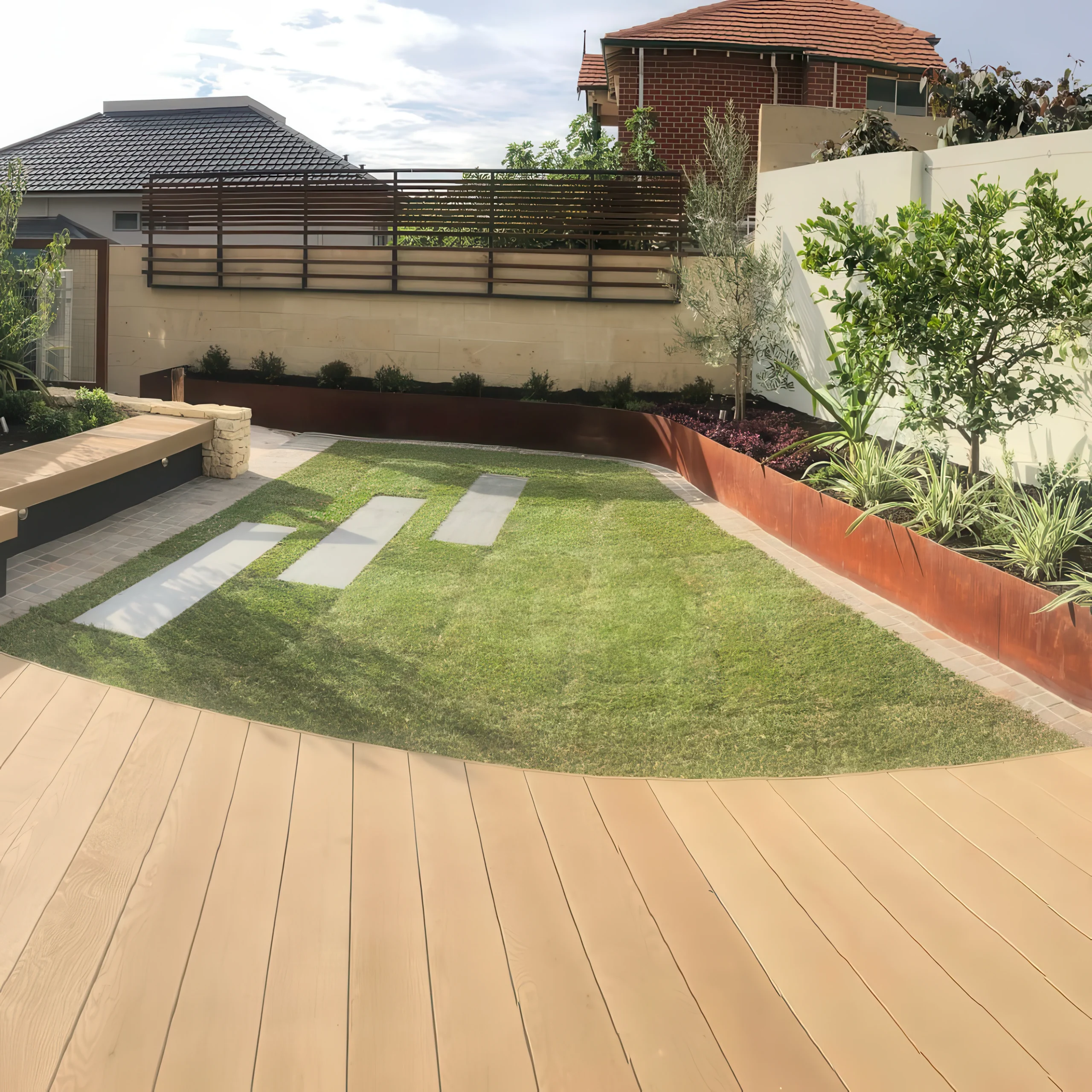
Courtyard with Decking and Weathering Steel Borders
Brisbane, QLD
2 years old
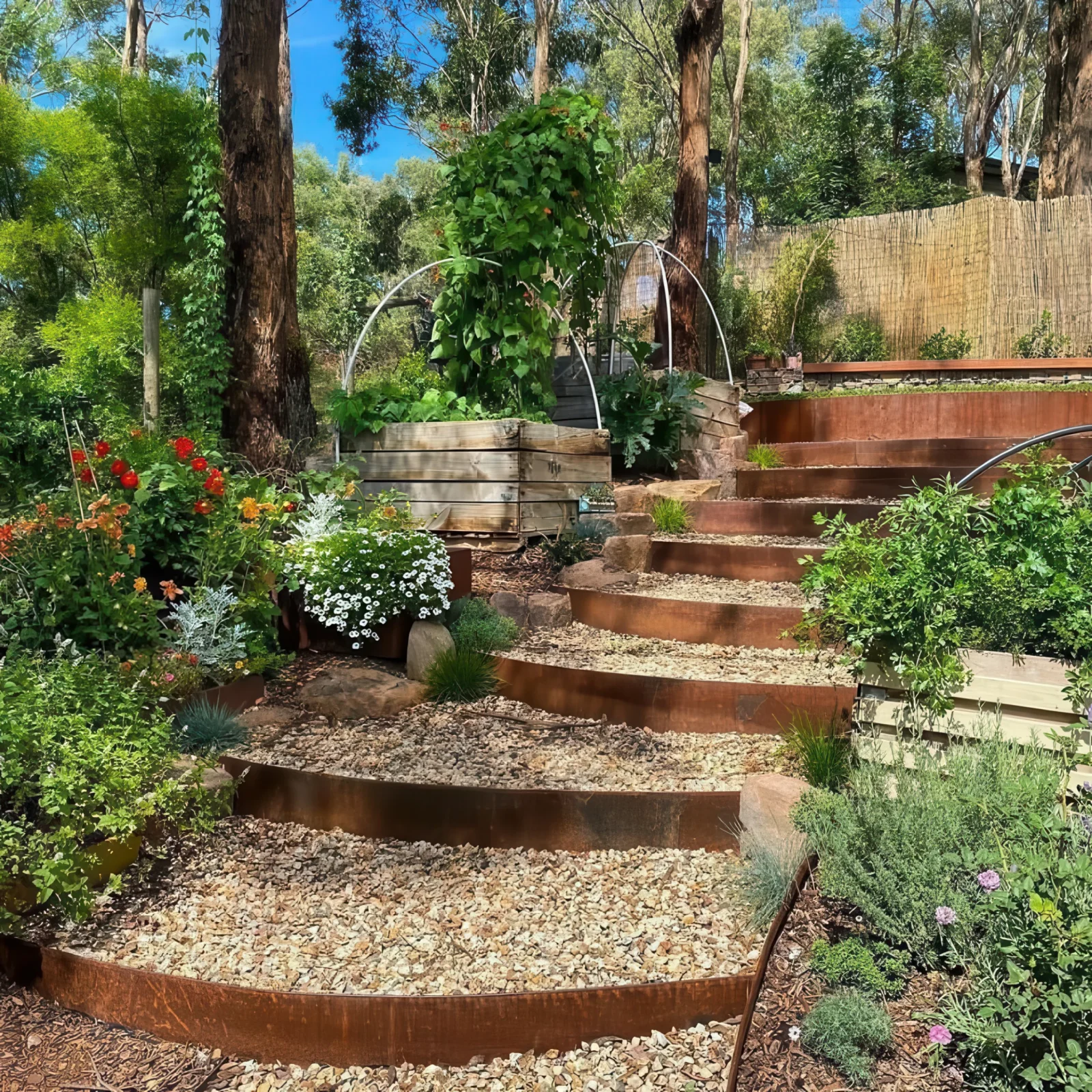
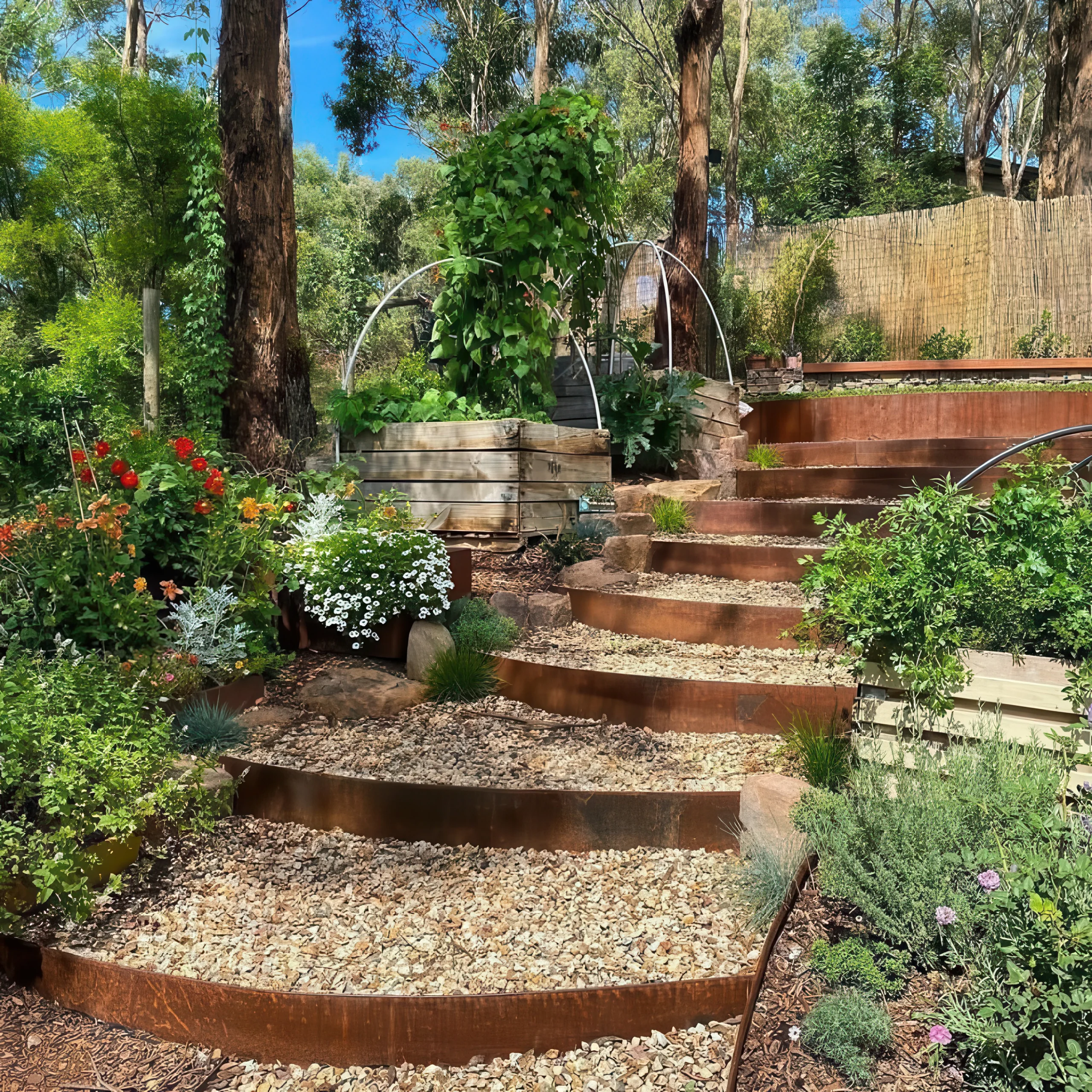
Winding Weathering Steel Steps Through a Forest Garden
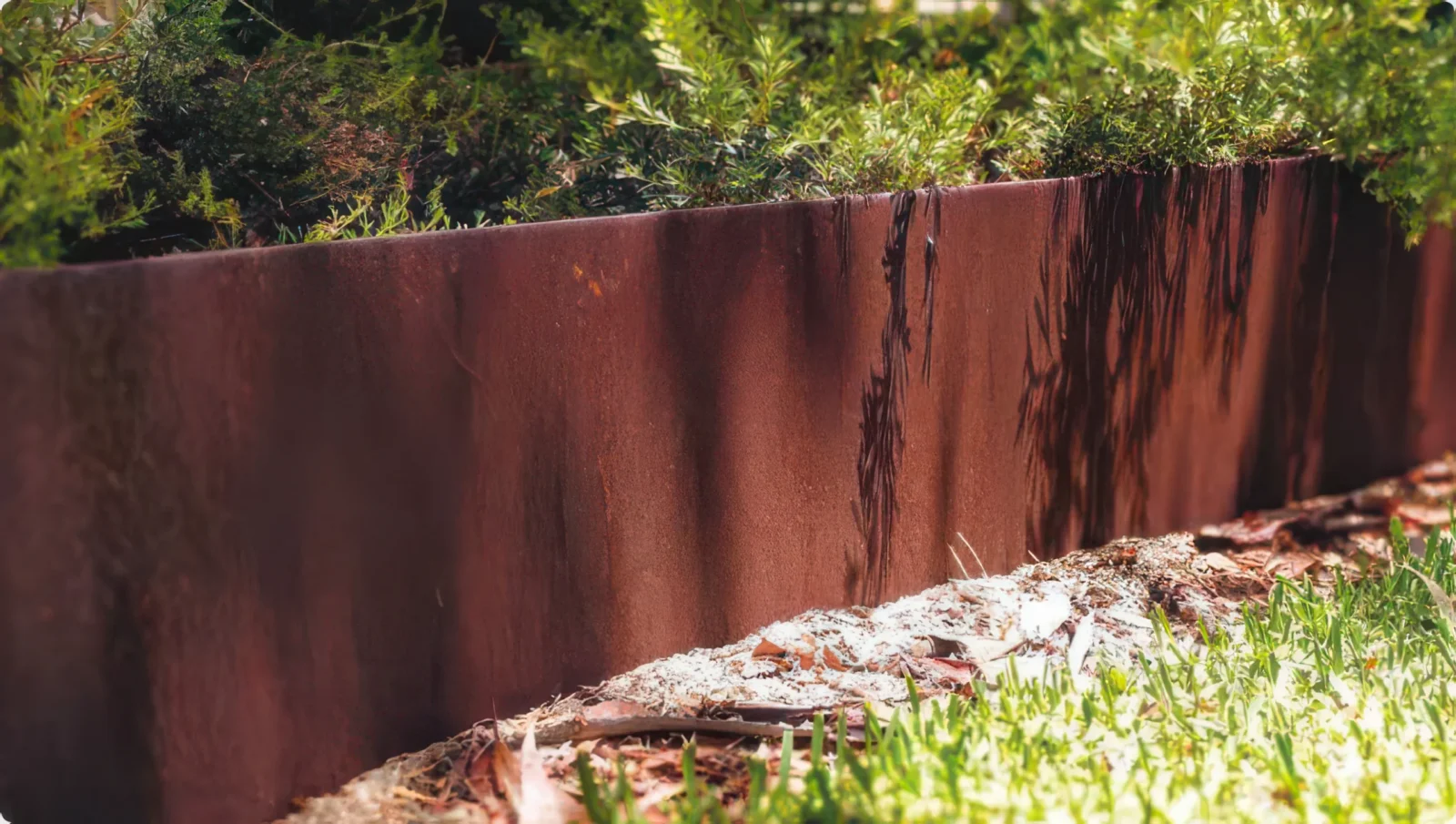
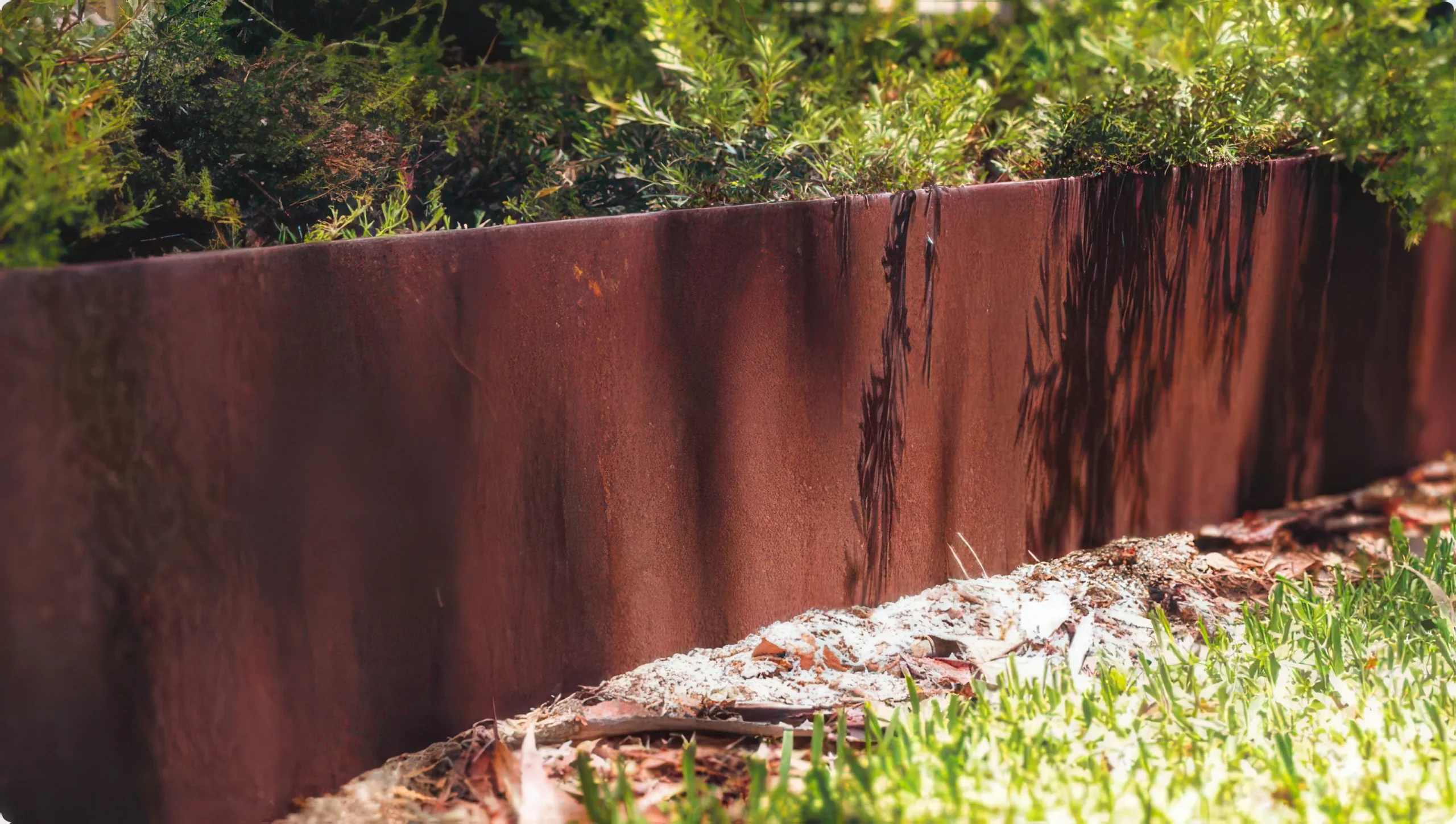
Tall Weathering Steel Retaining Wall, Close-up
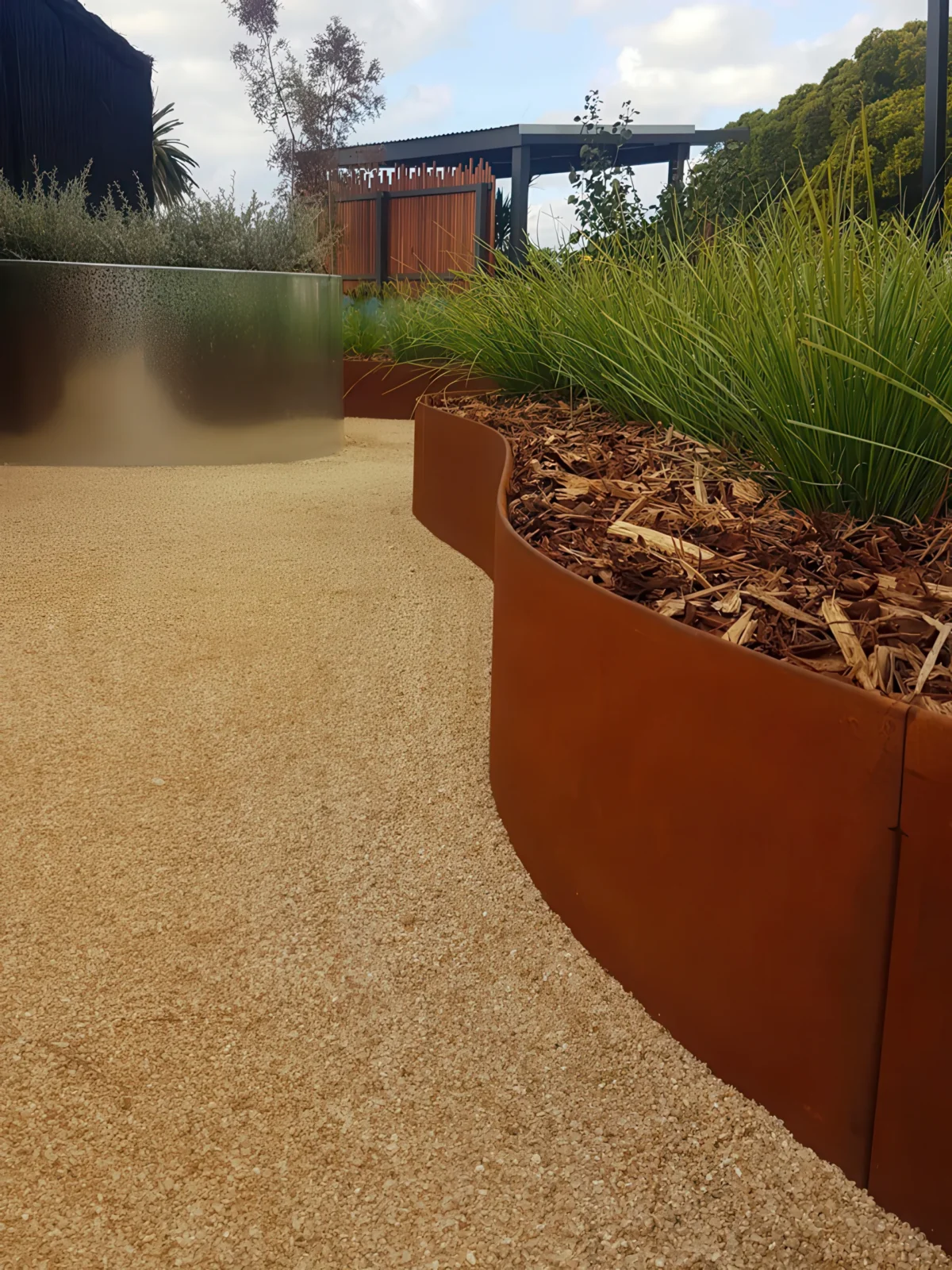
Perth, WA
2 years old
Tall Raised Bed Beside a Galvanised Round Planter
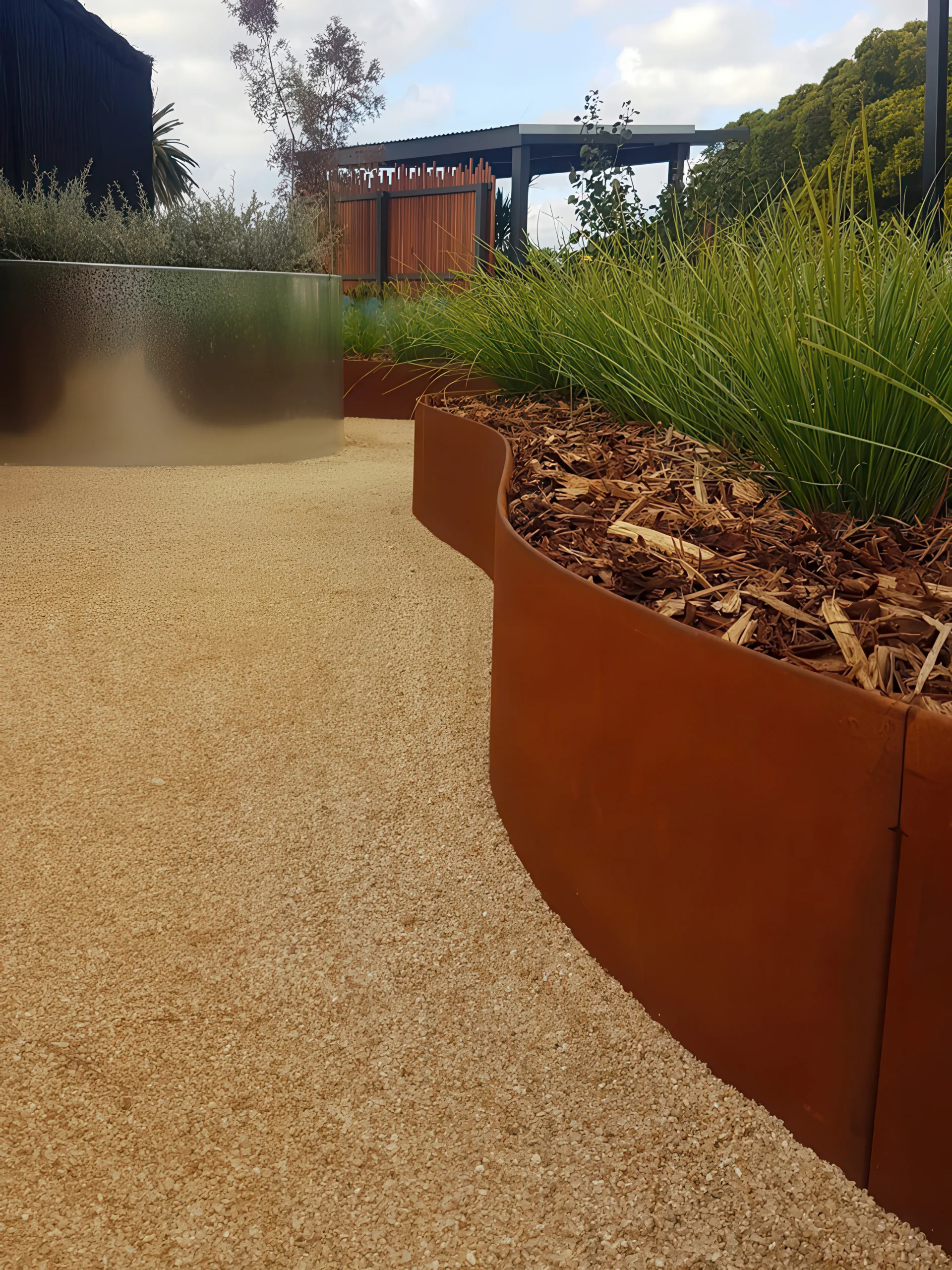
Adelaide, SA
1 year old
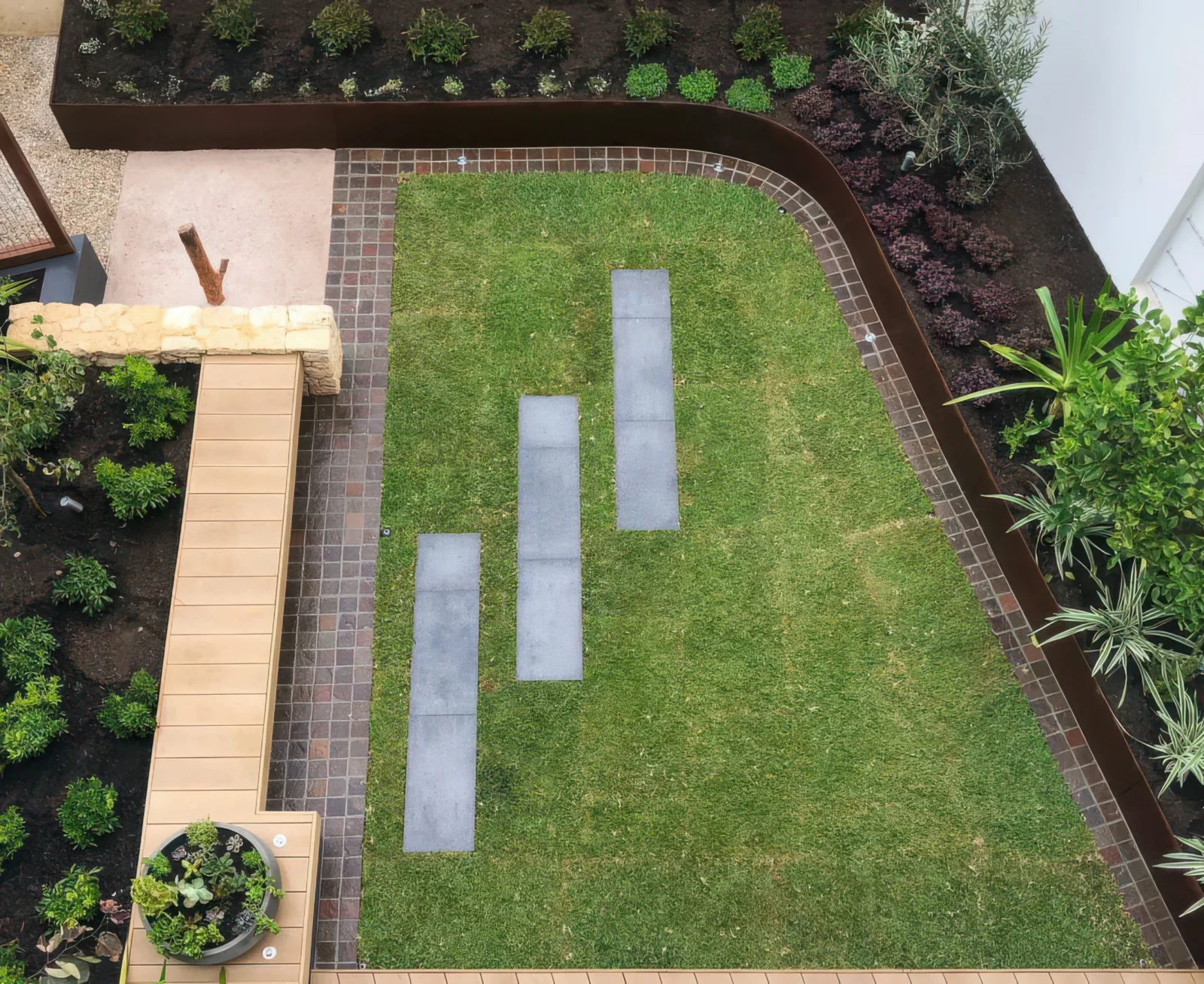
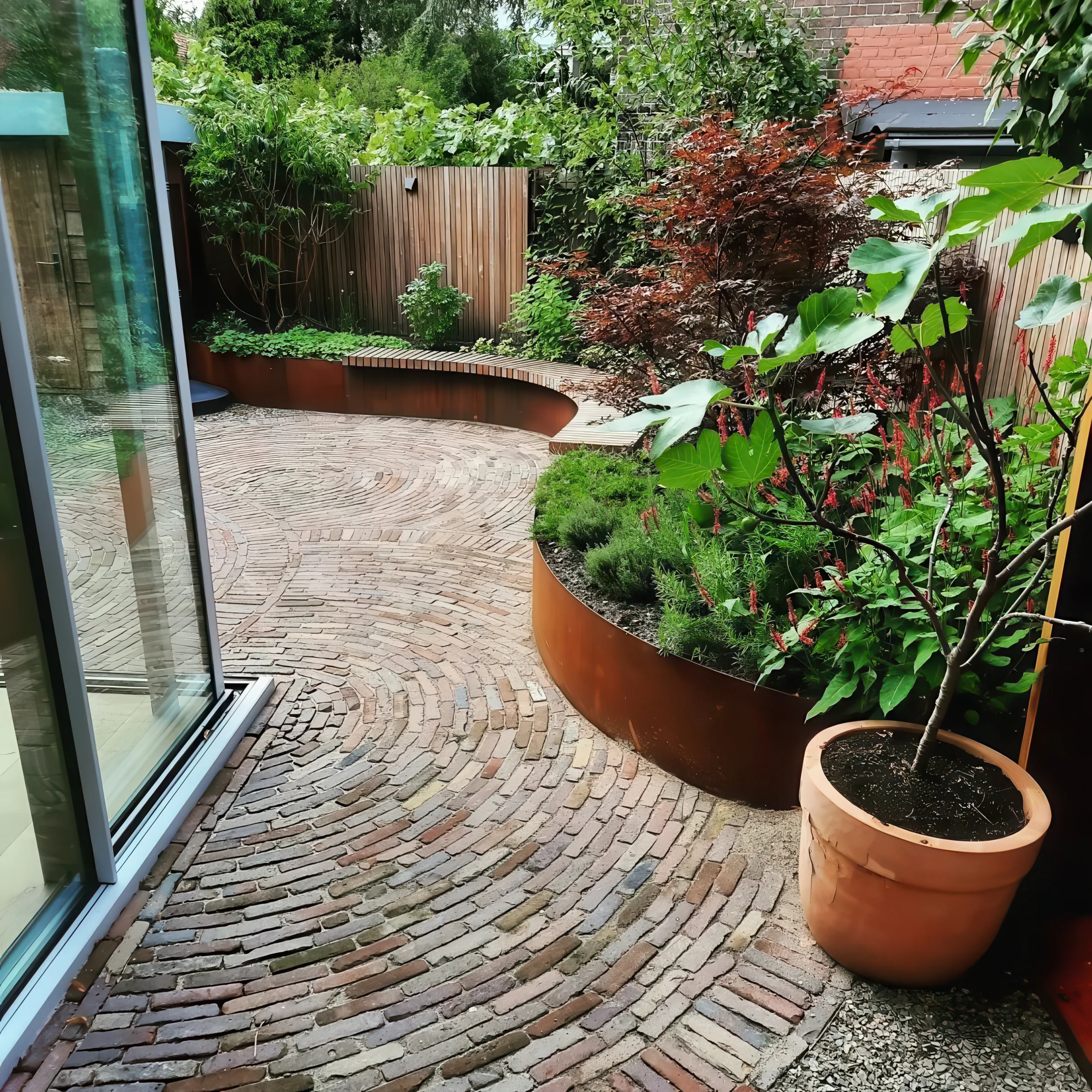
Brick-Bordered Lawn with Weathering Steel Raised Beds
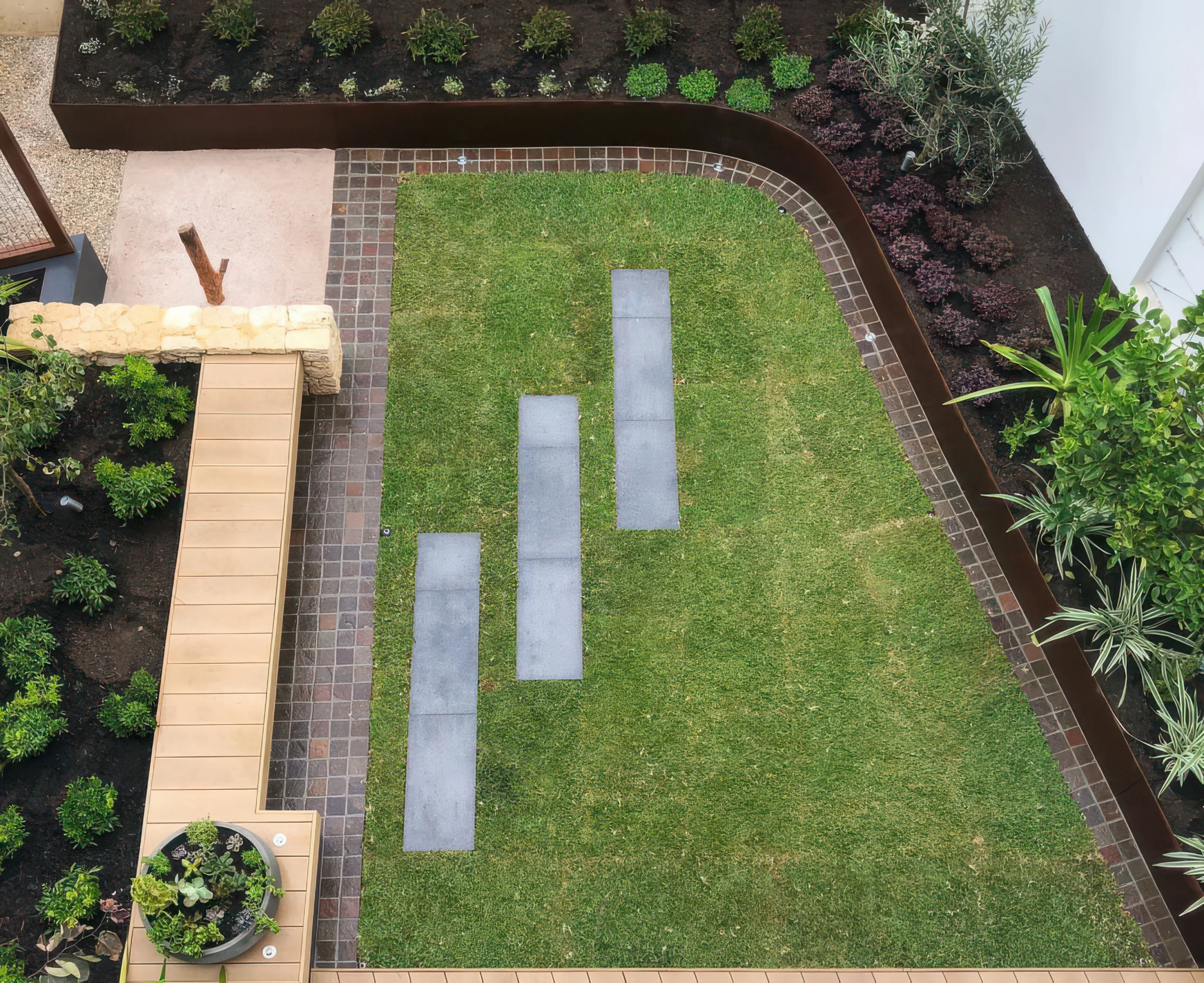
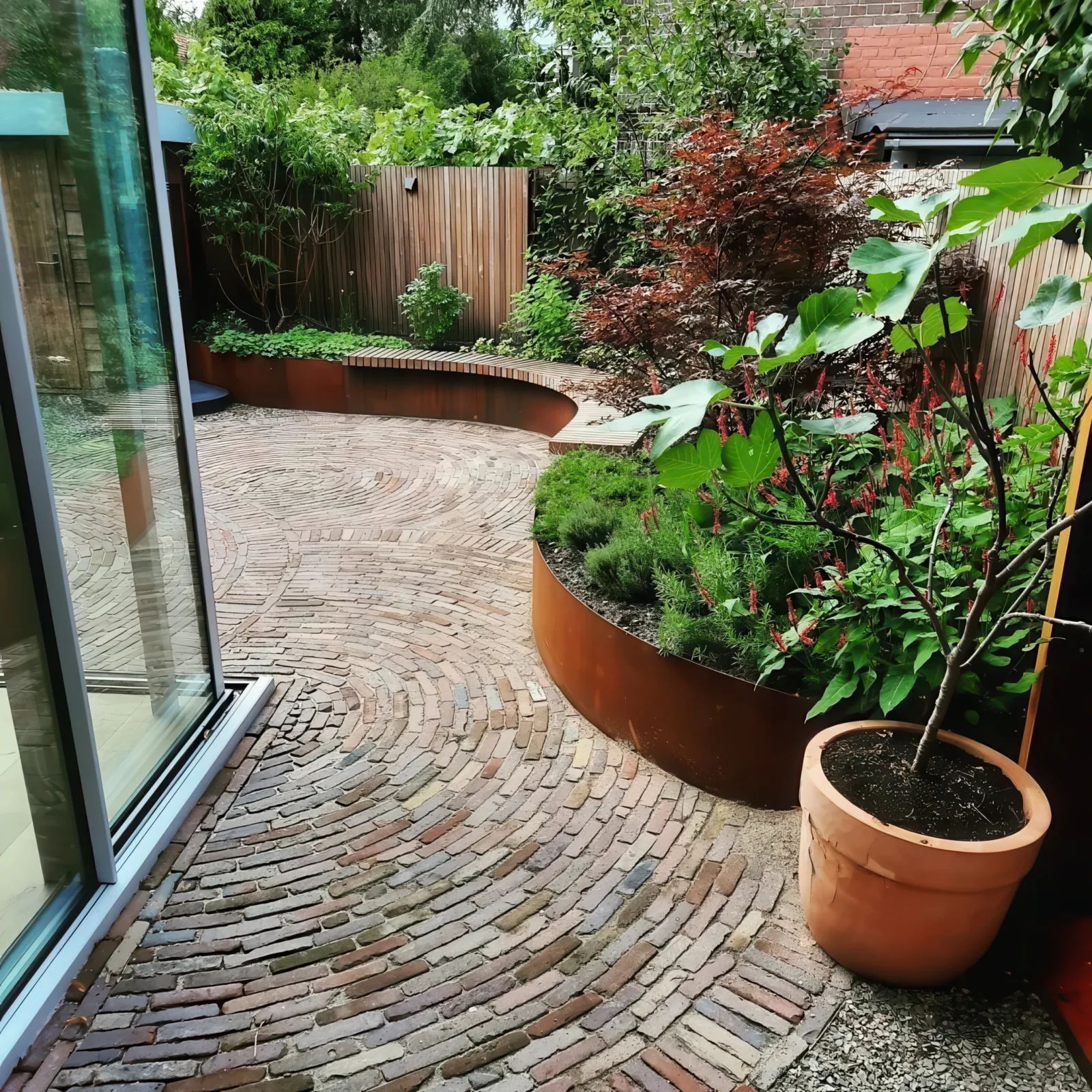
Perth, WA
1 year old
Weathering Steel Raised Bed on a Brick Patio
More inspiration across every product line
Installation Guides
Watch. Learn. Build With Confidence.
3
Video Guides
3-6min
Average Length
100%
DIY Assembly
Living material
How Weathering Steel (Corten) Evolves on Your Raised Beds
Weathering steel, also known as corten steel, transforms over time. Through natural wet-dry cycles, the steel develops a dense, protective patina that shields the surface and slows further oxidation to a near standstill. On raised beds, the full visible face makes this transformation more dramatic than on buried edging.
-
The Raw Starting Point
Dark, near-black surface from the mill-scale oxide layer. Each panel may vary slightly in tone. This evens out as the patina develops.
-
Breaking Through
Orange patches appear as the mill-scale breaks down. Development may be uneven initially, particularly on faces with different weather exposure.
-
The Orange Phase
The full surface transitions through shades of orange. Against green foliage and fresh soil, this phase is particularly striking.
-
Warming and Deepening
Reddish-brown tones replace the brighter orange. The patina builds its protective density. Adjacent panels converge in colour.
-
Finding Its Character
A deeper brown develops. The surface becomes increasingly uniform. The protective layer is well established.
-
Rich and Permanent
Deep, rich brown tone. The patina is stable and self-protecting, and asks very little of you. A quick rinse and an occasional check are all most gardens need. Your raised beds have become a permanent garden feature.
Regional note
Patina speed varies with local conditions. For gardens within about 2 km of the coast, weathering steel benefits from a little extra care, as airborne salt can interfere with how the patina forms. Our Longevity Guide and Product Care Guide cover the steps that make the most difference. If you would prefer a lower-maintenance option near the coast, galvanised steel is a practical alternative, with a contemporary silver-to-grey finish that suits modern gardens.
Technical resources
Technical Resources
Product Catalogue
The complete products range. Heights, styles, finishes, specifications, and box set contents.
Longevity Guide
Understanding what determines the quality and longevity of your weathering steel product over time.
Product Care Guide
Practical guidance on maintaining weathering steel products for the best possible patina development.
Material Comparison
How Steel Raised Beds Compare
| Feature | Straightcurve Steel | Timber | Plastic / Composite |
| Structural Integrity | Engineered steel holds soil pressure at any depth. | Bows and warps under sustained soil and moisture pressure. | Flexes and buckles. Limited depth options. |
| Appearance | Clean lines that develop a living patina over time. | Weathers unevenly. Requires staining to maintain. |
Looks artificial from day one. No ageing character. |
| Installation | Modular panels connect in minutes. No special tools required. |
Heavy. Requires cutting, screwing, and bracing. | Lightweight but flimsy. Joints fail over time. |
| Design Flexibility | Curves, tiers, and custom layouts with one system. | Straight runs only. Complex shapes need a joiner. |
Limited to kit shapes and standard sizes. |
| Food Safety | Inert steel. No chemical leaching into soil. |
Treated timber can leach preservatives into growing medium. | Plastic compounds may degrade and leach into soil over time. |
If you are growing food, the material around your soil matters.
Treated timber can leach preservatives.
Untreated timber rots from the ground up, often within a few years of British weather.
Plastic alternatives vary widely in quality and longevity.
For a fuller side-by-side of steel, corten, timber and brick, see our guide to raised bed edging ideas.
Straightcurve raised beds are 2.0mm steel. No treatment. Nothing leaching into your soil. Structurally sound for the long term.
The investment is higher on day one. The long term benefits and savings far outweigh the initial cost.
Raised Bed FAQs
Common Questions
Do I need to bury the raised bed panels?
No. Unlike garden edging, Straightcurve raised beds sit on the ground surface and are secured through their feet using fixing spikes. The bottom edge does not need to be buried. This means no trench digging, no concrete footings, and significantly less groundwork than with traditional raised-bed construction.
Simply level the ground, assemble the panels, spike them in place, and fill with your growing medium.
Can I connect different height panels on a slope?
Yes. One of the unique advantages of the Straightcurve system is that the join slots align across all Flex and Rigid panels at 240mm, 400mm, and 560mm heights. This means you can connect a 400mm panel to a 240mm panel to create a stepped effect as a slope descends. See our guide to sloping garden ideas.
It takes some careful planning, but the result is a terraced garden that adds volume and visual interest while reducing the total amount of steel required.
How does the bracing system work?
Each raised bed set includes bracing rods that span the internal width of the bed and connect to the panels via fixing lips. These rods prevent the panels from bowing outward under soil pressure.
For beds up to 1000mm wide, the included bracing set is sufficient. For wider beds, a Universal Bracing Set is available, which uses a turnbuckle-and-chain system to anchor the panels to ground stakes. The bracing is internal and hidden by soil once the bed is filled.
Is weathering steel safe for growing vegetables?
Yes. Weathering steel does not leach harmful chemicals into soil. The patina that forms on the surface is a stable oxide layer, not a coating or treatment. It is widely used in agriculture and food-growing applications.
Many of our customers specifically choose Straightcurve raised beds for kitchen gardens, allotments, and herb growing where soil purity matters most.
What tools do I need to build a raised bed?
A hammer, a rubber mallet, and a cordless drill with a Tek screw bit. That covers the core assembly.
Ground levelling tools are useful for preparation. An angle grinder is only needed if you are modifying panel lengths or creating custom corners. Everything else, including bracing rods, fixing spikes, and join sets, is provided with your order.
How long do Straightcurve steel raised beds last?
The panels are 2.0 mm steel. On weathering steel, the patina slows further corrosion to a near standstill, so the beds are built to last many years in typical garden conditions. Within about 2 km of the coast, galvanised is the lower-maintenance choice.
Will weathering steel rust through?
No. Unlike ordinary steel, weathering steel forms a stable patina that seals the surface and slows further oxidation rather than rusting through. The tones deepen over time while the panel stays structurally sound. Near the coast, galvanised is the better low-maintenance option.
Weathering steel or galvanised — which should I choose?
Weathering steel, also known as corten steel, develops a warm rust-toned patina that protects the surface as it matures. Galvanised keeps a contemporary silver-to-grey finish. Both are the same 2.0 mm steel. Weathering steel suits most inland gardens; within about 2 km of the coast, galvanised is the lower-maintenance option.
Can I build curved or circular raised beds?
Yes. Flex panels are shaped by hand on site for curved beds, circles and organic shapes. Rigid and Zero-Flex are for straight-sided beds. Flex and Rigid share the same join slots, so curved and straight sections combine in one build.
BEYOND THE GARDEN
Built for a Longer Game
Straightcurve is part of The Ignition Chamber, an Australian company that builds vertically integrated climate infrastructure companies. Each one funds what comes next.
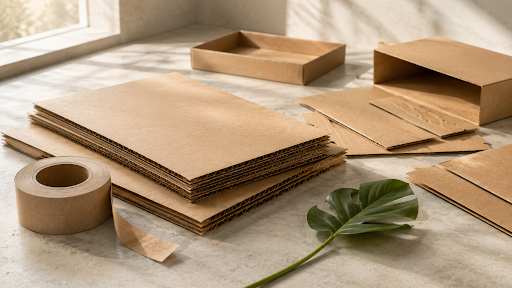
Circular Design
Zero plastic packaging
Two years of R&D replaced every piece of foam and plastic with waterproof cardboard and compostable tape.
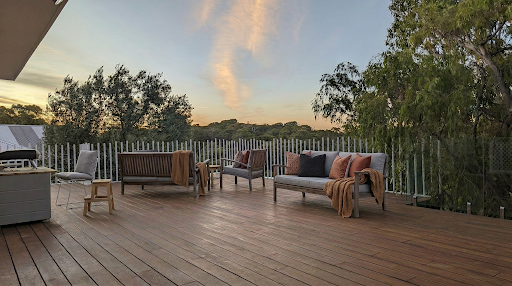
Carbon Capture
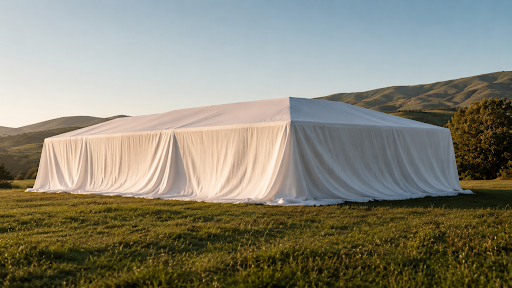
Essier bamboo decking
Bamboo boards that are 60% carbon negative, returned at end of life for permanent underground storage.
Climate Housing
Elysium Living
Homes designed to be carbon negative to build, energy positive to live in, and globally deployable.
Why a garden company builds houses
Straightcurve was the first company built inside The Ignition Chamber. The lessons from scaling it across seven countries are now being applied to carbon-negative housing.
Straightcurve started with a redesign of steel garden edging. No welding. No specialist tools. Professional results from a single modular system. But scaling globally meant confronting harder questions. Weathering steel corrodes over time. Packaging depends on plastic. Every product sold is ore pulled from the ground in a form that never comes back.
Two years and hundreds of thousands of dollars later: protective coatings that keep all steel intact for recycling. Cardboard waterproofed with organic oil instead of plastic film. A product genuinely designed for recovery and reuse.
The same stubbornness produced Essier, bamboo decking that is 60% carbon negative. And Elysium, housing designed to remove carbon from the atmosphere. Each company funds what comes next.
Ready to Start
In One Weekend. Build the Garden you’ve always imagined.
Choose your height, pick your style, and order online. Or get in touch for personalised project advice.