- 01 Your Lawn Has More Potential Than You Think
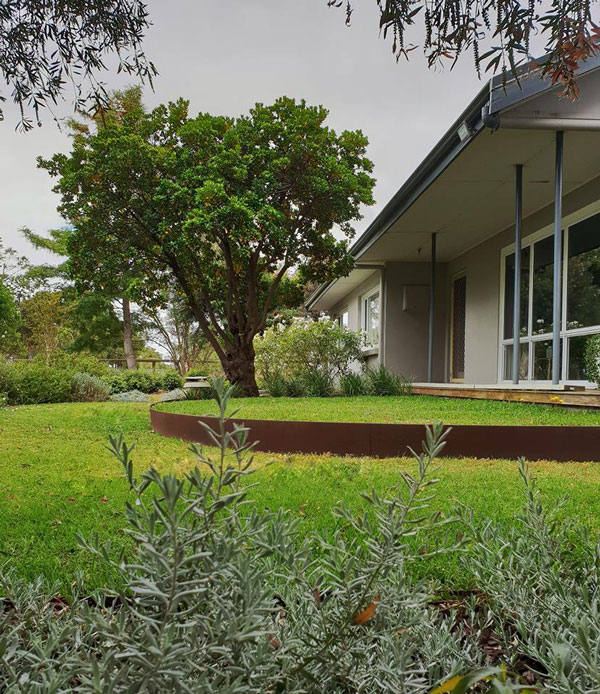
- 02 The Lawn Lift: Elevate a Section for Drama and Function
- 03 Get the fill level right first
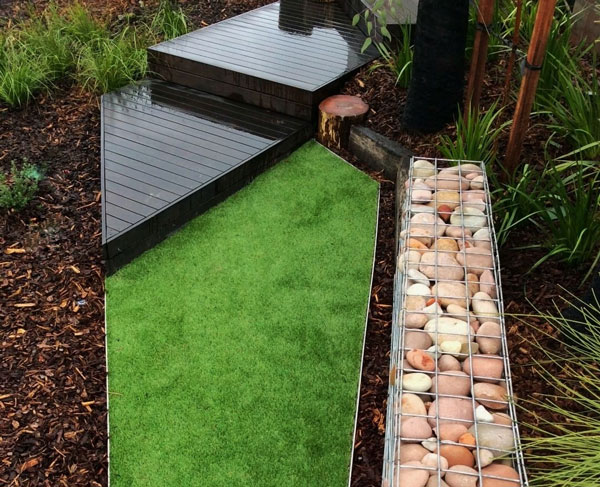
- 04 The Lawn Drop: Create a Hidden Green Sanctuary
- 05 The Lawn Stepper: Paths That Protect and Impress
- 06 Match the stepper to the wider garden
- 07 Lawn as Art: When Green Becomes the Medium
- 08 The Lawn Amphitheatre: Terracing a Sloping Garden
- 09 Terrace for your mower, not just for looks
- 010 Common questions about lawn edging ideas
Your Lawn Has More Potential Than You Think
The five best lawn edging ideas for UK gardens are: a raised lawn platform (the lawn lift), a sunken green sanctuary (the lawn drop), stepping stone paths (the lawn stepper), sculptural grass forms (lawn as art), and terraced tiers on a sloping plot (the lawn amphitheatre). Each one uses steel garden edging as the structural element that holds the design in place permanently.
Most lawns do the same thing: fill the space between the flower beds, stay green, get mowed on a Saturday. But a lawn defined by the right edging becomes something else entirely, a design feature, a focal point, even a structural element that shapes how you move through your garden.
These five lawn edging ideas are not about adding a thin strip of plastic along a straight border. They are about using steel garden edging to give your lawn a genuine edge, in every sense. Whether you have a flat suburban plot or a sloping back garden, at least one of these approaches will make you look at your lawn differently.
Steel edging is what makes most of these ideas practical for a DIY gardener. Its flexibility allows curves and creative shapes; its strength holds clean, defined lines without shifting over time. That combination is hard to achieve with timber, concrete, or plastic alternatives.
Quick Summary
These five lawn edging ideas range from achievable weekend projects (the lawn lift, the lawn drop) to more ambitious landscape features (the amphitheatre). Each one uses steel garden edging as the structural backbone that makes the design work long-term. The key insight throughout: the edge is not an afterthought, it is what defines the shape, separates the materials, and keeps the whole thing looking sharp year after year.
The Lawn Lift: Elevate a Section for Drama and Function
The lawn lift takes a flat garden and introduces level change where there was none. The idea is simple: raise a section of the lawn by 100–150mm to create a platform or tier. The effect is immediate, even a modest elevation adds depth, structure, and a sense of intention that a flat lawn cannot achieve.
To do this well, you need to think ahead. Bring in the fill material (sharp sand or a suitable soil conditioner) and get the level right before you install the edging. It is much harder to adjust once the steel is in place.
The exposed steel face of the raised edge is the visual payoff. A clean vertical line of steel, even just 100mm high, reads as architectural. It gives the lawn a base (a plinth) rather than just a surface. From above, the edging line disappears into the lawn and you see only the shape. From the garden side, the steel face gives the whole thing weight and permanence.
Practically, a raised lawn edge also makes mowing and trimming significantly easier. The mower wheels track along the top of the raise; the edging prevents lawn creep into the beds below.
Pro Tip
Get the fill level right first
Bring the fill material to final level before installing the edging. It is far simpler to compact and grade the fill before the steel goes in than to try adjusting around it afterwards. For a 100–150mm raise, compacted sharp sand gives you a stable base that drains well and does not settle significantly over time. For straight raise edges, Straightcurve Rigid or Zero-Flex profiles give you a clean, architectural face without any flex in the line. For a curved platform shape, Flex handles any radius.
The Lawn Stepper: Paths That Protect and Impress
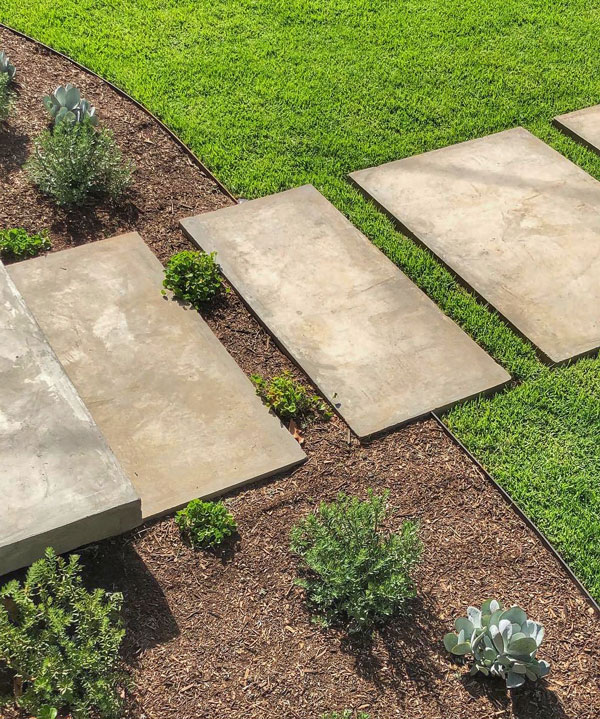
The lawn stepper is one of the most useful lawn edging ideas for gardens with a worn central path from regular use. Rather than fighting the lawn (reseeding the same bare lines year after year) the lawn stepper leans into it: placing stepping stones along the natural desire line and edging around them to make the whole thing intentional.
Good steppers do two things: they protect the surrounding lawn from compaction, and they give the garden a sense of direction. The eye follows the path. The garden feels larger for it.
The stepper size matters more than most people realise. Larger stones (600mm and above) are far easier to mow around and create a much stronger design statement. Smaller steppers can look tentative. If you are committing to this idea, commit to the scale.
Steel edging is useful here in two ways. You can use it to define a mown edge around an informal stepper arrangement, keeping the surrounding grass crisp where the path meets the border. Or you can set steppers directly into a steel-edged raised lawn section, creating a more structured, formal version of the same idea.
Pro Tip
Match the stepper to the wider garden
Large stone steppers have a strong visual presence, they will interact with everything else in the garden. Before you commit, consider what else shares the view: the fence, the raised beds, the house materials. Natural sandstone travels well with steel edging. Concrete pads work in contemporary gardens. Cobblestone is at home in period properties. The wrong combination can look more accidental than intentional.
Lawn as Art: When Green Becomes the Medium
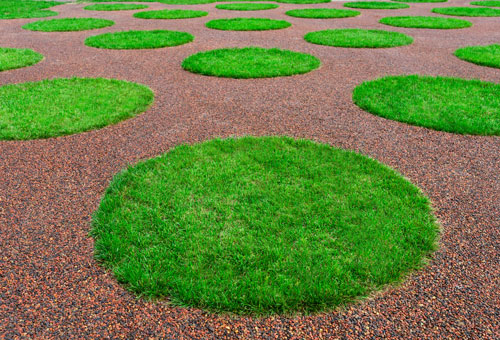
This is the most ambitious of the five lawn edging ideas and, for most home gardeners, more of an inspiration than a to-do list item. But it deserves a mention because it changes the way you think about what lawn can be.
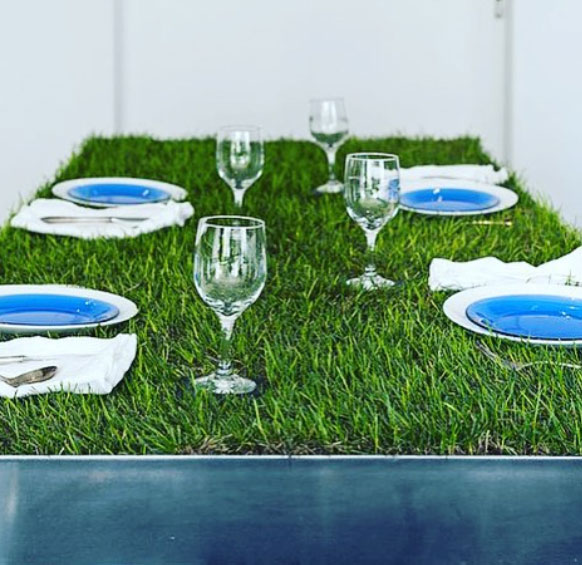
The Lost Gardens of Heligan in Cornwall offer the most striking UK example: grass sculpted into a reclining figure, the “Mud Maid,” using the surrounding planting as hair and the lawn surface itself as skin. It is extreme, but the principle scales down. A grass-covered tabletop. A sculpted mound. A geometric raised form planted entirely in lawn.
The practical tool that makes all of this possible is steel edging. Any three-dimensional grass form (however simple) relies on a structural edge to hold the shape and keep the transition between grass and soil clean. Without it, the edges soften and blur and the sculptural intention is lost.
If you want to try this at a home scale, start with a simple elevated mound or a raised rectangular plinth planted in turf. Keep the steel edges sharp and vertical, mow precisely, and the effect (even in miniature) is genuinely striking.

The Lawn Amphitheatre: Terracing a Sloping Garden
If your garden slopes, you have two choices: fight the gradient or work with it. Most people fight it, maintaining a sloping lawn that is awkward to mow, prone to wear on the high-traffic lines, and difficult to sit on. The lawn amphitheatre is the alternative.
The idea is to terrace the slope into two or three level tiers of lawn, each retained by a steel edging face. The result is a series of usable flat surfaces (each one a different level) connected by small steps or planted risers. The effect reads as designed, not just tidied-up.
A few things to get right:
- Terrace width matters for maintenance. A terrace that is too narrow becomes impossible to mow efficiently. Aim for a minimum of 1.5m width on each tier for a standard push mower to turn comfortably.
- Vary the spacing. Uniform terrace heights at regular intervals can look mechanical. Work with the natural gradient, let the shape of the land suggest where the breaks sit.
- Plan irrigation before you build. Once the tiers are in, retrofitting an irrigation system is significantly more disruptive. If you irrigate your garden, plan the pipe runs before the earthworks begin.
For the earthworks themselves, a small tracked excavator is the efficient tool, a day’s hire will handle most domestic garden terracing. Steel edging at each tier face keeps the lawn-to-riser transition clean and prevents soil creep into the lawn surface over time. Straightcurve Rigid or Zero-Flex handles the straight terrace faces; if any tier curves to follow the garden’s contour, Flex connects into the same run without a visible join.
Pro Tip
Terrace for your mower, not just for looks
The most common mistake with terraced lawns is underestimating the width needed for comfortable mowing. Before you mark out the tiers, do a dry run with your actual mower, measure its turning radius and add clearance. A beautiful terrace that requires awkward reversals every pass will become a chore fast.
Common questions about lawn edging ideas
What is the best lawn edging for a curved border?
Flexible steel lawn edging is the most effective option for curved borders. Unlike rigid timber or concrete, it bends smoothly to follow any curve, from gentle sweeping arcs to tighter radii around tree bases or circular features. It holds its shape permanently once installed and gives a clean, continuous line that is difficult to achieve with any other material.
How deep should lawn edging be installed?
For standard garden lawn edging, a depth of 50–75mm below the soil surface is sufficient to anchor the strip and prevent it from lifting. For applications where the edging also acts as a small retaining element (such as a lawn lift or a terraced tier) deeper installation of 100–150mm gives additional stability. Always compact the surrounding soil firmly after installation.
Can I create a raised lawn with steel edging?
Yes, and it is one of the most effective uses of steel garden edging. Set the edging to the height you want to raise the lawn, backfill with sharp sand or a suitable conditioner to the new level, and turf or seed over the top. The steel face holds the vertical edge cleanly and permanently, giving the raised section an architectural quality that other edging materials cannot match.
What can I plant instead of grass in a lawn drop?
Creeping thyme is an excellent choice for UK gardens, it is frost-hardy, handles light foot traffic, and flowers purple-pink in summer, attracting pollinators. Chamomile is another popular alternative, soft underfoot and pleasantly scented. Artificial turf is a low-maintenance option where appearance matters more than ecology. All three work well within a steel-edged lawn drop, as the edging holds the shape regardless of what ground cover you choose.
Can I use Straightcurve edging as a terrace riser?
Yes. Straightcurve raised garden bed profiles, available in 240mm, 400mm, and 560mm heights, work well as terrace risers. They hold the earth face cleanly, connect with the connector plate system without tools, and can handle curves or straight runs depending on the profile you choose. The finish matches any steel edging used elsewhere in the garden, giving the overall design a cohesive look.
Do I need professional help to terrace a sloping lawn?
The earthworks for a lawn amphitheatre typically require machinery, a small tracked excavator covers most domestic projects in a day. Many people hire the machine and operator together. The steel edging installation itself is a manageable DIY task once the levels are set: panels click together and stake into position without specialist tools. If the slope involves significant soil volumes or the terraces are retaining more than 300mm of height, it is worth getting a landscaper to advise on the structural approach before you start.