Corten Steel Edging: A Quick Guide to Weathering Steel for Your Garden
Introduction
A garden that’s genuinely cared for always feels a little bit more pleasant. Crisp borders, clean edges, materials that sit in the landscape naturally. It’s these little things that draw in so many people toward weathering steel, often sold under the name Corten steel.If you have been researching steel edging options and the term “Corten” keeps coming up, this guide is for you. We will walk through what it is, how the patina develops, what affects its lifespan, and what you should actually look for before buying.
What is Corten Steel?
Corten is a common name for weathering steel, a steel alloy that forms a protective oxide layer when exposed to the weather. In plain English, it is meant to rust on the surface, then calm down and stabilise. That stable surface layer is the patina, which helps slow further corrosion.
One quick opinion here, because it matters. If a product is just “rust coloured” out of a tin, it might look close on day one, but it is not the same thing as real weathering steel doing its natural patina cycle over time.

Why Landscapers and Homeowners Are Choosing It
The appeal is simple. Weathering steel looks incredible in outdoor settings. It has this rich, earthy tone that shifts from orange to deep brown over time, and it blends beautifully with plants, timber, stone, and gravel. It does not look manufactured or out of place, the way some materials do. It looks like it belongs.
Beyond the looks, it is really tough. We are talking about a material that was designed for bridges and shipping containers. When you use it as garden edging, you are working with something significantly overbuilt for the job, and that is a good thing.
- Natural aesthetic: The warm, rust-toned finish blends with almost any garden style, from native plantings to formal hedging.
- Structural strength: It holds its shape year after year, even under soil pressure and foot traffic.
- Low ongoing maintenance: Once the patina stabilises, there is very little you need to do.
How the Patina Forms and What to Expect
The Science Behind Weathering Steel’s Protective Layer
When weathering steel is first exposed to the elements, it starts to oxidise. That initial rust you see is the steel reacting with moisture and air, which is completely normal and expected. Over the next weeks and months, the surface goes through repeated cycles of wetting and drying. Each cycle helps the oxide layer compact and tighten.
Eventually, this layer becomes dense enough to significantly reduce the rate of further corrosion. This is the patina. Think of it as the steel building its own protective coating naturally, without you needing to paint or seal anything.

Comparing Corten Steel Edging to Other Materials
Weathering steel is not the only option out there, and it is worth understanding how it stacks up against the alternatives. Every material has trade-offs, so let us look at the most common ones honestly.
Corten Steel vs. Galvanised Steel: What is the Real Difference?
- Corrosion Protection: Natural Patina vs. Zinc Coating
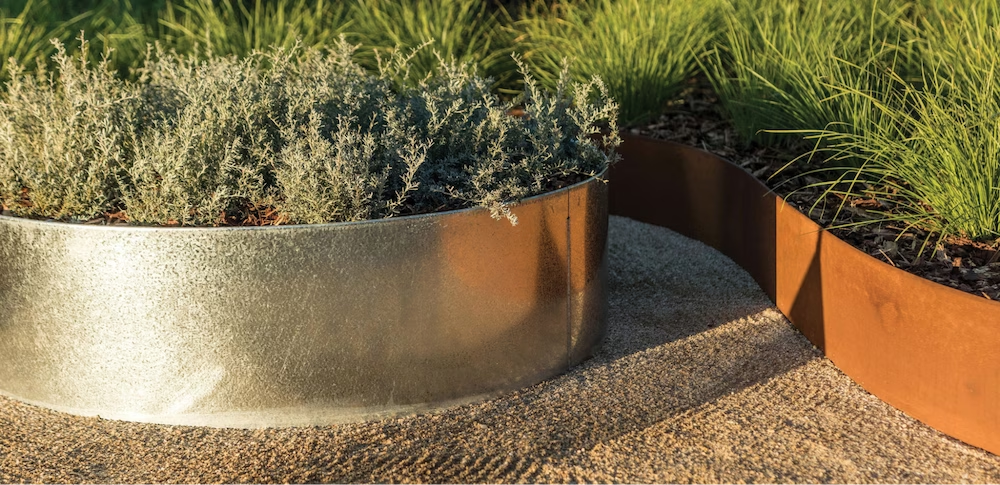
Galvanised steel relies on a zinc coating to prevent rust. It works well initially, but once that coating gets scratched, chipped, or worn through, the underlying steel starts corroding just like any other mild steel. Weathering steel does not have that vulnerability. Its protection comes from within the material itself, not from a surface treatment that can fail.
- Appearance: Industrial Finish vs. Warm, Earthy Tones
Galvanised steel has that silver, industrial look. Some people like it, and it works in certain modern designs. But it does not age gracefully. Over the years, it tends to look dull and chalky. Corten steel, on the other hand, only gets better with time. The patina adds coziness and charm that most people find genuinely attractive in a garden setting.
- Which One is Worth the Investment?
If you are comparing purely on upfront cost, galvanised can be cheaper. But when you factor in the lifespan, the maintenance, and the aesthetics, weathering steel offers significantly better value over the long run. You are paying a bit more now to avoid headaches later.
Corten Steel vs. Timber: A Practical Comparison
- Maintenance Needs: Sealing, Staining, and Replacing
Timber edging needs regular attention. Depending on the wood species, you could be re-sealing or staining every one to two years. Left untreated, timber warps, splits, and eventually rots. Termites and borers are another issue entirely, especially in parts of Australia where they are prevalent. Weathering steel does not ask for any of that. Once it is in the ground, it just does its job.
- How Long Does Each Material Actually Last?
Treated hardwood might give you 5 to 15 years, depending on the species and conditions. Softwood sleepers can start deteriorating within just a couple of years in damp soil. A quality weathering steel edging product, properly installed, can realistically last 10 to 30 years or more in suitable environments. The gap in longevity is significant.
- What Do Landscaping Professionals Prefer?
Most professional landscapers we have spoken with have moved away from timber for edging. The callback rate for rotted or shifting timber borders is too high. Steel gives them a finished result they can be confident in, and their clients appreciate not having to maintain it constantly.
Corten Steel vs. Plastic and Composite Edging
- Durability in Australian Conditions
Plastic edging is affordable and easy to install, but it does not hold up well under the Australian sun. UV exposure causes it to become brittle over time. You will start to see cracking, fading, and warping within a few years. Composite materials last longer than basic plastic, but they still cannot match the structural performance of steel.
- Environmental Considerations
Plastic edging is a petroleum product, and when it degrades, it can release microplastics into your soil. Weathering steel is fully recyclable and does not leach harmful chemicals. If you are conscious about what goes into your garden, that is worth thinking about.
- Visual Impact: There is No Comparison
This one is simple. Plastic looks like plastic. It can mimic stone or wood from a distance, but up close, nobody is fooled. Corten steel has a presence as well as genuineness that synthetic materials just cannot replicate.
Want More Detail on Material Comparisons? Check Out Our Detailed Guide on Garden Edging Materials
If you are weighing up multiple material options and want a deeper dive, our comprehensive garden edging guide breaks it all down. It covers metal, plastic, timber, and stone edging with real-world pros and cons for Australian conditions.
Dive Deeper into Metal, Plastic, and Timber Edging
Each material has a place depending on your garden’s particular needs and your budget. Our guide lays out the honest advantages and disadvantages so you can compare without the marketing spin.
How to Choose the Right Material for Your Garden
Climate, soil type, sun exposure, and the design you are aiming for all matter. Our guide walks through each factor so you can feel certain of your choice, whether that ends up being steel or something else entirely.
Factors That Affect the Lifespan of Corten Steel Edging

Weathering steel is tough, but it is not invincible. How long your edging lasts depends on a handful of environmental and installation factors that are worth understanding before you commit.
Climate and Moisture Levels
Weathering steel performs best in conditions where it goes through regular wet and dry cycles. That is what allows the patina to develop and stabilise. In areas with persistently high humidity or constant moisture, the patina may not form as effectively, and corrosion rates can increase. Coastal zones with salt-laden air are another concern. While weathering steel handles most conditions well, prolonged salt exposure can be aggressive on any steel.
Soil Contact and Drainage
Edging that sits in waterlogged or poorly drained soil is going to work harder to maintain its patina. Standing water prevents the dry cycles that are essential for the oxide layer to stabilise. If your soil holds a lot of moisture, making sure you have decent drainage around your edging will go a long way toward extending its life.
Chemical Exposure
Keep harsh chemicals away from your weathering steel. Things like chlorine-based cleaners, strong acids, or fertilisers applied directly against the steel can interfere with the patina or strip it entirely. A bit of common sense goes a long way here. If you would not put it on your skin, do not let it sit on your edging.
Product Quality and Certification
Not all weathering steel is created equal. Some cheaper products use mild steel with a surface treatment designed to mimic the Corten look, but they do not have the alloy composition needed to form a genuine protective patina. Always check that your edging product uses certified weathering steel. If the manufacturer cannot provide material certification, that is a red flag.
Best Applications for Corten Garden Edging
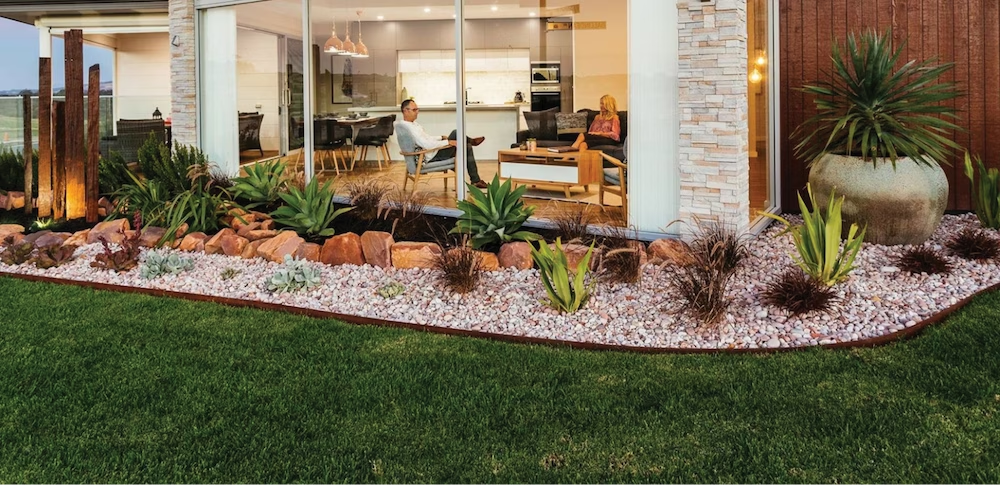
One of the reasons weathering steel has become so popular is its versatility. It works across a huge range of garden styles and useful applications.
Corten Garden Edging for Contemporary and Native Gardens
If you are going for a modern, minimalist look, the clean lines of steel edging are hard to beat. The gentler hue of the patina softens what could otherwise be a stark design. For native Australian gardens, it is a natural fit. The earthy colours sit perfectly alongside grasses, groundcovers, and indigenous plantings.
Creating Curves, Straight Lines, and Custom Shapes
Good quality steel edging comes in flexible profiles that let you create sweeping curves just as easily as straight runs. This means you are not limited to rigid, boxy garden beds. You can follow the natural contours of your landscape or create flowing, organic shapes that feel intentional and relaxed.
Separating Lawn from Garden Beds
This is probably the single most common use. A well-installed steel edge creates a firm barrier between your lawn and garden beds. Grass cannot creep across it, mulch stays where it should, and you get a neat, defined line without needing to re-dig your borders every season.
Using Corten Edging on Slopes and Uneven Ground
Steel edging is strong enough to handle sloped terrain without shifting or buckling. It provides structural stability on hillsides and uneven blocks where other materials might lean, slide, or crack. If your garden has any sort of gradient, this is a major practical advantage.
FAQs About Corten Steel Garden Edging
Here are some of the questions we hear often about weathering steel garden edging.
Does Corten Steel Edging Stain Concrete or Pavers?
It can, especially during the initial patina development phase. Rust run-off is most noticeable in the first few weeks to months. Pre-rusting the steel before installation helps minimise this. Once the patina is fully established, staining is generally not an issue.
How Long Does It Take for the Patina to Fully Develop?
In most Australian conditions, the patina will begin forming within days and typically reaches a stable state within 6 to 18 months. The exact timeline depends on rainfall, humidity, and how much wetting and drying the steel experiences.
Is Corten Steel Safe for Use Around Plants?
Yes. Weathering steel does not leach harmful chemicals into the soil. The small amounts of iron oxide that may wash off are not harmful to plants and, in some cases, can actually be beneficial for iron-deficient soils.
Can I Paint or Seal Corten Steel?
You can, but it defeats the purpose. The whole point of weathering steel is that it protects itself via its natural patina. Sealing or painting it prevents this process and means you will have to preserve that coating just like you would on regular painted steel. Most people leave it to do its thing.
How Do I Install Corten Steel Edging?
Installation is easy. You typically dig a shallow trench, set the edging in place, and secure it with stakes or spikes. Basic tools and some patience are all you need. For detailed guidance, check out our installation videos.

Conclusion
Corten steel edging has earned its popularity for good reason. It is strong, it ages beautifully, and once it is installed, it largely looks after itself. Whether you are a weekend gardener tidying up your borders or a professional landscaper building something that needs to last, weathering steel is a material that lives up to its promises.
The key is buying a quality product with certified weathering steel, installing it properly, and understanding how the patina process works so nothing catches you off guard.
Ready to see what weathering steel can do for your garden? Explore our in-ground garden edging options or get inspired with our garden edging ideas guide.
For more practical reading, take a look at our guide to maintaining durable garden edges or explore the full garden edging material comparison.
Helpful Resources
The Straightcurve range is worth considering if you are after a high-quality, modular steel garden edging system that is extremely customisable and DIY user-friendly.
Use these links to decide if our products could be what you are searching for:
- Download Our Product Catalogue, download the pdf and browse our full garden edging range.
- Check out our image gallery, here you will find examples of gardens created using our products.
- Introduction Video, watch this video to see which product style might work for your project.
- View Installation Videos. here you will discover how easy it is to install steel garden edging yourself.
- Find Your Nearest Dealers, find stockist locations and contact details on our “Where To Buy” map.
- Request Pricelist and Brochure, submit to receive a brochure, pricelist, and stockist details by email.
- Essential Guide to Garden Edging, our comprehensive garden edging article with project images and material breakdowns.
Latest Posts
-
 Corten Steel Edging: A Quick Guide to Weathering Steel for Your Garden
15 March 2026
Corten Steel Edging: A Quick Guide to Weathering Steel for Your Garden
15 March 2026
-
Garden Bed Edging Ideas: What Works, What Lasts, and What’s Worth
15 March 2026
-
Celebrating 10 years of Straightcurve at MIFGS
9 June 2025
-
Garden Edging Ideas: A Guide to Better Garden Design
25 February 2025
-
26 Modern Australian Front Yard Ideas to Transform Your Space
31 January 2025