Landscape Edging Guide: Should You DIY or Call a Pro?
Introduction
Landscape edging can make or break the overall look of your outdoor space. Proper edging is essential, whether you’re a homeowner trying to enhance curb appeal or a gardening enthusiast striving for a pristine lawn.
But should you roll up your sleeves or hire a professional when it comes to lawn edging? This guide will walk you through everything you need to know to make an informed decision.
What is Lawn Edging, and Why Does It Matter?
Lawn edging involves creating a defined boundary between your lawn and other areas of your yard, such as flower beds, pathways, or patios. This boundary enhances your garden’s appearance and plays a practical role in maintaining your landscape.
By preventing grass from encroaching on flower beds and adding a polished, structured look, lawn edging ensures your garden stays tidy and easy to manage. Whether you’re considering metal, timber, or concrete for your lawn edge, the right choice can elevate your space significantly.
Explore the best garden edging for a low-maintenance garden here.
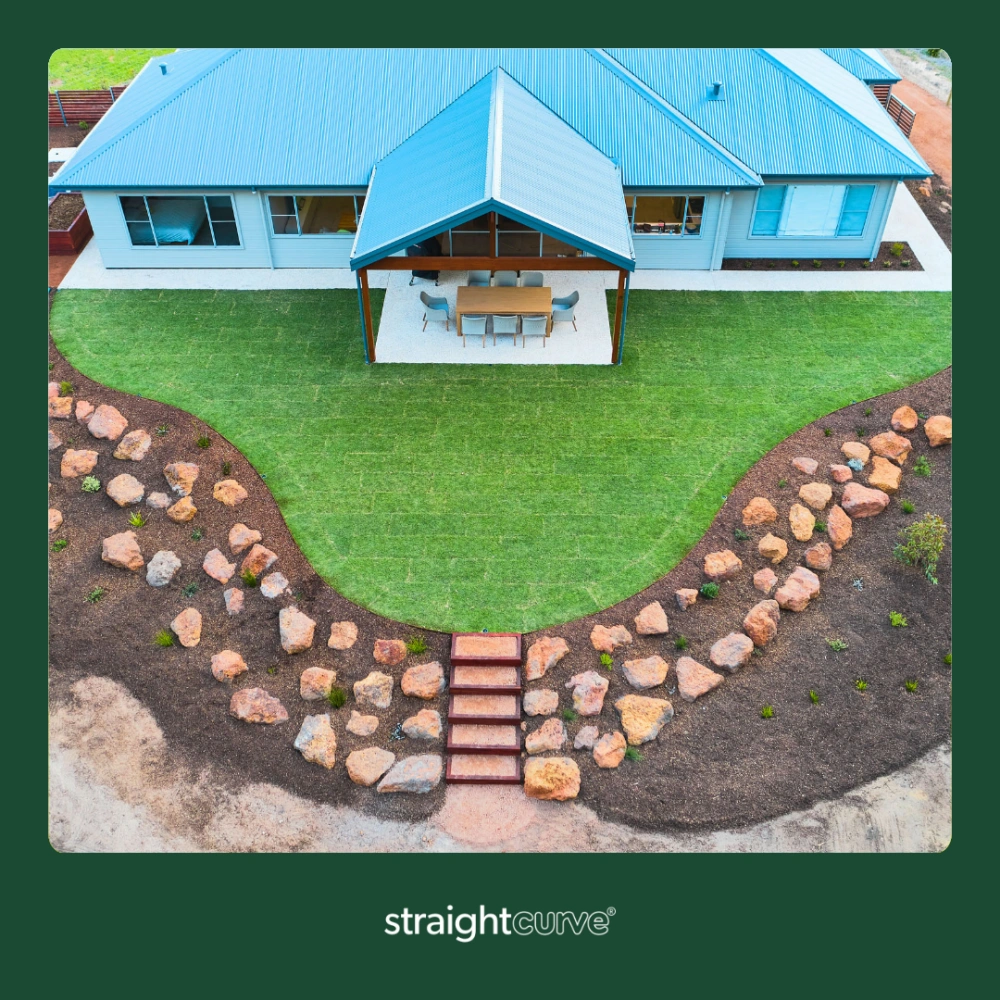
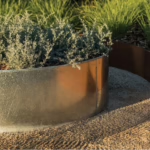
Straightcurve Flex Weathering Steel Garden Edging

3 Benefits of Proper Lawn Edging
1. Preventing grass overgrowth into flower beds
Without clear boundaries, grass and weeds can quickly invade your flower beds, making maintenance a nightmare. Lawn edging acts as a barrier, keeping your garden beds neat and healthy.
2. Adding structure and style to your outdoor space
Lawn edging can transform an ordinary yard into a visually appealing landscape. Whether you prefer edging lawn with sleek weathering steel (aka corten) or a more natural timber finish, edging adds a touch of sophistication.
Learn about corten steel edging and why it’s a great choice for modern gardens.
3. Improving maintenance and mowing efficiency
A well-edged lawn not only looks great but also simplifies mowing. You can trim the edges more precisely, saving time and effort during regular maintenance.
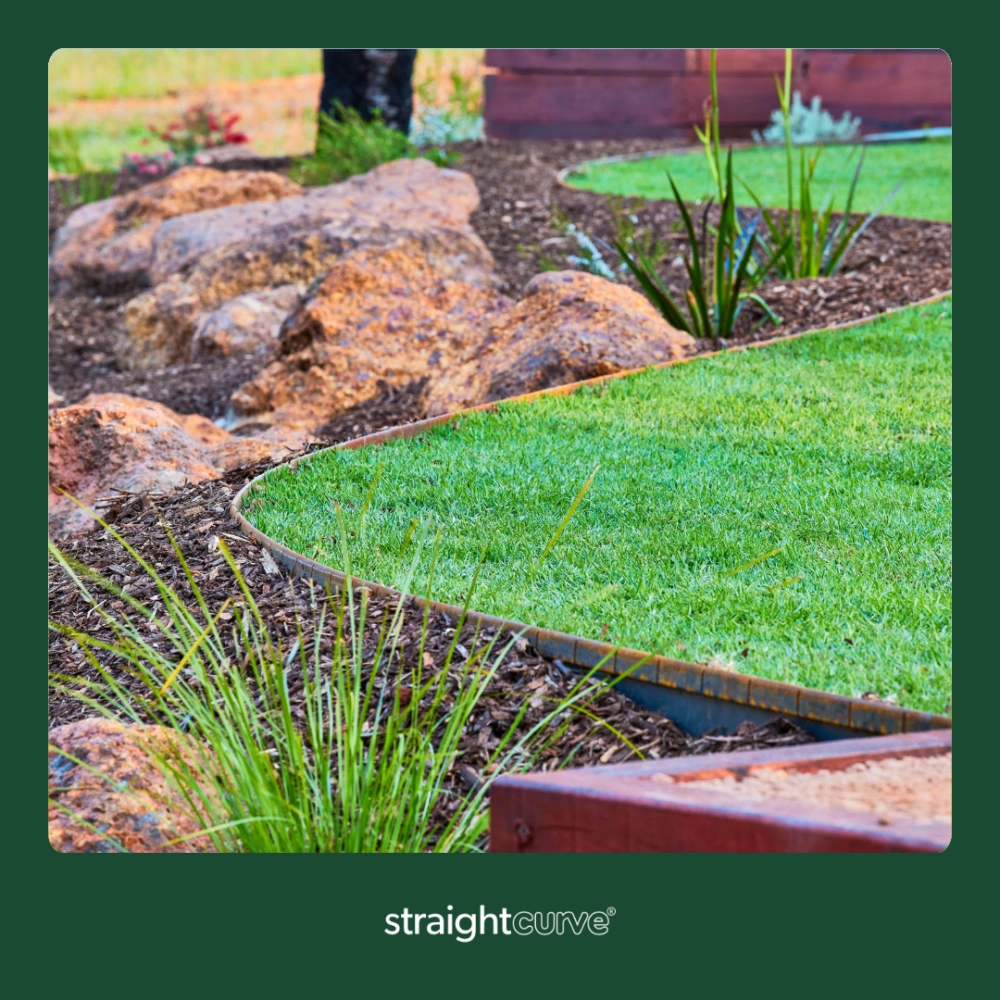
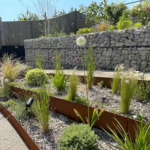
Straightcurve Flex Garden Edging as Lawn Barrier
Choosing the Right Material for Your Landscape Edging
With so many options out there, picking the right edging material comes down to three things: how you want it to look, how long you want it to last, and whether you’re happy to install it yourself.
Timber is affordable, natural-looking, and easy to work with. The downside? Even good hardwoods rot in ground contact within 10–20 years, and termites can speed that up. It’s a solid starting point, but expect maintenance and eventual replacement.
Concrete gives you full control over shape and works well for mowing strips. The catch is that it cracks, especially on reactive clay soils. Moreover, once it’s in, it’s staying put. Professional installation usually delivers the best results here.
Brick and stone look fantastic and last a long time, but they’re heavy, labour-intensive, and need a proper footing to stay put. These are generally better left to experienced hands.
Weathering steel (corten) is where things get interesting. It develops a natural rust patina that actually protects the steel. No painting or coatings needed, ever. It lasts 50+ years, won’t crack or rot, and modern flexible profiles make it easy to shape flowing curves on-site. It costs more upfront than timber or plastic, but it’s a set-and-forget investment. Just remember that rust run-off can stain light surfaces during the first 6–12 months while the patina forms.
Galvanised steel gives you similar strength with a clean, contemporary finish. The zinc coating handles coastal salt air well, making it a decent pick if you’re near the coast. The coating can get scratched during installation though, which has a big impact on durability.
As a general rule, think about cost per year of service rather than just the price tag — and be realistic about your installation confidence. Flexible steel and timber are forgiving for DIY. Concrete, brick, and stone usually benefit from a professional touch.
DIY Lawn Edging: What You Need to Know
If you’re considering tackling lawn edging on your own, it’s essential to plan carefully. Here’s a breakdown of how to do lawn edging, including what you’ll need to get started.
Tools and Materials for a DIY Edge for Lawn
- Spade or edging tool
- Measuring tape
- String and stakes
- Edging material (e.g., metal, timber, concrete)
- Mallet or hammer
- Gloves and safety gear
Check out these garden edging solutions for DIY projects.
Step-by-Step Guide for DIY Lawn Edging
- Plan and measure: Use string and stakes to outline where your edging will go. Measure carefully to ensure symmetry.
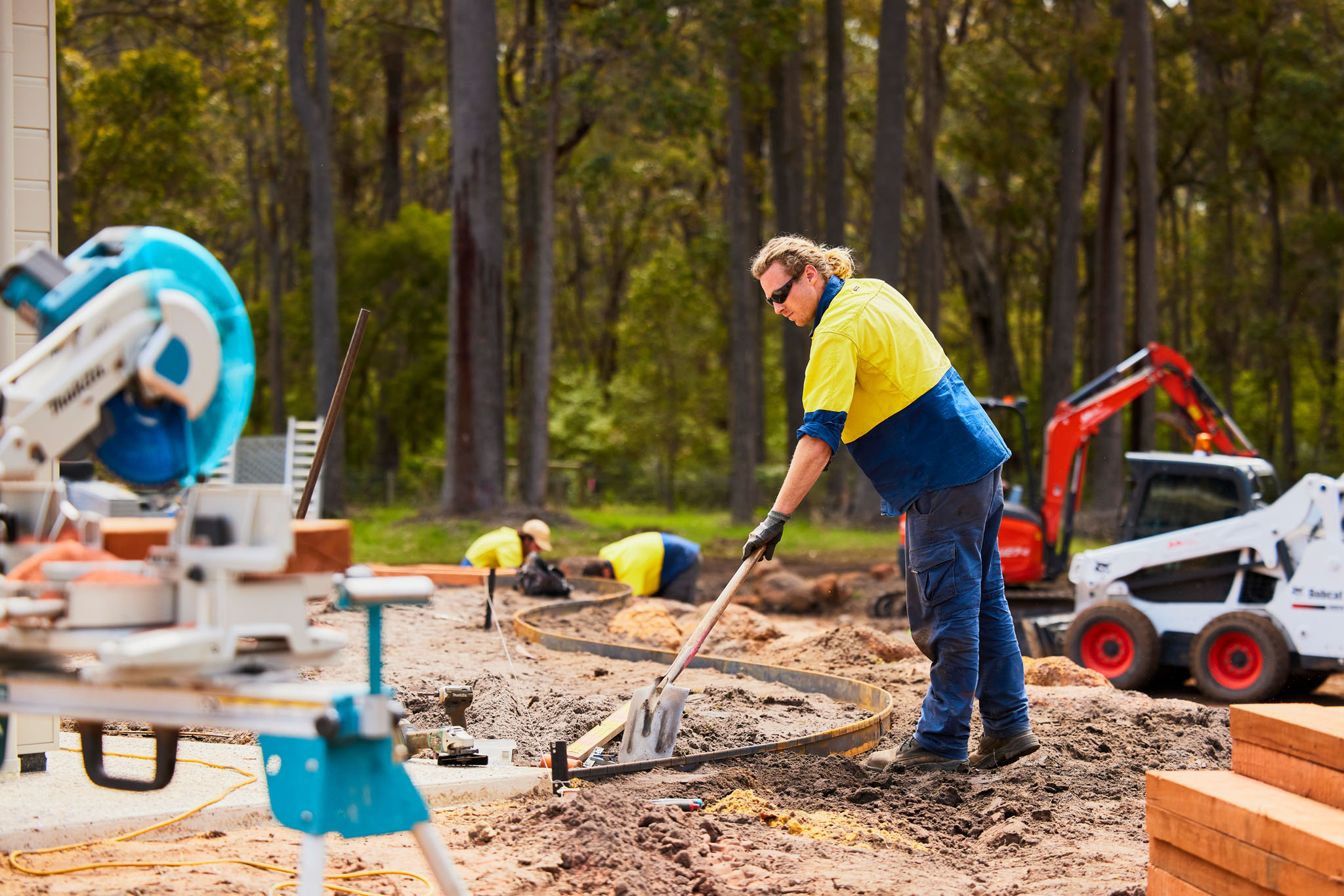
- Dig a trench: Use a spade to dig a shallow trench along your outline. The depth will depend on the type of edging material.
- Install the edging material: Place your edging material into the trench, ensuring it’s level. For flexible materials, such as Straightcurve’s Flex Garden Edging, shape the lengths or lawn edging as needed.
- Secure the edging: Use a mallet or hammer to anchor the edging into place. Fill in the trench with soil to hold it steady.
Watch installation videos for expert tips.
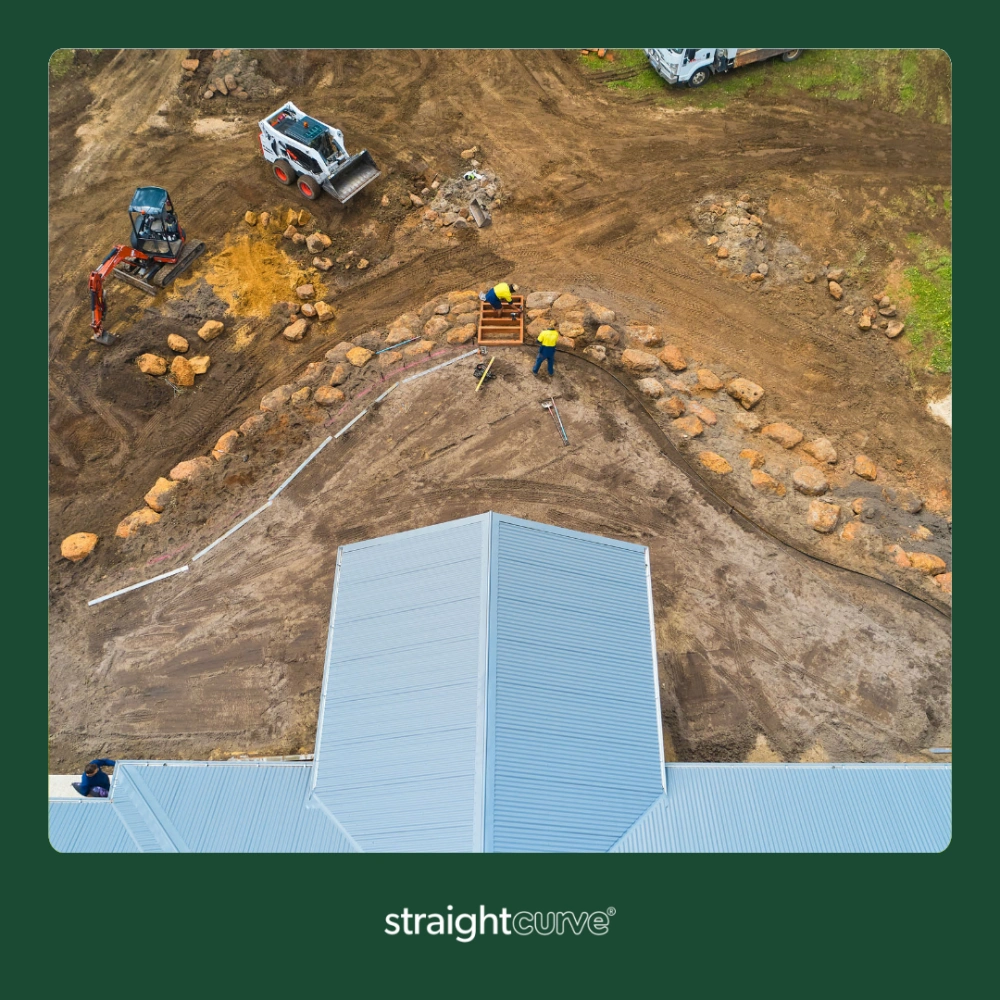
Get the Job Done Right with Straightcurve Lawn Edging

Professional Lawn Edging: Is It Worth It?
If you’re short on time or tackling a large project, hiring a professional landscaper might be the better option. Here’s what you should consider:
When to Hire a Professional Landscaper
> Large-scale projects or complex designs
For extensive gardens or intricate designs, professionals have the expertise and tools to deliver high-quality results efficiently. Professionals also tend to know more about which materials, brands, and products are best for achieving your project goals.
> Saving time and ensuring high-quality results
If you’re looking for flawless execution without the hassle, professional services can be a worthwhile investment. This is especially true if you have no experience or interest in getting hands-on with a DIY project or if you value your time more than the cost of a professional landscaping service.
What to Expect from a Professional Edging Service
> Typical costs and services included
Professional lawn edging services usually include consultation, material selection, installation, and cleanup. However, costs will vary significantly depending on the size and complexity of the project.
> Tips for choosing the right landscaper
- Check online reviews and portfolios.
- Ensure they offer the materials you prefer, such as Rigid or Zero-Flex edging.
- Request detailed quotes to compare services.
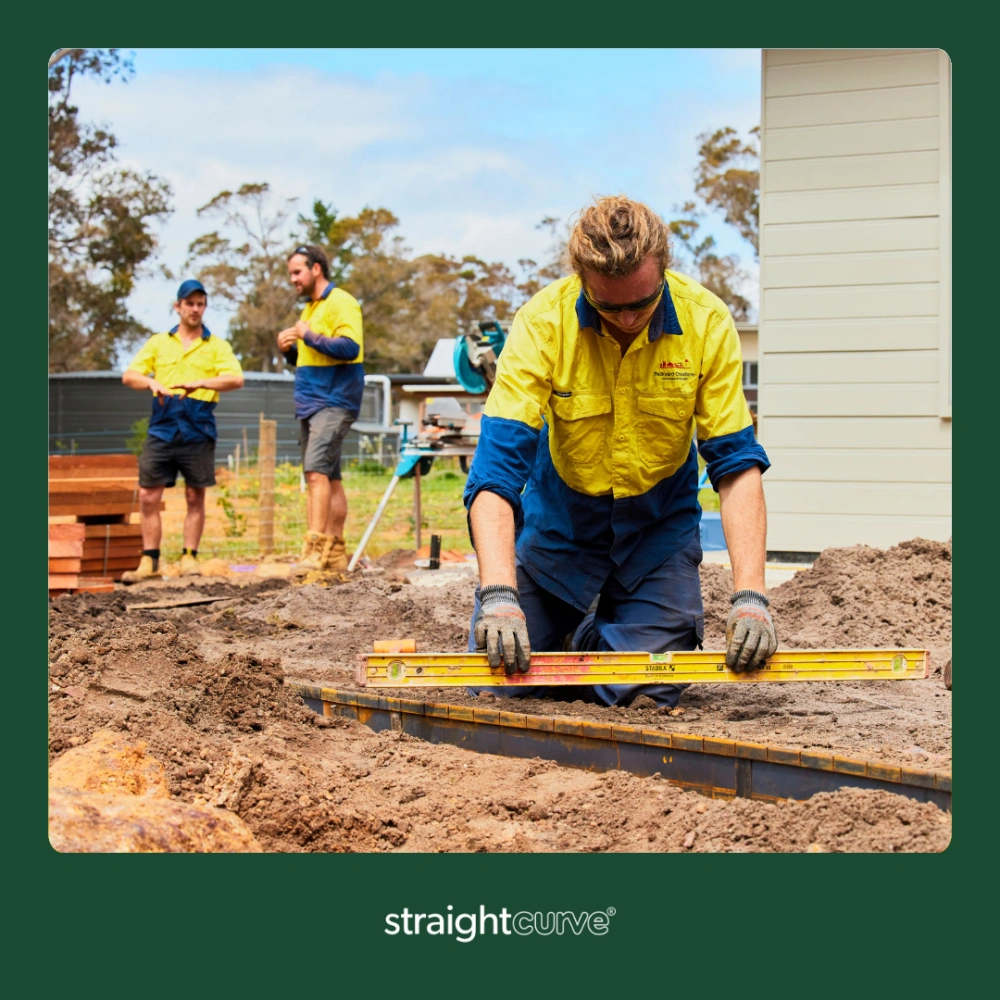
Landscaping Professionals Prefer Straightcurve Lawn Edging
Common Lawn Edging Mistakes and How to Avoid Them
DIY Errors That Can Damage Your Lawn
> Uneven edges or improper depth
Inconsistent edges can ruin the overall look of your garden and make maintenance harder. Use materials like Straightcurve Flex edging for smoother curves and consistent depth.
> Using unsuitable materials
Choose durable and weather-resistant materials, such as weathering or galvanised steel, to avoid frequent replacements.
Learn about common misconceptions in metal garden edging.
Signs of Poor Professional Installation
> Misaligned edges
Crooked lines or uneven placement can detract from your garden’s aesthetic. Insist on quality assurance before finalising payment. If your landscaper is using Pro-grade products like the Straightcurve range (which is designed to ensure precise installation), you can expect the fit and finish to be flawless.
> Gaps in the edging material
Ensure your contractor fills gaps properly to prevent weed growth and material shifting. Pro-grade lawn edging products from Straightcurve are designed to ensure tight, seamless connections and strong positional stability. Consider this when reviewing recommended lawn edging materials.
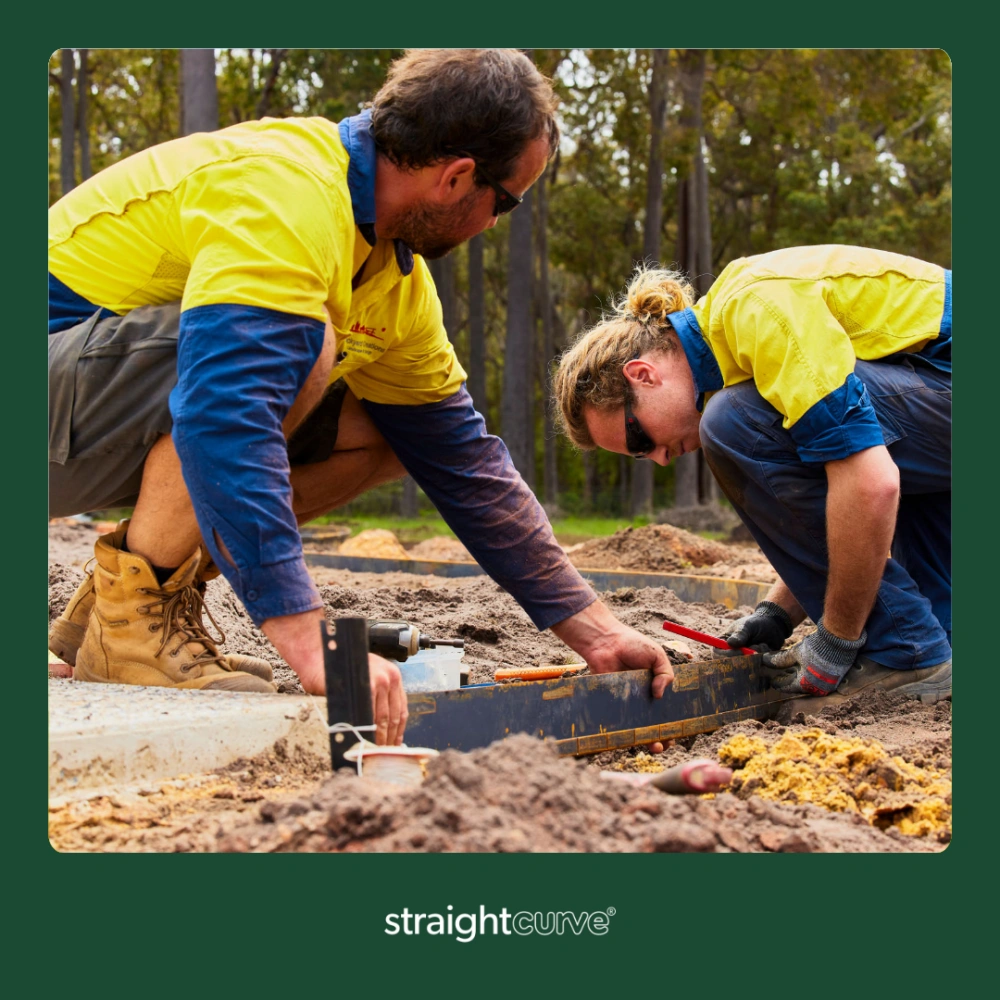
Straightcurve Steel Edging is Simply Better for Professional Results
Frequently Asked Questions
What is the easiest way to edge my lawn for a clean finish?
Using pre-formed edging solutions, like Straightcurve Flex, Rigid, and Zero-Flex products, simplifies the process and ensures a polished result.
What tools do I need to start edging my lawn at home?
A spade, measuring tape, and durable edging materials are must-haves for DIY projects.
Should I use timber, metal, or concrete for my lawn edging?
Each material has pros and cons. Metal is durable and sleek, timber offers a natural look, and concrete is long-lasting but less flexible. For a deeper dive into the pros and cons of lawn edging materials, read our Essential Guide to Garden Edging.
How do I maintain lawn edging to keep it looking fresh?
Regularly clean your edging and check for shifting or wear. For metal edging, consider rust-resistant options like corten steel.
Can I install lawn edging on a slope or uneven terrain?
Yes, flexible materials like Straightcurve Flex garden edging are perfect for contoured landscapes.
How long does DIY lawn edging typically take?
Small projects can take a few hours, while larger designs might span a weekend.
How do I prevent weeds from creeping into my lawn edges?
Use weed barriers or tightly packed edging materials to minimize gaps where weeds can grow.
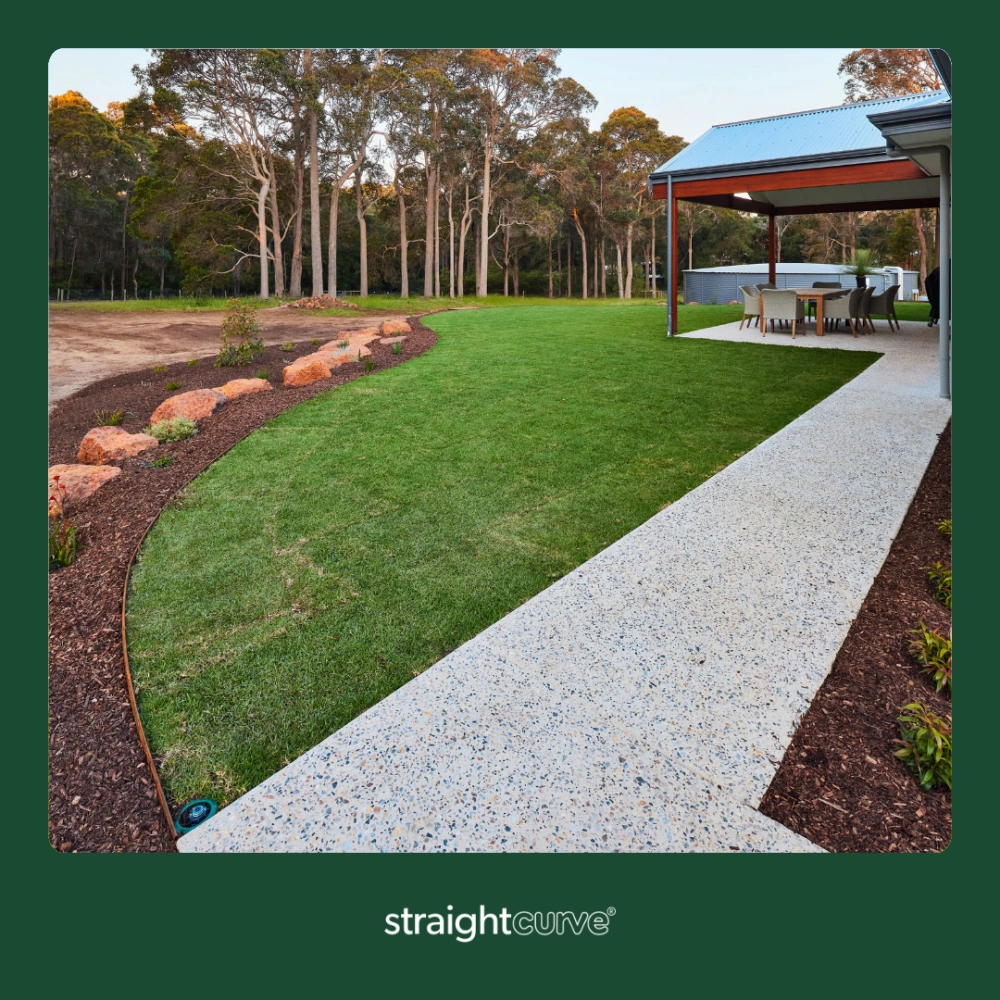
Straightcurve Flex Steel Garden Border
Conclusion + Useful Links
Lawn edging is an essential step in creating a polished and manageable outdoor space. Whether you DIY or call a pro, the key is to plan carefully, choose the right materials, and avoid common mistakes.
For more tips and product options, explore these helpful resources:
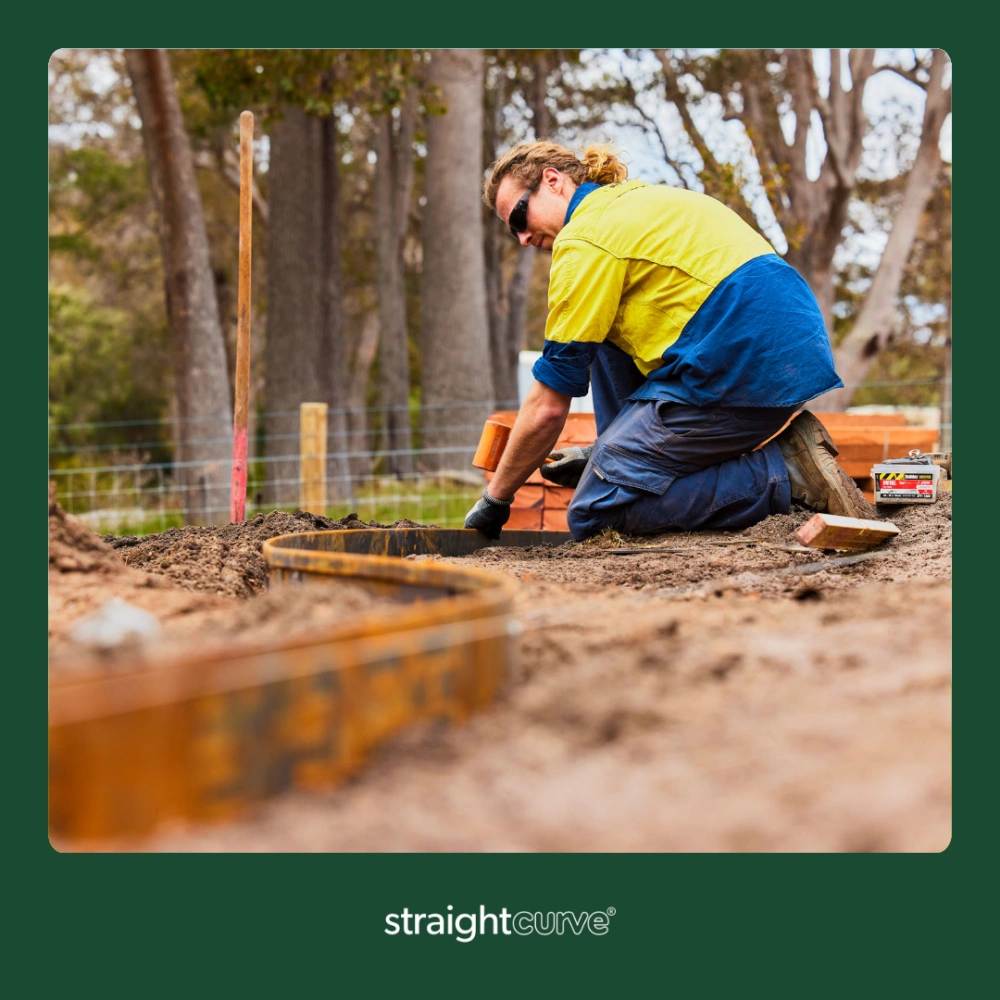
Straightcurve Flex Garden Edging

Additional Resources:
The Straightcurve range is worth considering if you’re chasing a high-quality, modular steel garden edging system that’s extremely customisable and DIY user-friendly.
Use these links to decide if our products could be what you’re searching for:
- Download Our Product Catalogue – Download the pdf and skip to the Raised Garden Bed section.
- Check Out Our Image Gallery – Here you’ll find examples of gardens created using our products.
- Introduction Video – Watch this video to see which product style might work for your project.
- View Installation Videos – Here you’ll discover how easy it is to build raised garden beds yourself.
- Find Your Nearest Dealers – Find stockist locations and contact details on our “Where To Buy” map.
- Request Pricelist & Brochure – Submit to receive a brochure, pricelist, and stockist’s details by email.
- Essential Guide to Garden Edging – Our comprehensive raised garden bed article with project images.
Latest Posts
-
 Corten Steel Edging: A Quick Guide to Weathering Steel for Your Garden
15 March 2026
Corten Steel Edging: A Quick Guide to Weathering Steel for Your Garden
15 March 2026
-
Garden Bed Edging Ideas: What Works, What Lasts, and What’s Worth
15 March 2026
-
Celebrating 10 years of Straightcurve at MIFGS
9 June 2025
-
Garden Edging Ideas: A Guide to Better Garden Design
25 February 2025
-
26 Modern Australian Front Yard Ideas to Transform Your Space
31 January 2025