- 01 What is garden edging and why does it matter?
- 02 The best materials for garden edging in the UK
- 03 UK climate and weathering steel
- 04 DIY garden edging: what you need to know
- 05 Flexible vs rigid: which profile?
- 06 When to hire a professional landscaper
- 07 Common garden edging mistakes and how to avoid them
- 08 Common questions about garden edging UK
What is garden edging and why does it matter?
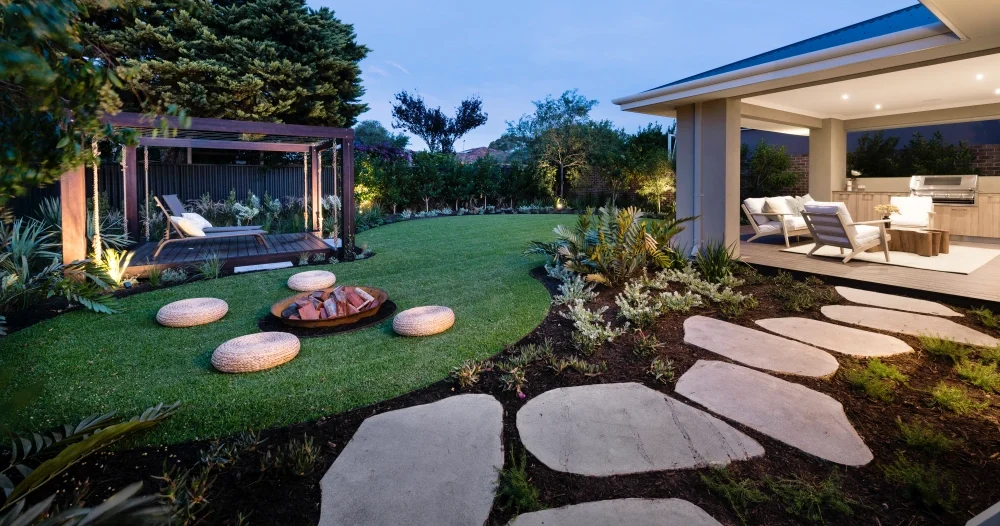
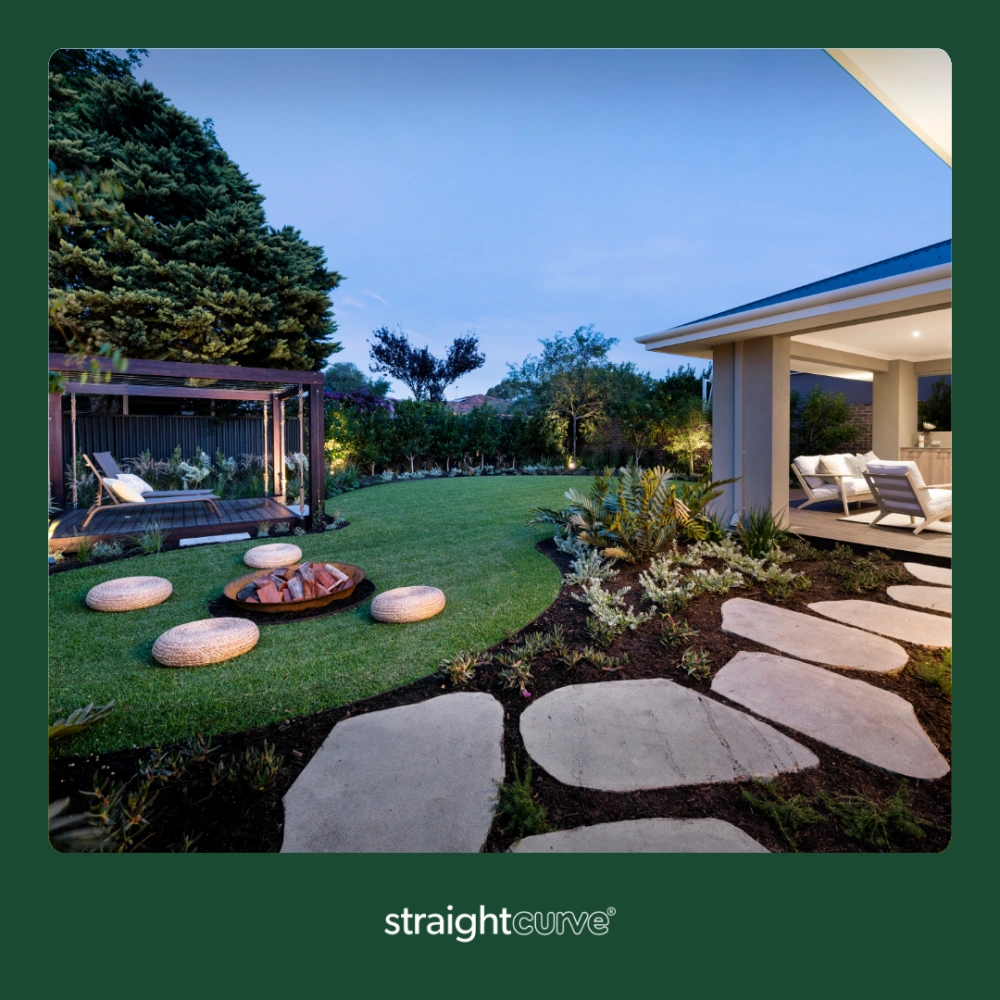
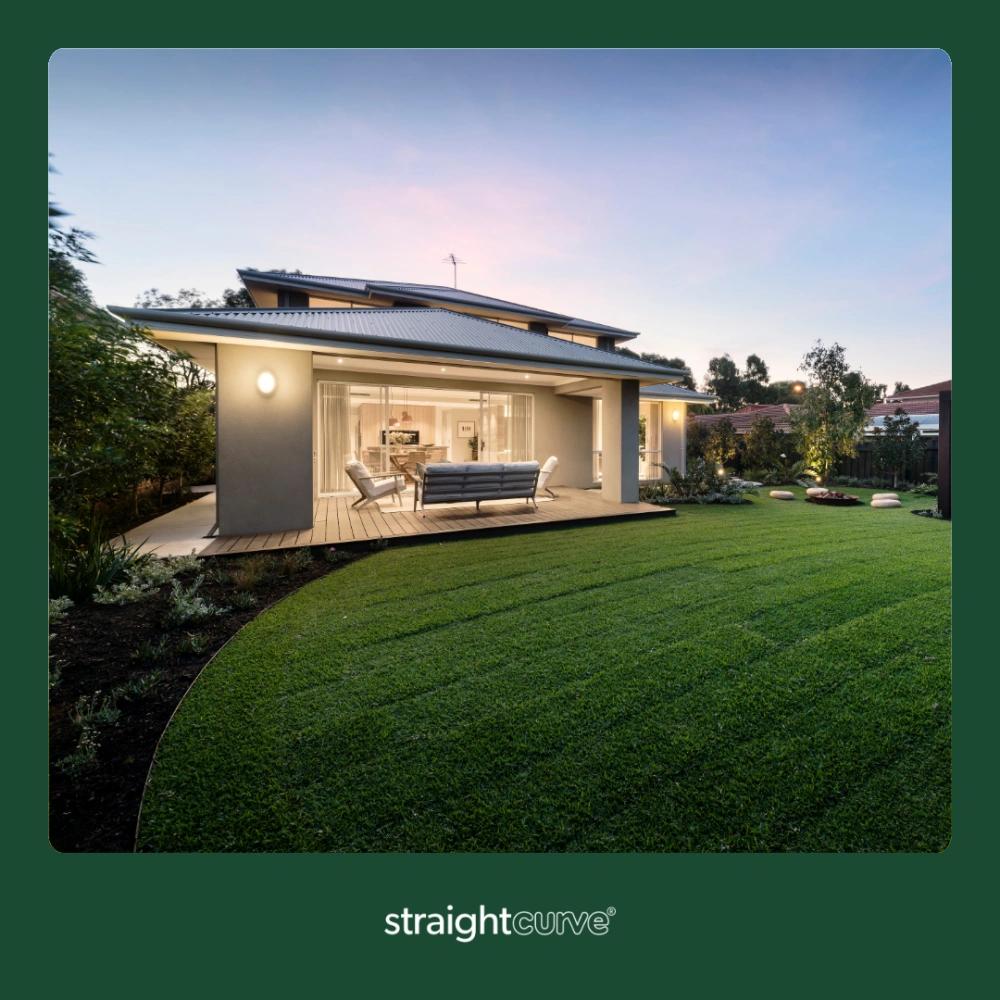
Garden edging creates a defined boundary between your lawn and the rest of your garden, flower beds, pathways, patios, gravel areas. Done well, it transforms an ordinary garden into something that looks considered and cared-for. Done badly, or left out altogether, even the most planted-up garden can look unfinished.
Whether you’re a homeowner improving kerb appeal or taking on a larger landscaping project, the material you choose and how it’s installed will shape how your garden looks and how much maintenance it needs for years to come.
The short answer to the DIY vs professional question: steel and corten garden edging is one of the most DIY-friendly options available, flexible profiles can be shaped and secured without specialist tools. The cases where you genuinely need a professional are concrete, brick, and stone. More on all of this below.
Quick Summary
This guide covers the main garden edging materials available in the UK, walks through DIY installation for steel edging step by step, and sets out honestly when it’s worth hiring a landscaper instead. Weathering steel (also sold as corten) and galvanised steel are the most durable long-term choices for UK gardens, both are well-suited to the UK’s wet climate, and both can be installed by a competent DIYer in a day.
The best materials for garden edging in the UK
With several materials on the market, the right choice comes down to three things: how you want it to look, how long you want it to last, and whether you’re comfortable installing it yourself.
Timber is affordable, natural-looking, and straightforward to handle. Even good hardwoods rot in ground contact within 10–20 years, and in the damp UK climate that timeline can be shorter. It’s a solid starting point but expect eventual replacement.
Concrete gives you a permanent mowing strip and works well for formal straight lines. The catch is that it cracks, particularly on clay soils, which are common across much of the UK. Once it’s in, it’s very difficult to change. Professional installation usually delivers the best results.
Brick and stone look excellent and last a long time, but they’re heavy, labour-intensive, and need a proper footing to stay level. These are generally better left to experienced hands.
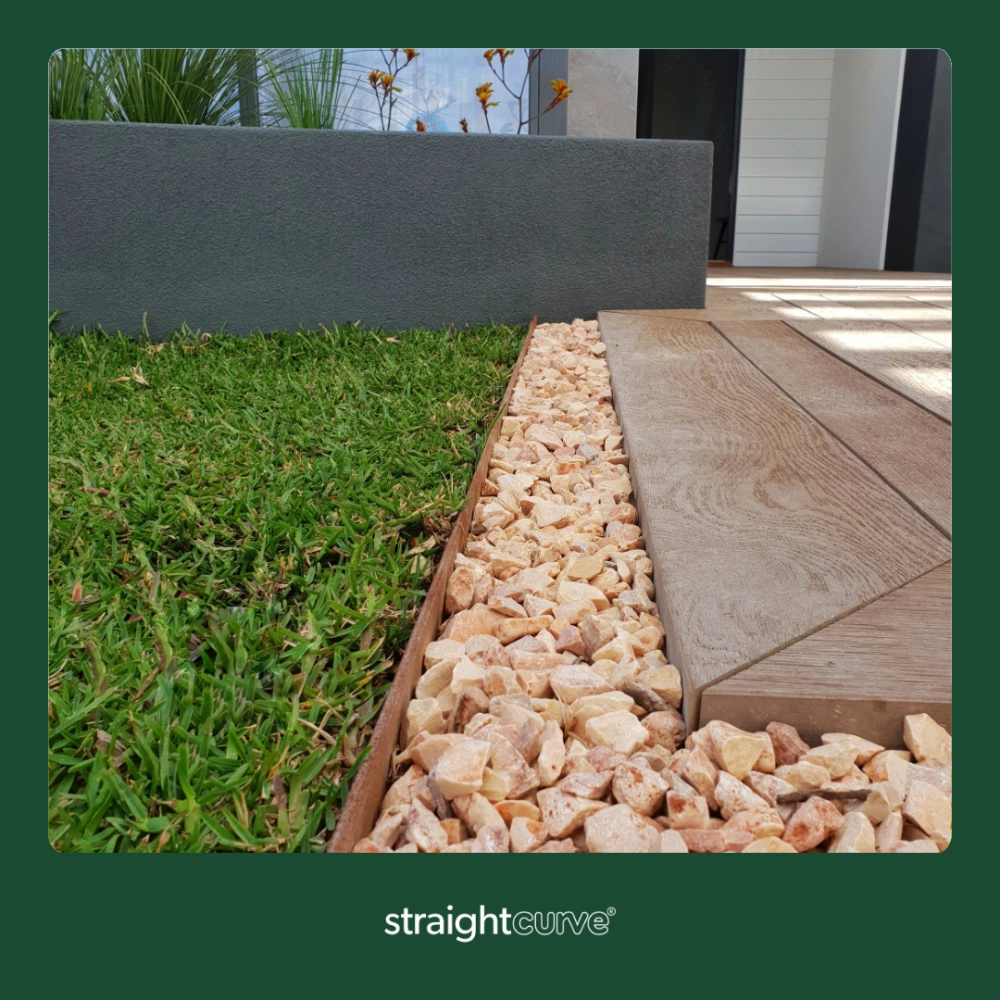
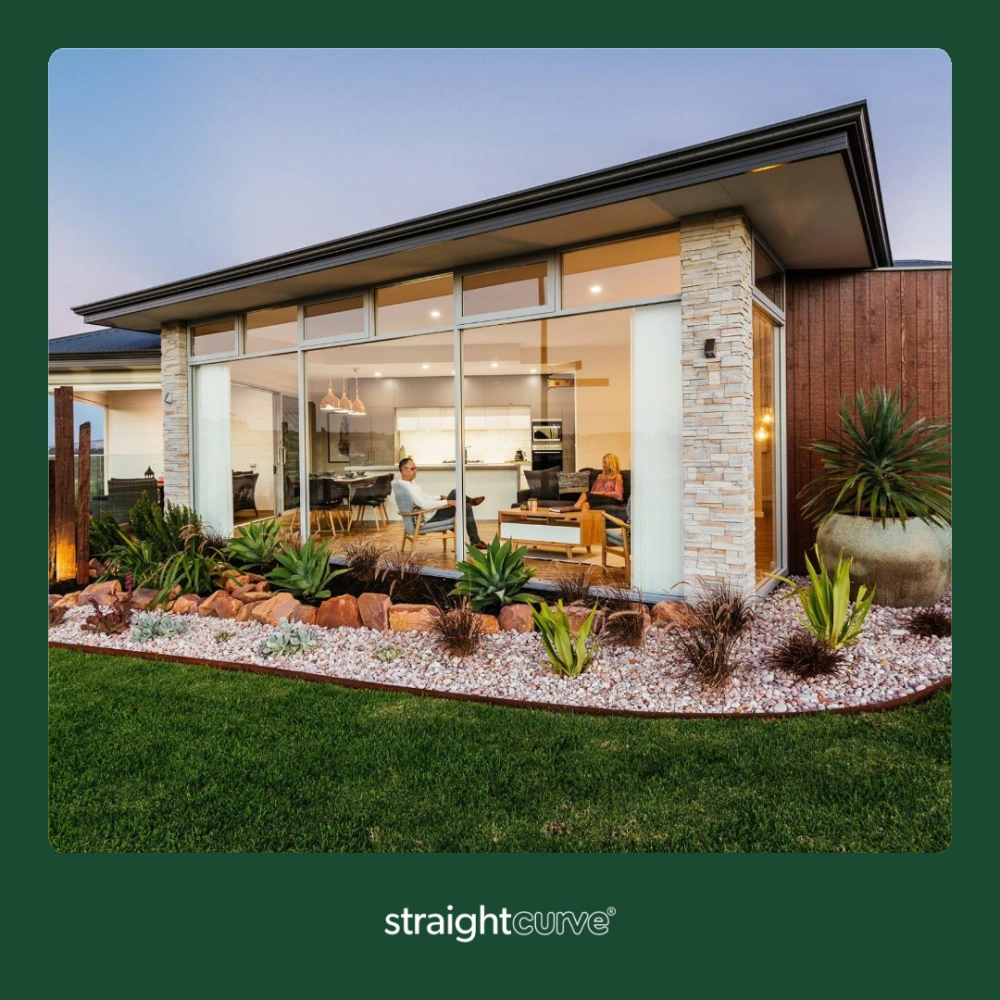
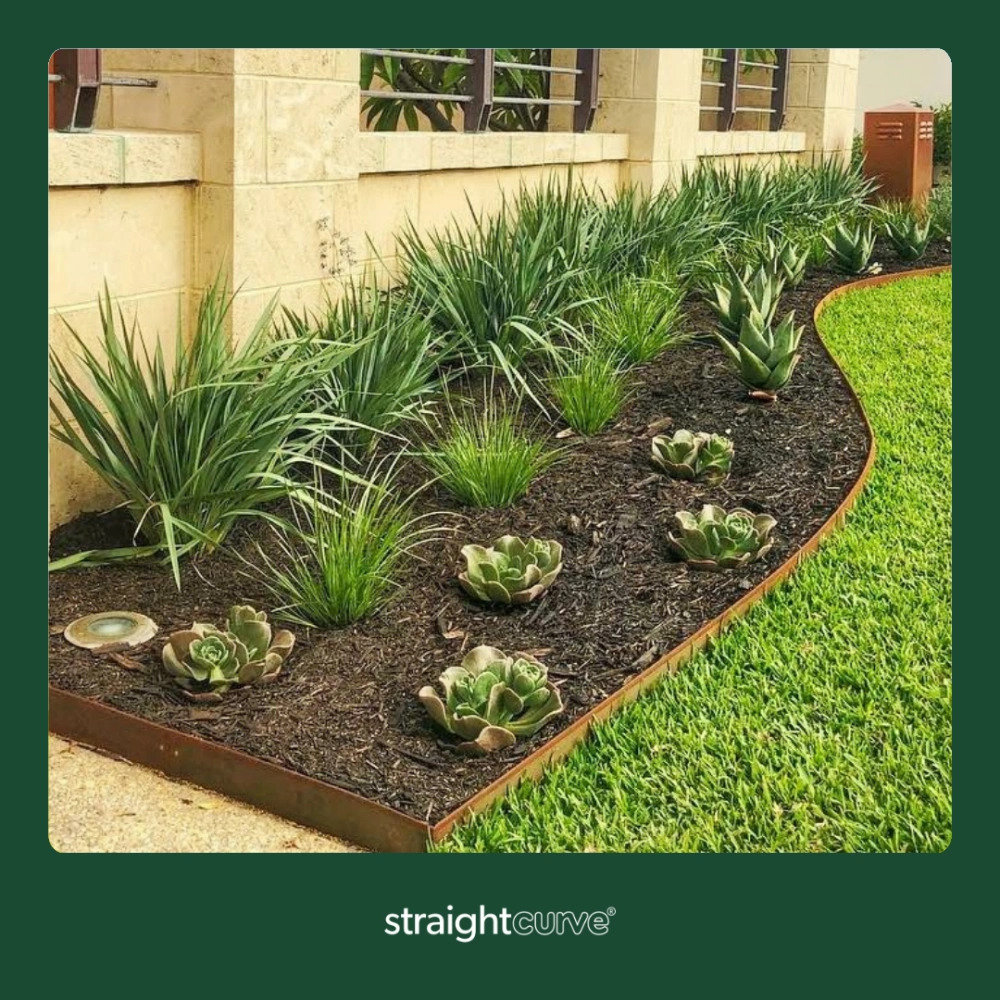
Weathering steel (also known as corten) is where things get genuinely interesting. Corten steel develops a natural rust patina that stabilises and protects the steel over time, no painting, no coatings, nothing to maintain. The warm amber-brown tone deepens and settles over the first couple of years. Modern flexible profiles make it easy to shape flowing curves on-site without cutting. It costs more upfront than timber or plastic, but it’s a set-and-forget investment built for UK conditions.
A note on rust run-off: during the first 6–12 months while the patina is forming, some run-off onto light surfaces (pale paving, concrete) is normal. Plan for this during installation.
Galvanised steel offers similar structural strength with a cleaner, more contemporary finish. The zinc coating handles the UK’s wet winters well. If your garden is within approximately 2km of the coast, where salt air is persistent, galvanised steel is the recommended choice over weathering steel, the salt air can interfere with stable patina formation. One important point: the zinc coating can be scratched during installation, which affects long-term performance. Any scratches should be touched up with cold galvanising compound before backfilling.
The UK’s pattern of wet winters and drier summers is actually well-suited to weathering steel, the wet-dry cycling the steel needs to build its patina happens naturally in most UK gardens.
As a general rule: think about cost per year of service rather than just the upfront price. Steel edging that lasts for many years without maintenance works out considerably cheaper than timber replaced every decade.
Pro Tip
UK climate and weathering steel
The UK’s temperate maritime climate (cool, wet winters and milder summers) is actually ideal for weathering steel patina development. The natural wet-dry cycle does the work for you. In most inland UK garden conditions, weathering steel is the recommended first choice. Galvanised steel is the better pick within approximately 2km of the coast.
DIY garden edging: what you need to know
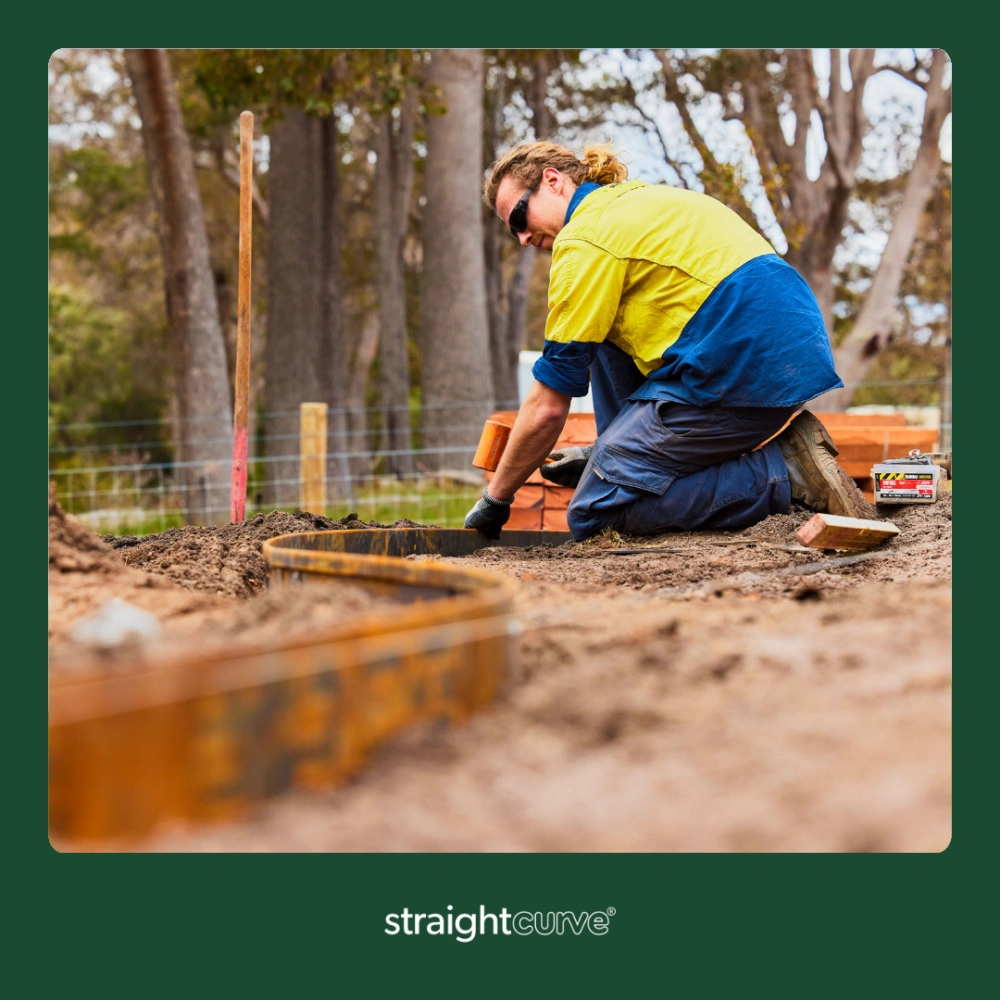
Steel garden edging (both weathering steel and galvanised) is designed with DIY installation in mind. The Straightcurve system uses a connector plate approach: panels click together without tools, and flexible profiles can be shaped on-site to follow curves, tree rings, or organic borders. The same installation approach applies to steel lawn edging, which uses identical panel connections and fixing pegs to create clean, defined lawn boundaries.
What you’ll need:
- Spade or half-moon edging tool
- Measuring tape
- String line and stakes
- Your chosen edging panels
- Mallet
- Gloves
Step-by-step: how to install steel garden edging:
- Plan and mark out: use string and stakes to outline your edging line. For curves, use a garden hose to visualise the shape before committing.
- Dig a shallow trench: depth depends on your edging profile. For standard 100mm edging, a trench of around 50–60mm depth is typical, leaving the top portion proud of the ground.
- Install the panels: for Straightcurve Flex profiles, shape the lengths as you go. Click panels together using the connector plate system, no tools required. For Zero-Flex or Rigid profiles, ensure alignment before driving stakes.
- Secure and backfill: use a mallet to drive any anchor stakes, then backfill the trench with soil and firm down. Check the top line is consistent before finishing.
Total time for a typical front garden border: 2–4 hours. Larger projects may take a full day.

Pro Tip
Flexible vs rigid: which profile?
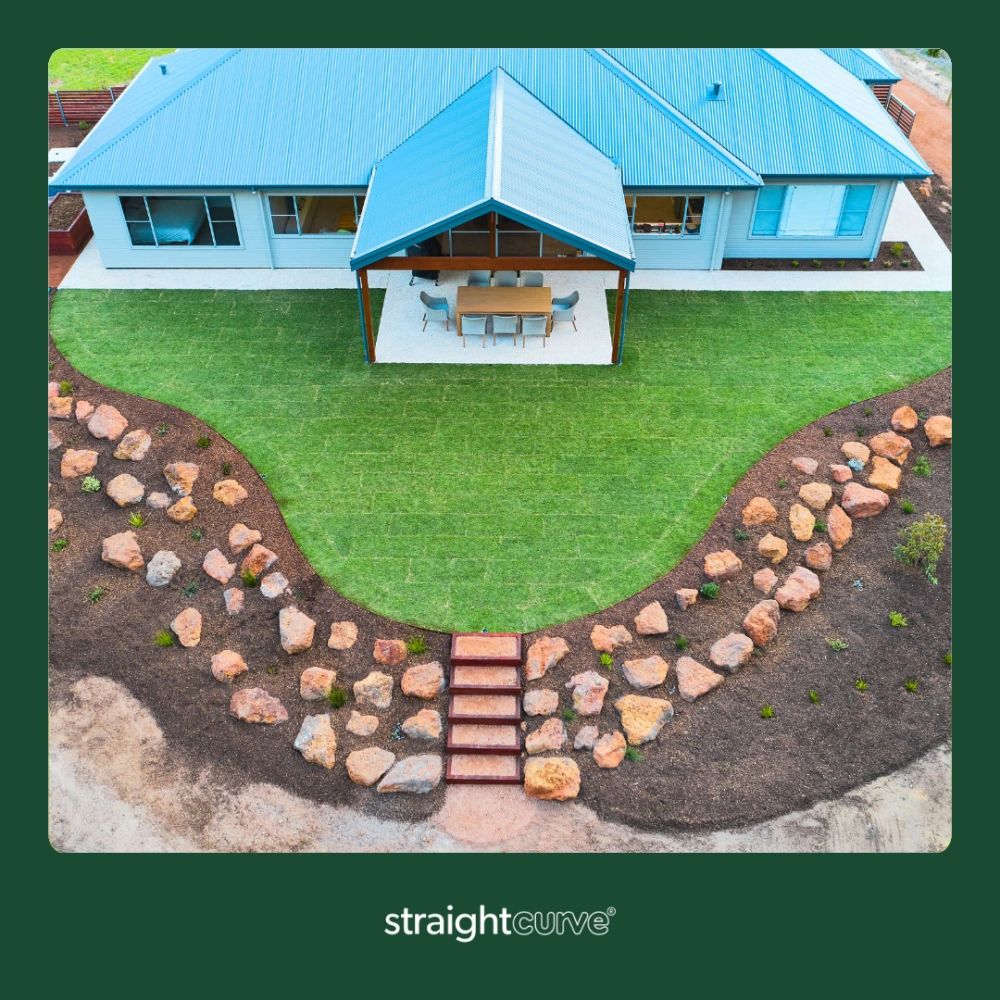
Use Flex profiles for curves, tree rings, and any organic shape. Use Zero-Flex or Rigid profiles for clean straight lines, driveways, paths, and formal borders. The connector plate system is the same across both, so panels from each range connect to each other if your project transitions from straight to curved.
When to hire a professional landscaper
Steel garden edging is one of the most DIY-accessible landscaping materials available. There are situations where professional installation is worth the investment.
Large-scale or complex projects: if you’re edging an entire garden in one go, incorporating multiple levels, or combining edging with retaining terraces, a professional landscaper will work faster and manage the scope more confidently. Professionals also have an eye for grade and fall that takes experience to develop.
Concrete, brick, and stone edging: these materials require groundworks, footings, and often groundwork plant. If your design calls for them, use a professional. Getting it wrong is expensive to fix.
Time vs cost: if you value your weekend more than the cost of installation, that’s a legitimate reason to hire out. A competent landscaper will complete a job that would take you a day in a few hours, with a clean finish guaranteed.
What to look for in a professional:
- Check online reviews and ask to see completed projects.
- Confirm they have experience with the edging material you’ve chosen, not all landscapers have worked with steel profiles.
- Ask for a detailed written quote before committing.
If you have a specific product preference (Flex, Rigid, Zero-Flex), raise it upfront. Straightcurve’s Pro account programme means many UK landscapers are already familiar with the range.
Common garden edging mistakes and how to avoid them
- Uneven depth or wandering lines, the most common DIY issue. A string line before you dig costs nothing and prevents a lot of frustration. For curves, shape the panel before fixing rather than trying to force it into position after staking.
- Wrong material for the location, weathering steel in a coastal garden, or untreated timber in a permanently damp bed, will underperform. Match the material to the environment first, aesthetics second.
- Gaps at joins, gaps let weeds through and allow panels to shift over time. The Straightcurve connector plate system is designed to eliminate gaps at panel joints, but make sure each connection is fully engaged before moving to the next section.
- Choosing unsuitable materials because of upfront cost, cheap plastic edging, thin pressed steel, or timber in waterlogged ground all need replacing sooner than a quality steel system. Over five to ten years, the economics favour the better material every time.
Signs of poor professional installation to watch for:
- Misaligned or visibly crooked lines, check before the landscaper leaves site.
- Gaps at joins, raise these immediately; they won’t fix themselves.
- Edging not flush with the intended finished ground level, fixing this after the fact means digging out and re-setting.
If you’re planning a garden edging project and want to compare options, you can request a Straightcurve price list directly, or explore the garden edging range online. For a comprehensive overview of all edging options and how they compare on longevity, installation, and cost, the essential guide to garden edging covers every key decision point.
Common questions about garden edging UK
What is the easiest garden edging to install yourself?
Steel garden edging (specifically flexible profiles like Straightcurve Flex) is one of the easiest options for DIY installation in the UK. Panels connect using a connector plate system that requires no tools, and the flexible profile can be shaped on-site to follow curves and organic borders. You’ll need a spade, a mallet, and a string line. Most front garden projects can be completed in a few hours.
Should I use steel or timber for garden edging in the UK?
For long-term performance in UK gardens, steel is the stronger choice. Timber is affordable and works well for shorter-term projects, but even hardwood rots in ground contact over time, particularly in the UK’s wet winters. Weathering steel (corten) and galvanised steel both handle UK conditions well, require virtually no maintenance, and offer a much better return over their full lifespan. If you’re gardening on a budget and comfortable replacing edging in a decade or so, timber is a reasonable starting point.
What is weathering steel (corten) and is it suitable for UK gardens?
Weathering steel (often referred to by the trade name Corten) is a steel alloy that forms a stable protective patina when exposed to the natural wet-dry cycle of the atmosphere. Rather than rusting through, the surface oxidises in a controlled way and the rust layer becomes protective. The UK’s temperate maritime climate is well-suited to this process. The patina develops over the first 12–24 months and settles to a warm amber-brown tone. For gardens within approximately 2km of the coast, weathering steel benefits from additional care as persistent salt air can disrupt stable patina formation. Our Longevity Guide and Product Care Guide cover the specific steps that make the most difference. For those who prefer a lower-maintenance option in coastal locations, galvanised steel is a practical alternative.
Can I install garden edging on a slope or uneven ground?
Yes, flexible steel profiles handle uneven and sloping ground well. Straightcurve Flex can follow contours that would be impossible with rigid materials like concrete or brick. For steeper slopes, plan your installation in shorter runs, stepping the edging to follow the grade rather than trying to bridge level changes in a single panel. If the slope is significant and you’re also trying to retain soil, consider whether you need a raised bed or retaining terrace rather than flat edging.
How long does steel garden edging last?
Lifespan depends significantly on the installation environment. In favourable conditions (well-drained, inland gardens away from coastal salt) weathering steel garden edging is built for long-term structural performance, well beyond a decade with proper installation and care. Galvanised steel performs similarly, with the zinc coating providing additional protection. The main factors that shorten lifespan are persistent waterlogging, proximity to the coast, and direct contact with acidic organic materials like compost. Following the installation guidance and referring to the Straightcurve Longevity Guide and Product Care Guide will help you get the most from your edging.
How do I stop weeds coming through garden edging?
Edging limits lateral weed spread but won’t stop weeds that seed from above. The most effective approach is combining steel edging (which creates a firm physical barrier) with a weed-suppressing membrane laid under your mulch or gravel. Make sure all panel joints are fully connected with no gaps, as gaps are the most common entry point for creeping grass and weeds. Regular edge maintenance (trimming back any grass that bridges over the top of the edging) takes minutes and keeps the boundary clean.