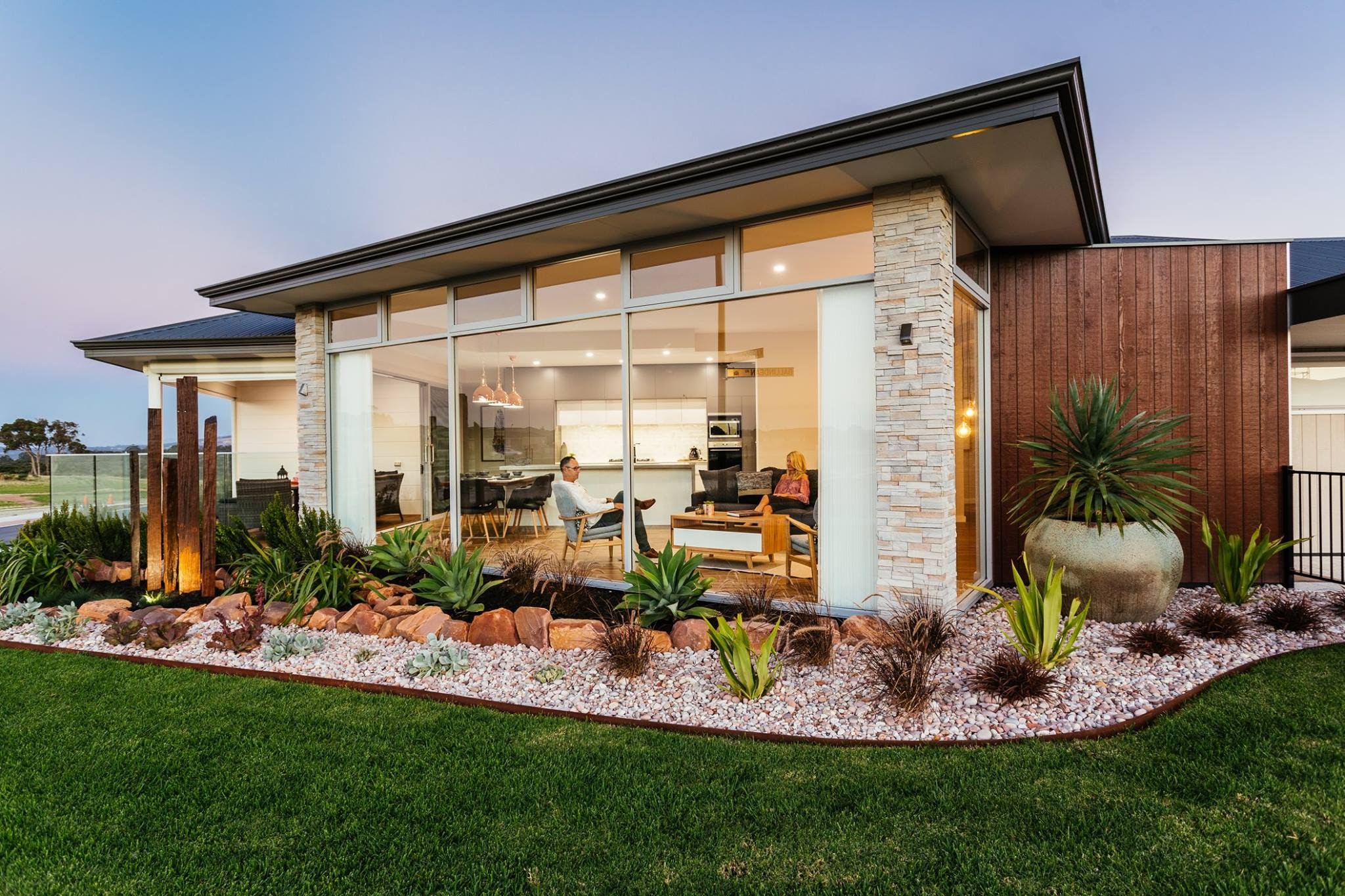
- 01 What Is Garden Edging?
- 02 Why Use Garden Edging? 7 Reasons It Transforms Your Garden
- 03 Potential Downsides to Garden Edging (and How to Avoid Them)
- 04 What Is the Best Material for Garden Edging?
- 05 Match your material to your environment
- 06 Corten, Galvanised, or Mild Steel: Which Metal Garden Edging Lasts Longest?
- 07 Weathering steel in the UK
- 08 How to Choose the Right Steel Garden Edging: 9 Things to Check
- 09 What to Consider Before Buying and Installing Garden Edging
- 010 How to Install Steel Garden Edging
- 11 Is All Steel Garden Edging the Same?
- 12 How to Pick Your Perfect Option: A Buying Checklist
- 13 Why People Choose Straightcurve Steel Garden Edging
- 14 The Impact of Steel Garden Edging on Kerb Appeal
- 15 Next Steps
- 16 Common Questions About Garden Edging
What Is Garden Edging?
Quality garden edging helps you create and maintain beautifully designed, well-kept gardens that are a pleasure to look at and spend time in. Grass will always try to grow beyond any lawn borders you dig, unless there is something to stop it. Mulch and soil are prone to blowing over lawn and pathway edges unless there is a barrier to prevent it. Gardens that use quality garden edging look neater for longer and take less effort to maintain than those that do not.
Whether you are a DIY gardener tackling your first border project or a professional landscaper working to a tight brief, the right garden edging, particularly steel garden edging using corten (weathering steel) or galvanised steel, makes a measurable difference to how a finished garden looks and how easy it is to maintain.
This guide covers everything you need to choose confidently: materials, metal types including corten steel edging and galvanised steel, what to look for in a product, how to install it, and what separates a well-designed product from the rest.
“Garden edging is the name given to any landscaping product or material designed to be installed in the ground to shape, define, and maintain the borders of your lawn, garden beds, or pathways.”
Garden edging is normally inserted into the ground with the top edge flush with (or slightly proud of) the adjacent finishing height (grass, gravel, or mulch). Its value lies in its ability to define and maintain neat borders in your garden rather than being a feature in its own right. It is the hidden hero of the garden: ensuring shape and structure are clearly defined and easily maintained, and boosting the kerb appeal of your home in the process.
Gardens can be edged with various materials: rolled plastic, timber, wooden sleepers, concrete kerbing, bricks, pavers, or metal edging. Each comes with pros and cons related to usability, durability, fitness for purpose, and the finished look it creates.
Quick Summary
Garden edging defines the borders of your lawn, garden beds, and pathways, making your garden look sharper and easier to maintain. Steel garden edging (particularly corten (weathering steel) and galvanised steel) offers the best combination of longevity, aesthetics, and low maintenance. This guide covers every material option, the key things to look for when buying, and how to install steel edging step by step.
Why Use Garden Edging? 7 Reasons It Transforms Your Garden
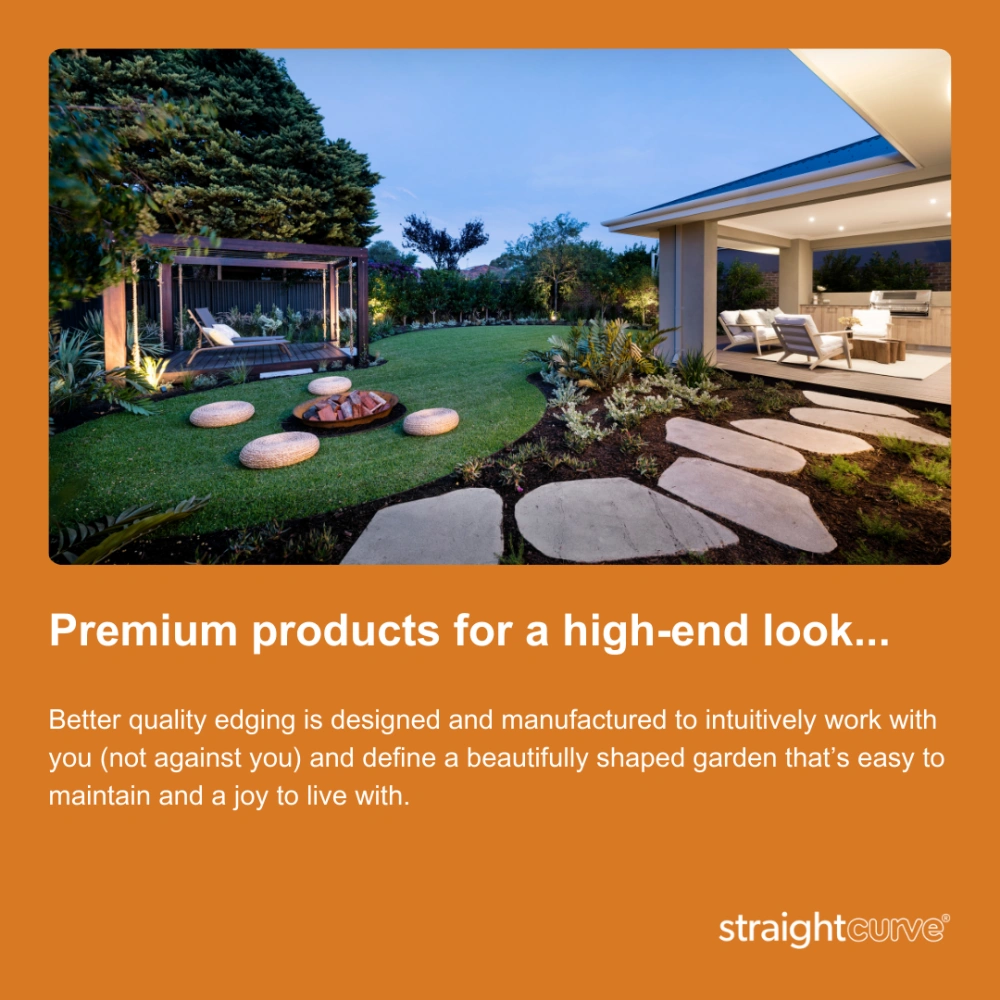
Garden edging is an important tool for any garden or landscaping project because it defines the shape and form of a space. On a practical level it separates different elements whilst providing the structure for curves, angles, and straight lines. It controls grass runners, secures mulch and soil, and protects the roots of plants and trees. Here are seven reasons gardeners and landscapers rely on it.
- Establishing Structure. In a garden being overhauled or landscaped from scratch, edging is often one of the first elements installed on bare earth, establishing the boundaries of different materials or zones before anything else goes in. Smart gardeners and landscapers set edging in place first, then lay lawn up to the border, or backfill mulch up to the boundary lines it creates.
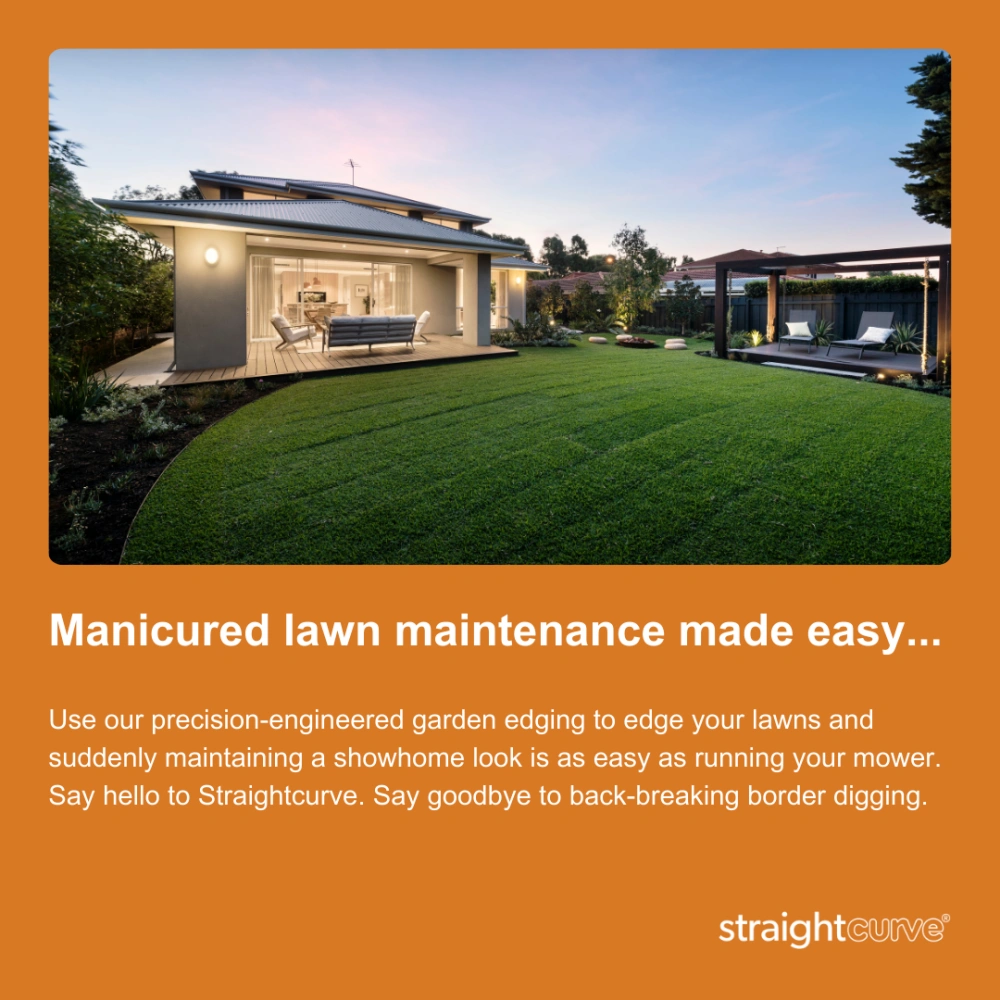
- Maintaining Sharp Lines. Once installed, the primary job of garden edging is to stay in place, hold the line, and keep materials separated. The best edging is designed to remain sturdy for years after installation. In the case of metal garden edging, a well-made product acts as a guide for your mower and helps maintain crisp borders, while giving you full flexibility to create flowing curves, straight lines, or a mixture of both.
- Boosting Kerb Appeal. The most appealing homes in any street are those with well-maintained, immaculately presented gardens. Garden edging is the perfect companion to a well-groomed lawn or a weed-free flower bed: it accentuates the precision of your garden borders and makes the whole space look intentional and cared for.
- Creating Peace of Mind. Without sturdy border edging, your garden will quickly soften as grass pushes into flower beds or mulch blows over paths. Install a good steel lawn edge and border creep is all but eradicated. Your garden looks better for longer with less effort, one less thing to think about.
- Preserving Soil Quality. Garden edging promotes the health and growth of plants in your beds by helping prevent soil erosion, which dilutes soil quality and nutrient density. It also acts as a barrier to grass runners and weeds that would otherwise compete for soil nutrients.
- Reducing Maintenance Time and Cost. Whether you mow your own lawn or pay someone to do it, installing quality metal garden edging significantly reduces the time and cost of keeping your lawn looking sharp. Good metal edging guides a lawn mower and removes the need to trim borders every few weeks. The height profile and product choices for steel lawn edging depend on the shape of your lawn boundaries and how much of the product will be visible above ground.
- Introducing a Unifying Element. Thoughtful garden designs split a space into zones, outdoor cooking, entertaining, growing food. In a multipurpose garden, edging both separates the spaces and acts as a subtle unifying element that visually links every area together.
Potential Downsides to Garden Edging (and How to Avoid Them)
Here are the downsides and things to be aware of when considering garden edging, and the straightforward ways to avoid each one.
- Extra Upfront Cost. Adding garden edging to your materials list costs more than not using it. It is a false economy to leave it off: quality edging significantly reduces the time and money spent on ongoing maintenance for years to come. The smarter calculation is lifetime cost, not purchase price.
- Extra Time to Install. It takes time to prepare the ground and install edging, and that time varies considerably between products. This is time well spent, it will save you far more in reduced maintenance. Choosing a product designed for straightforward installation makes a meaningful difference to how long the job takes.
- The Wrong Edging Can Make Your Garden Look Worse. Not all garden edging is made the same, something most people do not fully appreciate until after they have bought and installed it. You can invest significantly in your landscaping project, only to undermine the overall aesthetic with badly installed or poor-performing border edging that makes everything look unfinished. Choose the best product your budget allows: you will thank yourself later.
- Poor Edging Makes Maintenance Harder, Not Easier. If you choose plastic edging or any product not designed to stay firmly fixed, there is a real chance it will shunt, twist, or move out of alignment as roots push into it, your mower nudges it, or feet kick it. If you want your garden to look sharp for years, look specifically for an edging product designed to stay true.
- It Will Eventually Need Replacing. All garden edging materials will need replacing eventually. But the lifespan varies enormously between materials and brands, from a year or two for low-grade plastic, to a decade or more for quality steel. Choose with longevity in mind.
What Is the Best Material for Garden Edging?
You can create garden borders and landscape edging with a wide range of materials. Here are the most popular options with their pros and cons.
- Rolled plastic. Inexpensive and available in most garden centres. Lightweight and easy to cut to length. However, plastic cracks, fades, and warps with UV exposure; most products need replacing within two to three years.
- Timber boards. Natural appearance that blends with planted borders. Affordable and easy to cut. Ground contact causes rot; most timber edging needs replacing within three to seven years, and treated timber may contain preservatives that affect soil chemistry.
- Wooden sleepers. Chunky, structural appearance suited to raised beds and informal borders. Long-lasting if properly treated. Heavy and difficult to manoeuvre; subject to splitting and decay over time even with treatment.
- Concrete kerbing. Highly durable and holds its position well. Creates a solid, formal finish. Labour-intensive to install, usually requires groundwork and professional help, and is difficult to reposition once set.
- Brick. Timeless, formal character suited to traditional gardens. Extremely durable when well laid. Expensive, usually requires professional installation, and impractical for curved borders or large areas.
- Pavers. Versatile and available in a wide range of sizes and finishes. Durable when laid correctly. Require groundwork and careful installation; can shift over time in frost-prone or waterlogged ground.
- Metal. The standout performer for durability, versatility, and aesthetics. Available in aluminium, various steel types, and powder-coated finishes, in heights suited to in-ground edging or raised beds. The right metal product, correctly chosen for your environment, will outperform every other option over a 10-year horizon. (See below for a full comparison of metal types.)
On metal garden edging: Metal is the standout performer for durability, versatility, and aesthetics. It is available in aluminium, various types of steel, and powder-coated finishes, and comes in heights suitable for in-ground edging or raised beds. The right metal product, correctly chosen for your environment, will outperform every other option over a 10-year horizon.
Pro Tip
Match your material to your environment
For most UK inland gardens, corten (weathering steel) develops a beautiful stable patina and requires minimal ongoing care. In coastal areas within approximately 2km of the coast, or gardens with high salt air exposure, weathering steel benefits from additional care, galvanised steel is a practical alternative for those locations. Our Longevity Guide and Product Care Guide cover the specific care steps for coastal installations. If you are unsure which applies to your garden, confirm with the team before specifying.
Corten, Galvanised, or Mild Steel: Which Metal Garden Edging Lasts Longest?
Not all metals are suitable for outdoor use. Here is how the main options compare for garden edging.
Aluminium
Creates a contemporary look and is lightweight and relatively easy to install. However, aluminium is a soft metal that bends and kinks, not ideal in high-traffic areas such as driveways or lawn borders that will be mowed regularly.
Mild Steel
Looks acceptable in the short term and is cheaper than galvanised or weathering steel. However, mild steel rusts, flakes, and fails with exposure to the elements. Avoid it if you do not want to replace your edging every few years.
Galvanised Steel
Extremely hardwearing and the recommended choice for gardens in coastal areas with high atmospheric salt content, or in exposed, high-rainfall locations. The zinc coating provides strong corrosion protection, including in buried conditions. Creates a clean, contemporary look that pairs well with modern garden furniture.
Weathering Steel (Corten)
Weathering steel, also known as corten steel, is a unique alloy more durable than mild steel. When exposed to the elements, it develops a rust-like patina that stabilises and protects the steel beneath. The natural weathering process creates a warm, rustic finish that blends beautifully with garden foliage and planted borders. Importantly, corten is not “rust resistant”, it manages rust through controlled patina formation.
The UK’s temperate maritime climate, with regular wet-dry cycling through autumn and spring, is well-suited to weathering steel. The alternating rainfall and dry spells create the ideal conditions for the protective oxide layer to develop and stabilise. For inland gardens, weathering steel edging is an excellent long-term choice.
Note: in coastal locations within approximately 2km of the coast, where salt air can affect patina formation, weathering steel requires more careful maintenance. Galvanised steel is a practical alternative for those specific conditions. See our Product Care and Longevity Guides for detail.
Powder-Coated Steel
Powder-coated steel offers the widest colour range of any option. With a quality powder coat, it lasts well. However, not all powder coats are equal, cheaper coats can crack or flake, which exposes the steel beneath to corrosion. The sealed surface also means the underlying metal never develops a natural patina.
Pro Tip
Weathering steel in the UK
Weathering steel edging has been widely used in Australian gardens for over a decade. UK adoption is growing quickly, and the UK climate is genuinely well-suited to it. If you are drawn to the warm, earthy look of weathering steel but are unsure whether it suits your garden’s conditions, the material guide linked above answers the most common questions.
How to Choose the Right Steel Garden Edging: 9 Things to Check
Some garden edging products take a one-size-fits-all approach, marketed as equally suitable for straight edges and curving borders. More user-friendly ranges offer products optimised for specific applications: curves, straight lines, or a mix of both. Here is what to look for.
- Designed for smooth curves. If you want flowing curved borders, look for edging optimised for controlled flexibility. For steel garden edging, look for evenly spaced notches along the inside of the top edge, these allow you to create even curves without kinking.
- Designed for a mix of straight and gentle curves. If you want edges that hold a straight line but can also flex into a gentle curve, look for a folded top edge without notches. This promotes rigidity whilst allowing some flex where you need it.
- Designed for straight lines. For a straight border, look for a product specifically optimised for that application, ideally with a double-sided foot for maximum positional stability and an integrated joining system that resists shunting or buckling. These same properties are the starting point for steel driveway edging, where the boundary between driveway surface and border must hold its line under daily loading from vehicles.
- Designed for near-invisible joins. If you want your border edging to hold a line without drawing attention to itself, look carefully at how the product joins. Some products have obvious or clumsy sleeve connectors; a well-designed joining system is practically invisible once installed.
- Designed to match your aesthetic. For a rustic, organic look, weathering steel (corten) garden edging is the natural choice, its earthy patina changes gradually over time and blends well with planted borders. For a contemporary look, galvanised steel is the cleaner option and can be painted with an outdoor paint to match or contrast your boundary fencing.
- Designed to last. The structural integrity of garden edging varies significantly between materials and brands. Measure the suitability of your choice in terms of how long it will hold together, stay in place, and keep your garden looking sharp.
- Designed at the right height. Garden edging is available in different heights, typically 75mm, 100mm, and 150mm. The choice comes down to how much you want on show above ground and how deep you need to go to deal with invasive grasses. Taller edging is also required for raised bed applications.
- Designed to stay in place. Consider how your chosen edging is held in position and whether it is susceptible to shunting, cracking, or buckling over time. This is often where cheaper products fail first.
- Designed for quick, tool-light installation. Look for installation videos that show the process honestly rather than just claiming it is easy. A well-designed product should require only basic household tools and allow you to edge your borders in a few hours.
What to Consider Before Buying and Installing Garden Edging
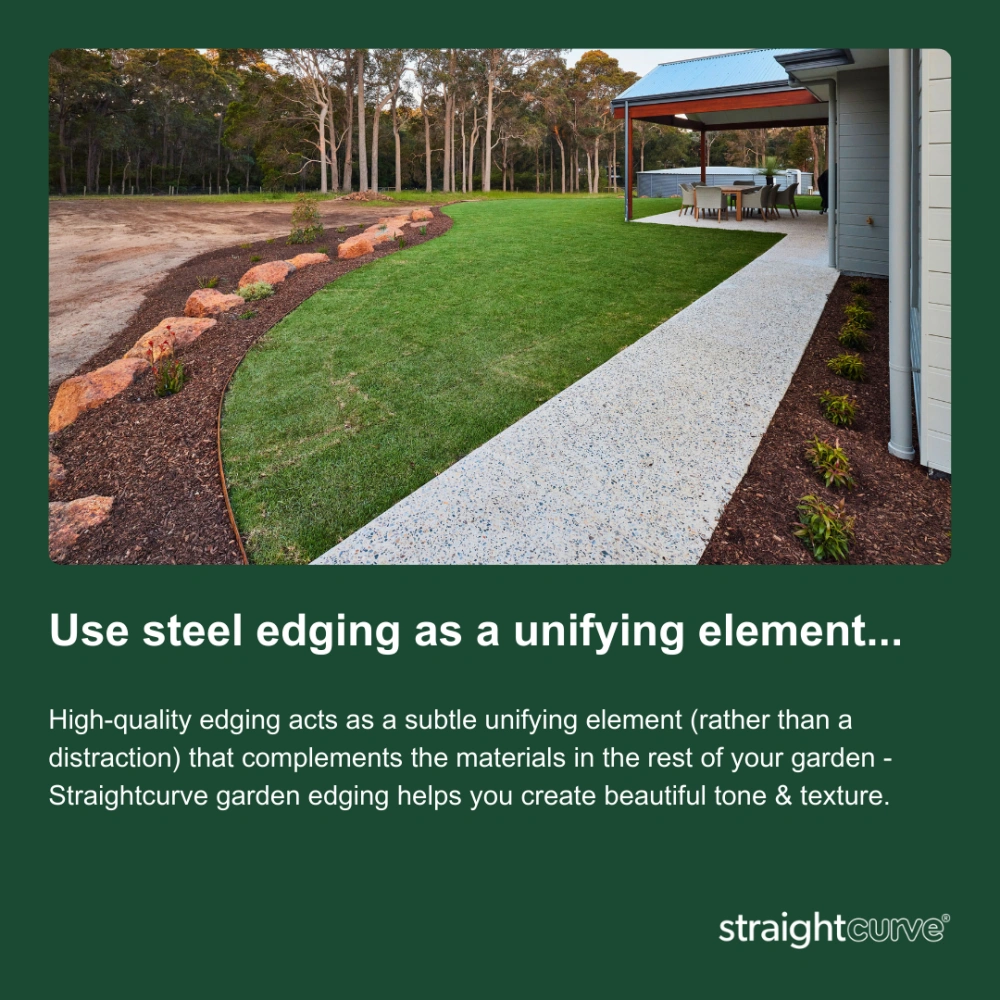
Does it complement your garden scheme? If the overall aesthetic of your garden matters to you, choose edging that acts as a unifying element rather than a distraction. Weathering steel (corten) works well alongside natural colour palettes and planted borders. Galvanised steel suits contemporary designs and pairs well with clean lines and modern outdoor furniture.
How effective will it be? Good quality edging defines the shape of your garden, prevents grass from creeping into beds, and stops mulch scattering over paths. It stays firmly in place and holds your boundaries over time. Poor quality edging does none of these things reliably.
How long do you need it to last? Not all edging is made to last. Plastic edging may crack, warp, or shunt within a year or two. A quality steel equivalent can last a decade or more. Factor this into your decision, the cheapest option up front is rarely the cheapest option over time.
Will children, pets, or frost affect the choice? In UK gardens, frost heave is worth considering for any shallowly installed edging, particularly in exposed or north-facing areas. If children and pets have access, check that the product has a rolled or double-folded top edge rather than a sharp cut edge.
How to Install Steel Garden Edging
Here are three short installation videos showing how straightforward it is to install Straightcurve steel garden edging. Notice the slightly different products for curving borders versus straight edges.
Straightcurve Flex Garden Edging
Straightcurve Rigid Garden Edging
Straightcurve Zero-Flex Garden Edging
Is All Steel Garden Edging the Same?
The short answer is no, and the differences matter more than you might expect.
Most brands say more or less the same thing: high-quality, durable, seamless, easy to install. But the design decisions behind those claims vary considerably. Here are four specific differences worth checking before you buy.
- Fixed spikes versus movable pegs. If you have obstacles in the ground (rocks, roots, irrigation pipes) a product with fixed spikes formed into the base gives you no way to avoid them. A product with movable pegs lets you reposition each stake around any obstruction easily.
- Whether it curves evenly. Steel garden edging that lacks evenly spaced notches along the inside edge can be difficult to curve without kinking. Once a kink is in, the line is compromised and difficult to correct.
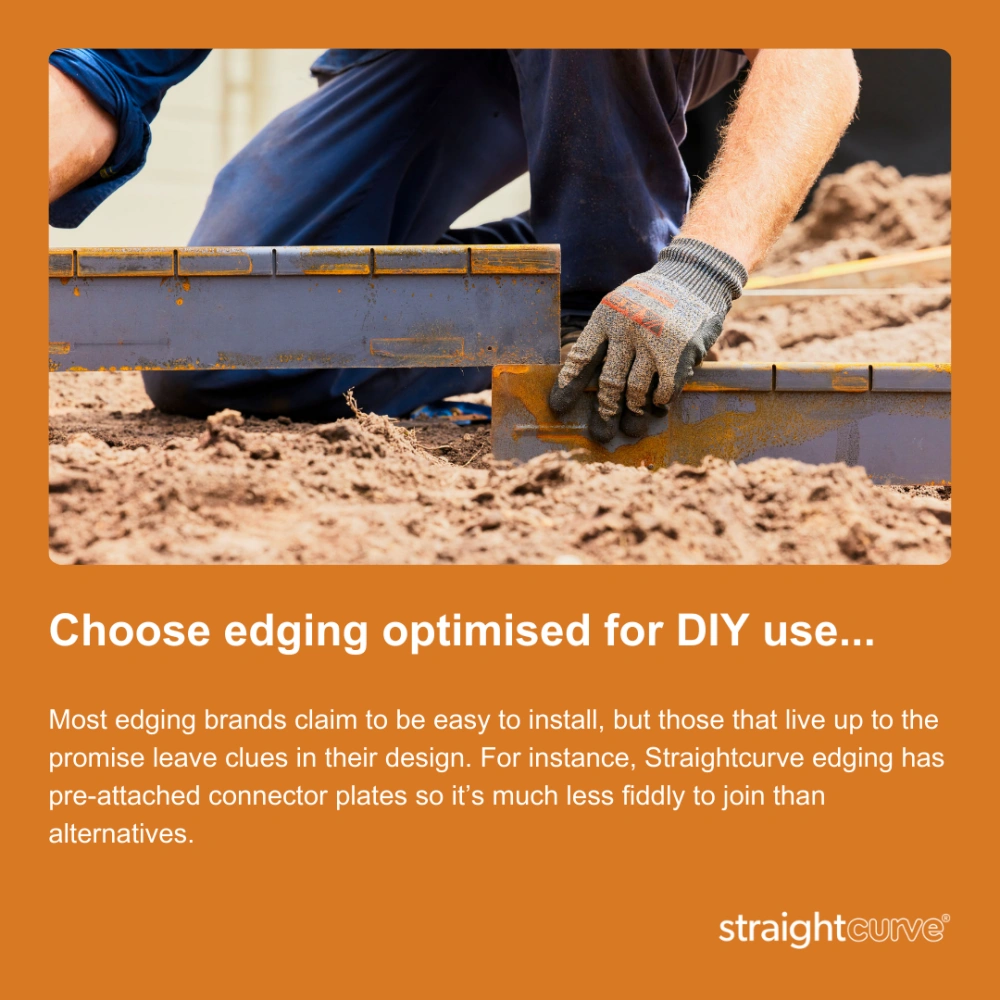
- The joining detail. Sleeve-style connectors and overlapping notches are functional but visible, they interrupt the line of your border in a way that draws the eye. A pre-attached connector plate creates a near-seamless join.
- Sharp top edges. Single-thickness steel edging has a sharp cut top edge, a hazard for bare feet, ungloved hands, and pets. A double-folded top edge is meaningfully safer. Always check the profile before purchasing.
How to Pick Your Perfect Option: A Buying Checklist
There is no universally perfect garden edging, it is about finding the option that works best for your garden, your aesthetic, and your budget. These questions will help you narrow it down quickly.
- Are you chasing a particular look? Weathering steel edging suits organic, rustic, and naturalistic garden styles. Galvanised steel suits contemporary and minimalist designs.
- What materials are you keeping separate? Lawn from beds, gravel from planted borders, or paths from planting, the answer affects the height and rigidity you need.
- Is your garden near the coast or in a high-rainfall area? If so, consider galvanised steel, or check our Product Care and Longevity Guides for care steps that extend weathering steel performance in those conditions.
- Is your garden prone to frost heave or waterlogging? Choose a product with a robust fixing system designed to hold position in challenging ground conditions.
- Will children and pets have access? Prioritise a rolled or double-folded top edge.
- How long do you want it to last? Quality steel garden edging should last 10 years or more. If longevity matters, the upfront investment is straightforwardly justified.
- How visible will the edging be? For prominent borders, the aesthetic of the product matters as much as its function.
- DIY or professional install? Straightcurve is designed to be installed with household tools by a competent DIYer in a day. If you prefer a professional, ask your local landscape supplier to recommend someone.
Why People Choose Straightcurve Steel Garden Edging
If you spend time researching metal garden edging online, you will find most brands say broadly similar things. What actually differentiates a product comes down to the engineering decisions behind it. Here are the ten reasons people consistently choose Straightcurve. See Straightcurve projects for real examples from UK gardens and landscaping projects.
- Extremely High Quality. Straightcurve garden edging is manufactured from galvanised or weathering steel (corten). Both are exceptionally hard-wearing and designed to last 10 years or more. Every product is precision-engineered with a clean, aesthetic profile.
- Quick to Connect. Panels connect via a discreet pre-attached connector plate, creating a near-seamless join with no tools required.
- Aesthetically Pleasing. Weathering steel (corten) develops a warm, rustic patina that changes naturally over time. Galvanised steel offers a clean, contemporary finish. All products have a rolled, double-folded top edge with a safe, smooth profile.
- Easy to Shape by Hand. The Straightcurve Flex range (75mm, 100mm, and 150mm heights) shapes easily by hand for circular or curved garden borders, giving you near-unlimited flexibility in design and installation.
- Purposefully Designed. Every product is pre-drilled and prepared for self-assembly, requiring only basic household tools to install.
- Hard Wearing. The Zero-Flex range is particularly sturdy, designed to hold position without budging, thanks to Straightcurve’s unique stabilising, joining, and fixing systems.
- Adaptable to Onsite Changes. The modular connector plate system means panels can be adjusted during installation to accommodate changes in layout or ground conditions without starting over.
- Simple to Install. Step-by-step installation videos walk you through the process clearly. Most projects can be completed in a few hours.
- Suitable for Most Soil Types. Straightcurve garden edging performs well across most UK soil types and garden conditions. For coastal gardens or highly acidic soils, the galvanised range is recommended.
- Available from UK Stockists. Straightcurve is available through stockists across the UK.
The Impact of Steel Garden Edging on Kerb Appeal
Most gardeners install steel garden edging to keep borders well-defined and make ongoing maintenance quicker and easier. A less commonly considered reason is its impact on kerb appeal and property value, particularly relevant if you are considering selling or letting your property.
Garden edging is not as visually dramatic as a new lawn, a feature tree, or a well-planted border, but it is often the backbone of the entire design. When done well, it is the one element that ties a garden together while keeping everything distinct and separate. And it is one of the simplest, most cost-effective ways to make a garden look genuinely cared for.
Just as a garden designer plans an overhaul by sketching out lines and defining spaces, the installation team delivers that plan using edging to set borders and boundaries. When the edging is wrong, the whole design looks unfinished. When it is right, it is barely visible, and the garden looks exactly as it should.
Next Steps
Decide on the purpose of your edging. Are you shaping garden borders, making maintenance easier, boosting kerb appeal, or all three?
Visit the project gallery. See real examples of Straightcurve in UK gardens to get a sense of what suits your style.
Request a price list. Submit a request online and receive full pricing, product details, and stockist information by email.
Shop online. Browse the full range and order direct.
Find your nearest stockist. Talk to a local stockist about your project and get hands-on with the product range.
If you are a landscape professional, find out about our trade account and the benefits of the Straightcurve Pro programme.
Common Questions About Garden Edging
What is garden edging used for?
Garden edging is installed in the ground to define and maintain the borders of lawns, garden beds, and pathways. It keeps grass from creeping into planted areas, stops mulch and soil from spreading onto paths, and helps your garden hold its shape over time. Well-installed edging also makes routine maintenance (mowing, weeding, edging) significantly faster and easier.
What is the best material for garden edging in the UK?
For most UK gardens, steel garden edging offers the best balance of durability, aesthetics, and low maintenance. Corten steel (weathering steel) is ideal for inland gardens, it develops a stable, attractive patina in the UK’s wet-dry climate. Galvanised steel is recommended for coastal gardens or exposed locations where salt air is a factor. Plastic and timber edging are cheaper upfront but typically need replacing far sooner. Our Longevity Guide and Product Care Guide cover detailed guidance on material selection and care in coastal and challenging conditions.
What is corten steel garden edging?
Corten steel (also called weathering steel) is a steel alloy that develops a controlled rust-like patina when exposed to the elements. Rather than corroding through, the patina forms a stable protective layer that slows further oxidation. The result is a warm, earthy finish that blends naturally with garden planting. Corten steel edging does not need painting or sealing, and performs well in the UK’s temperate climate.
How long does steel garden edging last?
Quality steel garden edging can last 10 years or more with correct installation and basic maintenance. Galvanised steel typically offers the longest lifespan in challenging conditions including coastal or high-moisture environments. Weathering steel (corten) performs well in most inland UK gardens. Cheaper mild steel or plastic alternatives typically need replacing within two to five years. Our Longevity Guide and Product Care Guide cover detailed guidance on installation and care in coastal and challenging conditions.
Can I install steel garden edging myself?
Yes. Steel garden edging from a well-designed range can be installed with basic household tools, typically a rubber mallet and a spade. The key is choosing a product designed for DIY installation: pre-drilled, with a simple connecting system and movable fixing pegs. Installation videos for Straightcurve’s Flex, Rigid, and Zero-Flex ranges show the full process clearly and most projects can be completed in a few hours.
What is the difference between Flex, Rigid, and Zero-Flex garden edging?
These three products cover the three main types of garden border. Flex edging is designed for curves and flowing organic shapes, notches along the inside edge allow smooth, even bending by hand. Rigid edging handles a mix of mostly straight lines with gentle curves. Zero-Flex is engineered specifically for perfectly straight borders, it has a double-sided foot and an integrated joining system that resists shunting or buckling.
Is metal garden edging safe for children and pets?
It depends on the product. Single-thickness cut steel has a sharp top edge that poses a risk to bare feet, ungloved hands, and pets. Straightcurve products have a double-folded rolled top edge that eliminates this hazard. Always check the profile of any metal garden edging before buying, particularly for gardens used by children or animals.